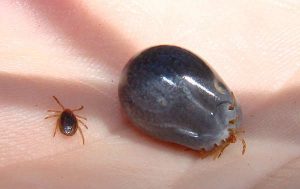
Quick answer: If you suspect your dog is sensitive to a certain type of meat, don’t get a blood test—not because it’s expensive, but because it’s inaccurate. The American College of Veterinary Dermatology (ACVD) does not recommend serum IgE/IgG food allergy testing, because it is a perfectly normal immune response for a healthy dog to produce antibodies to food proteins, giving an extremely high false-positive rate. As of 2026, the elimination diet trial remains the only validated method for diagnosing food sensitivity. The correct approach has 6 steps:
- Step 1: Rule out other causes first—flea allergy and environmental atopic dermatitis are far more common than food sensitivity; running a food trial before dealing with fleas is a waste of time.
- Step 2: Understand why blood tests are unreliable—serum, saliva and hair testing are none of them recognised by veterinary dermatology.
- Step 3: Choose a single animal protein your dog has never eaten before—beef (34%), dairy (17%), chicken (15%) and wheat (13%) are the most common allergens and should be avoided.
- Step 4: Follow it strictly for 8–12 weeks—during this period zero treats, zero human food, zero flavoured medications; one slip and you have to start counting again.
- Step 5: Confirm with a re-challenge—feed the original food again; only if symptoms return is it truly confirmed. Skipping this step wastes all your earlier effort.
- Step 6: Long-term management after confirmation—identify the safe protein and establish a long-term feeding plan.
BC Pets carries 9 single-protein hypoallergenic dog foods in total, covering AATU (80/20 formula—duck, turkey, salmon, chicken), ACANA Singles (50% single meat—duck, lamb) and Wellness Simple (limited-ingredient formula—salmon), together offering 5 single-protein choices—duck, turkey, salmon, lamb and chicken—priced from HK$218 to HK$1,162. The more protein varieties there are, the easier it is to find one your dog has never eaten. But it must be said: an elimination trial should be carried out under the guidance of a registered veterinarian; this article only provides a reference for choosing food and running the process.

Key takeaways (TL;DR):
- The blood test isn’t expensive, it’s inaccurate: serum food-allergy testing is not recognised by the American College of Veterinary Dermatology, and multiple peer-reviewed studies have found high false-positive rates and inconsistent results between different laboratories.
- Most itching isn’t a food problem: adverse food reactions account for only 10–25% of allergic skin disease in animals; flea allergy and environmental allergies are more common and must be ruled out first.
- Beef is the number-one allergen, not chicken: a systematic literature review shows that among confirmed cases, beef accounts for 34%, dairy 17%, chicken 15%, wheat 13% and lamb 5%.
- The value of a single protein lies in “controlling the variables”: a food with only one animal protein lets you rule things out one by one; a mixed-protein food cannot do this.
- You can’t cut corners on the 8–12 weeks: skin symptoms take time to improve, and feeding a single treat or piece of human food midway means the whole trial has to start over.
- Retail food is not the same as a prescription hydrolysed diet: hydrolysed-protein prescription food is still the clinical standard, while retail single-protein food carries the possibility of cross-contamination, making it suitable as a first step rather than the sole option for severe cases.
Introduction: the money you want to save on the blood test is money you shouldn’t spend at all
Many Hong Kong dog owners share a similar experience: the dog constantly scratches, licks its paws and has recurring ear infections; you go to the vet, are advised to do allergen testing, and are quoted several thousand dollars. Some grit their teeth and pay, receive a report listing a dozen or so “positive” foods, go home and cut them all out—only for the dog to keep itching. Others feel it’s too expensive, give up altogether, and carry on feeding the original food.
Neither approach is ideal, and the first is especially regrettable—because that money should never have been spent in the first place. According to the consensus in veterinary dermatology, serum IgE and IgG food allergy testing is not recommended by the American College of Veterinary Dermatology (ACVD). The reason is straightforward: it is a normal immune response for a healthy dog to produce antibodies to food proteins, so a “positive” result does not indicate allergy. Multiple peer-reviewed studies comparing serum testing with the elimination method (the diagnostic gold standard) have found that such tests have high false-positive rates, poor agreement between different commercial laboratories, and cannot reliably predict the true allergens that an elimination trial would reveal.
Around the same time, review articles in both the Merck Veterinary Manual and the 2023 Journal of the American Veterinary Medical Association (JAVMA) confirm that the elimination diet trial remains the only validated method for diagnosing food sensitivity. In other words, what you need is not a report, but a trial lasting two to three months and carried out rigorously enough.
BC Pets has operated in Hong Kong since 2009, with a shop in Fanling. Over the years we have seen far too many dog owners come in with a test report asking “so which food should I buy”, and even more people who get halfway through an elimination method only to wreck it by feeding one treat. This guide breaks the whole process into 6 actionable steps, cites specific data from veterinary literature, and explains the actual role and limitations of single-protein dog food within it.
Important note: the elimination diet trial described in this article is a medical diagnostic procedure and should be carried out under the guidance of a registered veterinarian. The vet’s role is not just to prescribe food, but more importantly to first rule out other skin conditions (such as mange, bacterial or yeast infection, endocrine disease) and to treat secondary infections during the trial. Simply changing the food without treating an existing infection will not improve symptoms, and you will mistakenly conclude that “it isn’t a food problem”.
Step 1: Rule out non-food causes first, or no amount of food-swapping will help
This is the step most people skip, and also the most fatal to skip. There are many causes of itching in dogs, and food sensitivity is only a small part of them. Studies show that adverse food reactions account for about 10–25% of allergic skin disease in companion animals; even among dogs already diagnosed with atopic dermatitis, only a portion are food-induced. In other words, for most itchy dogs, the problem isn’t the food.

| Cause | Typical presentation | Seasonality | How to make an initial distinction | Priority order |
|---|---|---|---|---|
| Flea/tick allergy | Itching concentrated at the tail base, lower back and inner thighs; flea dirt may be visible | Peaks in Hong Kong’s summer, but can occur year-round | Comb the lower back with a flea comb; test flea dirt on damp white paper (it dissolves into a reddish-brown mark) | Top priority—thorough flea control must come first |
| Environmental atopic dermatitis | Paws, armpits, belly, face, ears | Often seasonal; worsens when seasons change or in humid weather | Symptoms vary with weather and location; usually first appears between 6 months and 3 years of age | Second priority—requires veterinary assessment |
| Adverse food reaction | Recurring ear infections, paws, area around the anus; may be accompanied by gastrointestinal symptoms | Year-round with no seasonality | No change with the seasons; consistent itching all year round is an important clue | Only trial this after ruling out the two above |
| Contact irritants (mopping water, cleaning agents) | Belly, paws and other parts that touch the ground | Related to cleaning habits | Observe for two weeks after changing cleaning products | Easy to test; can be ruled out early |
| Skin infection (bacterial/yeast) | Redness, greasiness, odour, hair loss | Worsens in humid seasons | Requires a vet to do a skin scraping or cytology examination | Must be treated concurrently, or it will mask the trial results |
Hong Kong’s climate makes this step especially important: summer humidity stays above 80% for long stretches, the flea season is long, and yeast infections are also common. You can start by making sure flea control is in place; for related products see flea-control/insecticide/deworming products and flea-control products for going out.
Tip: a practical self-check: does your dog’s itching have any seasonality? If it’s especially bad in spring and summer and clearly improves in autumn and winter, environmental allergy is far more likely than food sensitivity. Conversely, if the itching is consistent all year round, especially with recurring ear infections and gastrointestinal upset, an adverse food reaction is more likely. This question doesn’t cost a cent, but it can save you months of time.
Step 2: Why is the blood test unreliable? It’s not just about the cost
The Hong Kong market offers plenty of “pet allergen testing” services, including serum, saliva and even hair testing, priced anywhere from a few hundred to a few thousand Hong Kong dollars. The problem is that the accuracy of these tests for food allergy is not recognised by the veterinary dermatology community.
| Testing method | Purpose | Degree of veterinary dermatology recognition | Main limitations |
|---|---|---|---|
| Elimination diet trial (8–12 weeks) + re-challenge | Diagnosing adverse food reactions | The only validated method (diagnostic gold standard) | Time-consuming, requires strict compliance, depends on owner cooperation |
| Serum IgE/IgG food allergy testing | Claims to identify allergenic foods | ACVD does not recommend it for diagnosing food allergy | Healthy dogs also produce food antibodies, giving a high false-positive rate; results are inconsistent between laboratories |
| Saliva/hair testing | Claims to identify allergenic foods | Not recognised | Lacks reliable validation studies |
| Intradermal test | Diagnosing environmental allergens | Has clinical value for environmental allergy | Has no diagnostic value for food allergy; the two must not be confused |
To clear up a common misconception: intradermal testing and serum testing do have clinical uses in diagnosing environmental allergies (dust mites, pollen, mould), mainly for devising desensitisation treatment plans. The problem is only in applying the same methods to food allergy. So if your vet suggests allergy testing, it’s worth asking clearly: is this for environmental allergens, or for food? The evidence base for the two is entirely different.
Tip: the good news is that the elimination method actually costs less than testing. Taking AATU’s 5 kg pack as an example, a 10 kg dog needs roughly 6–8 kg of food over 8–12 weeks, costing about HK$600–900 in food—and that money buys food the dog actually eats, not a report. The real cost is your discipline—following it strictly for two to three months is the hardest part of the elimination method.
Step 3: How do you choose the single-protein food for the elimination period? The key is “never eaten before”
The core logic of the elimination method is simple: simplify the diet to just one animal protein, and one the dog has never encountered before (a novel protein), so you can observe whether the symptoms subside. If the food contains three or four meats, then even if symptoms improve, you won’t know which one you eliminated.
According to a systematic review in the veterinary literature (Critically Appraised Topic on Adverse Food Reactions), among confirmed cases of adverse food reactions in dogs, the allergens appear in the following proportions:
| Allergenic food | Proportion of confirmed cases | Suitable for use during the elimination period? | Notes |
|---|---|---|---|
| Beef | 34% | Not suitable | The number-one allergen, and also the protein most used in retail food |
| Dairy | 17% | Not suitable | Includes cheese-type treats; must be completely stopped during the elimination period |
| Chicken | 15% | Depends on past diet | Common, but still worth considering if the dog has never eaten chicken |
| Wheat | 13% | Not suitable | Choosing a grain-free formula naturally avoids it |
| Lamb | 5% | Depends on past diet | Once regarded as low-allergen, but its proportion has risen as its use has become widespread |
There’s a key concept to note: there is no naturally “low-allergen” meat, only meat that hasn’t been eaten before. Lamb was once considered the top low-allergen choice, precisely because few foods used it back then; once it became a common formula, allergy cases rose. So the question when choosing food isn’t “which meat is the least allergenic”, but “what has my dog eaten over the past two years”.
In practice there are four principles for choosing food:
- A single animal protein—the packaging should list only one meat or fish, with no ingredients of unknown origin such as “meat meal” or “animal fat”.
- A protein the dog has never eaten—check the ingredient lists of foods, cans and treats you’ve fed in the past.
- Grain-free and wheat-free—this also avoids the 4th-ranked allergen at the same time.
- Feed only this one food for the entire trial period—no cans, no toppers, no treats added.
For related products, see BC Pets’ single-protein hypoallergenic dog food category.
Tip: to be honest about one point: retail single-protein food is not the same as a prescription hydrolysed-protein diet. Hydrolysed-protein prescription food breaks the protein molecules down to a size the immune system can hardly recognise, making it the most rigorous clinical choice; retail food, being produced on shared factory lines, theoretically carries the possibility of trace cross-contamination. For most mild to moderate cases, retail single-protein food is a reasonable and economical first step; but if there is no improvement at all after 12 weeks of strict compliance, or if symptoms are severe, you should discuss switching to a prescription hydrolysed diet with your vet, rather than continuing to swap between different flavours of retail food.
Step 4: Follow it strictly for 8–12 weeks; one slip and you start counting again
This is the step with the highest failure rate in the whole process. Not because it’s difficult, but because it’s so easy to slip up—a biscuit dropped on the floor, a piece of chicken fed by a neighbour, a flavoured chewable tablet prescribed by the vet—any of these is enough to invalidate the whole trial.
| Time | What to do | Expected observations | Common mistakes |
|---|---|---|---|
| Week 0 (preparation) | List all proteins fed in the past; clear out all treats at home; inform family members and helpers | — | Only informing yourself, while family members keep sneaking food |
| Weeks 1–2 | Transition the food gradually over 7–10 days (25%→50%→75%→100%) | There may be brief loose stools, a normal reaction to changing food | Completing the transition in one day, causing gastrointestinal upset that is mistaken for allergy |
| Weeks 3–6 | Feed the single food only; photograph and record the skin condition and itching frequency each week | Gastrointestinal symptoms usually improve earlier | Giving up when you see no change—the skin needs more time |
| Weeks 7–8 | Continue, while the vet treats any secondary infections in parallel | Skin symptoms begin to improve noticeably | Ignoring ear infections or skin infections, which mask the symptoms |
| Weeks 9–12 | Observe whether improvement continues and stabilises | About 80% of dogs with a food reaction have improved noticeably by this stage | Ending early, before the sufficient duration is reached |
Things that must be completely stopped during the elimination period include, but are not limited to: all treats and training snacks, cans and toppers, human food (including a small piece), flavoured deworming medications or supplement chews, dental chews containing meat ingredients, and other dogs’ food (in multi-dog households, feed separately).
If you need rewards for training, the only safe approach is to use the trial food’s own dry kibble as treats—simply set aside a small portion of the daily amount; this adds no calories and introduces no new protein.
Tip: three common “hidden slip-up points” in Hong Kong: one, estate security guards or neighbours “being kind” and feeding treats; two, a domestic helper unknowingly mixing human food into the food; three, flavoured treats given as a gift when visiting the vet for a vaccination. We suggest doing three things: hang a small “please do not feed—on a trial” tag on your dog’s collar, put away or give away all treats, and proactively mention that you’re running an elimination trial before visiting the vet. These three actions cost nothing but can save you two months of time.
Step 5: Confirm with a re-challenge—skip this step and you’ve only “guessed” the answer
This is the step most people skip, yet it is the only part of the whole diagnosis that provides certainty. After the dog’s symptoms improve, the correct thing to do is not to celebrate, but to feed the original food again (rechallenge). Only if symptoms return within a few days to two weeks is an adverse food reaction truly confirmed; if nothing happens after returning to the original food, the improvement may just be a coincidence caused by seasonal change, a treated secondary infection, or other factors.
| Stage | What to do | Observation period | Interpreting the result |
|---|---|---|---|
| Re-challenge | Feed the original food again | Up to 2 weeks | Symptoms return = adverse food reaction confirmed; no return = the cause may not be food |
| Return to the trial food | Switch back to the single-protein food immediately after symptoms return | 2–4 weeks | Symptoms subside again, providing further confirmation |
| Item-by-item testing (optional) | Add one single ingredient at a time and observe for 1–2 weeks | 1–2 weeks each | Identify the specific allergen and broaden the range of food options |
This item-by-item testing step is not essential, but it is very valuable for long-term feeding: if you can confirm that your dog only reacts to beef, then there are many more foods to choose from afterwards, and you needn’t be stuck forever with the same one. VCA Animal Hospitals’ guide to the elimination–challenge diet trial gives a more detailed clinical explanation of this.
Tip: many owners resist the re-challenge, thinking “the dog has recovered, why make it itch again”. This feeling is entirely understandable, and the re-challenge should indeed only be carried out after discussion with the vet. But consider this: if you don’t confirm it, you may spend the next dozen years avoiding a food that was actually fine, while the real cause (such as environmental allergy) goes unaddressed the whole time. A re-challenge usually only takes a few days to two weeks, so the cost is relatively limited.
Step 6: After confirmation, how to feed long-term
After a diagnosis, the goal of long-term management is to be “stable but not monotonous”. Below are the practical ways of handling it.
| Situation | Long-term approach | Points to note |
|---|---|---|
| Confirmed sensitivity to one particular meat | Avoid that protein long-term; other single-protein foods can be rotated | Check the ingredient list before each new protein and use a 7–10 day transition |
| Sensitive to multiple proteins | Maintain a single-protein food already verified as safe | It’s advisable to discuss with your vet whether a prescription diet is needed |
| No return on re-challenge (not a food problem) | Go back and address environmental or flea factors | No need to restrict the diet further, but you can maintain a quality food |
| Treat choices | Choose single-protein treats with a short ingredient list | The longer the ingredient list, the higher the chance of a hidden allergen |
| Supplements | Choose flavour-free formulas with no meat carrier | Skin supplements such as fish oil can be considered, but confirm the source protein |
For portion sizes, you can use our pet food feeding calculator; for general principles on choosing and storing food, you can also refer to the complete guide to the AFCD Pet Food Safety Guidelines. For skin-care related products, see skin/coat supplements, and for bathing care, see hypoallergenic bathing products.
Tip: food sensitivity is a lifelong condition, but it doesn’t mean the dog has to eat the same food for life. Once you’ve confirmed a safe protein, you can rotate different brands and formulas within the same protein, or add other single proteins already verified as safe. The only thing that truly requires long-term commitment is one thing: check the ingredient list every time you buy a new product. It’s not uncommon for manufacturers to change formulas, and a treat you’ve used for two years may have quietly switched its meat source.
How do you choose a single-protein dog food? Comparing the three major brands: AATU, ACANA Singles and Wellness Simple
BC Pets’ single-protein hypoallergenic dog food section currently has 9 products from 4 brands. The three main ranges have different design philosophies, which directly affect their suitability in an elimination trial.
| Brand range | Formula design | Crude protein | Carbohydrate source | Available single proteins | Pack sizes | Origin |
|---|---|---|---|---|---|---|
| AATU | 80/20—80% single meat, 20% fruit, vegetables and herbs (Superfood Blend) | High | Grain-free, potato-free | Duck, turkey, salmon, chicken | 1.5kg / 5kg / 10kg | Spain/EU |
| ACANA Singles | Limited-ingredient formula, 50% single meat (including meat, organs, cartilage) + fruit and vegetables | 31% | Grain-free, carbohydrate around 30% | Duck, lamb | 2kg / 6kg / 11.4kg | Canadian brand |
| Wellness Simple | Limited Ingredient Diet (LID)—single animal protein + single easily digestible carbohydrate | Not less than 25% | Grain-free, uses potato | Salmon | 4.5lb / 10.5lb / 24lb (also available in large/small kibble) | American brand |
The three orientations can be understood like this: AATU takes the high-meat route (80% single meat, no potato), with the shortest ingredient list and the fewest variables; ACANA Singles takes the whole-animal route (meat, organs and cartilage all from the same animal), with high nutrient density; Wellness Simple takes the clinical-reference route, officially positioned as a “natural alternative to common prescription foods”, with a more moderate protein proportion, suitable for dogs with a weaker digestive tolerance.
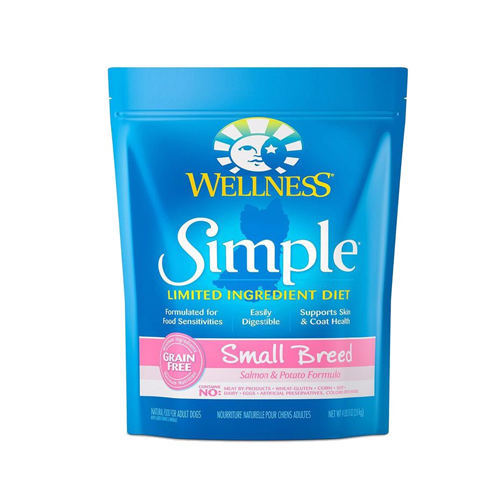
Wellness states clearly on its official product page: “Dogs with food allergies and food sensitivities should always be under the care of their veterinarian.”—this is consistent with the stance taken throughout this article and is worth quoting.
Arranged by protein type: all 9 single-protein dog foods across the BC Pets range
When running an elimination trial, the real question you should ask is not “which brand is good”, but “which protein has my dog never eaten”. So the following is arranged by protein type rather than by brand:
| Single protein | Product | Brand range | Reference price (HK$) | Suitability as an elimination-period food |
|---|---|---|---|---|
| Duck | AATU Grain-Free Free-Run Duck Adult Dog Food | AATU 80/20 | $238 – $972 | High—duck is relatively uncommon in retail staple foods |
| Duck | ACANA Singles Free-Run Duck All-Breed Dog Food | ACANA Singles | $255 – $860 | High—50% duck, including duck organs and cartilage, with high nutrient density |
| Turkey | AATU Grain-Free Free-Run Turkey Adult Dog Food | AATU 80/20 | $238 – $972 | High—less commonly used as a single main protein |
| Lamb | ACANA Singles Grass-Fed Lamb All-Breed Dog Food | ACANA Singles | $218 – $820 | Medium-high—lamb accounts for 5% of confirmed cases, but its use has become more widespread in recent years |
| Salmon | AATU Grain-Free Wild Salmon Adult Dog Food | AATU 80/20 | $238 – $972 | Medium-high—no potato, shortest ingredient list |
| Salmon | Wellness Simple Grain-Free Adult Salmon Formula | Wellness Simple LID | $238 – $847 | Medium-high—25% protein, contains probiotics, also available in large/small kibble |
| Salmon | RAWZ Grain-Free Single-Protein Wild Salmon All-Breed Formula | RAWZ LID | $310 – $1,162 | Medium-high—the highest price point in its category |
| Chicken | AATU Grain-Free Free-Run Chicken Adult Dog Food | AATU 80/20 | $220 – $938 | Low—chicken accounts for 15% of confirmed cases, and most dogs have already eaten it |
| Salmon (puppy) | AATU Grain-Free Salmon Puppy Formula | AATU 85/15 | $242 – $646 | For puppies only—growth-stage nutritional needs are different; do not substitute with adult dog food |

5 single-protein choices in total: duck, turkey, lamb, salmon and chicken. Prices range from HK$218 (ACANA Singles Grass-Fed Lamb 2kg) to HK$1,162 (RAWZ Salmon, largest pack).
Tip: always read the ingredient list yourself before buying. “Single protein” is a formula positioning; it doesn’t mean the pack contains no other animal source at all. For example: the North American version of ACANA Singles officially notes “Also contains fish oil” and “Produced in a facility that also processes grains”; the Hong Kong/EU version of the duck formula uses seaweed as the DHA/EPA source instead. The same product can have different formulas in different markets, so the only reliable approach is to read the actual ingredient list on the pack in your hands, rather than the manufacturer’s website or this article. If your dog reacts to fish, this point is especially critical.
Our brand recommendation: of the three, we suggest starting with duck
First choice: duck—AATU Free-Run Duck ($238–$972) or ACANA Singles Free-Run Duck ($255–$860). The reason is not that duck is “more hypoallergenic”—as explained earlier, there is no naturally low-allergen meat—but that duck is less often used as a single main protein in retail dog food in Hong Kong, so there’s a higher chance your dog has never encountered it, best fitting the “novel protein” requirement. And duck happens to be the only protein in the whole range available from two brands: if you want the shortest ingredient list with no potato, choose AATU; if you want high nutrient density with organs and cartilage, choose ACANA Singles. If duck doesn’t work and you need to switch to a second protein, AATU Free-Run Turkey ($238–$972) is the logical next step.
Second choice: salmon—Wellness Simple ($238–$847) or AATU Wild Salmon ($238–$972). Fish proteins differ considerably in molecular structure from mammalian and poultry proteins, making them a common direction for the elimination method. Among the three salmon products, Wellness Simple is best suited to dogs with a weaker digestive tolerance: its protein is not less than 25% (lower than ACANA’s 31% and AATU’s high-meat formula), with added probiotics and prebiotics, and it comes in large/small kibble for the convenience of small dogs. Wellness also directly positions this range as a “natural alternative to common prescription foods”. The one thing to note: many dog foods add fish oil as an Omega-3 source, so dogs that have truly “never been exposed to fish” are actually rarer than you’d think; before choosing, be sure to check past ingredient lists for salmon oil or fish oil.
Third choice (depends on the situation): lamb—ACANA Singles Grass-Fed Lamb ($218–$820). This is the lowest entry price in the whole range, with all ingredients coming from New Zealand grass-fed lamb (including lamb meat, liver, tripe, kidney and cartilage). Lamb accounts for only 5% of confirmed cases, which seems ideal, but note: this low proportion partly reflects that it is “used less” rather than being “naturally low-allergen”, and lamb formulas have become increasingly widespread in Hong Kong in recent years. If your dog has eaten any food or treat containing lamb in the past, this one is not suitable for elimination purposes, but it remains a quality everyday staple food choice once a safe protein has been confirmed.
As for AATU Free-Run Chicken ($220–$938), although it is one of the best-value options in the whole range and is equally an 80/20 formula in quality, we do not recommend using it for an elimination trial: chicken accounts for 15% of confirmed cases, and it is the most common protein in retail dog food, so the vast majority of dogs have already been exposed to it long-term. Using a protein the dog has eaten for elimination is equivalent to invalidating the whole trial. A more suitable use for this one is as an everyday staple food for dogs already confirmed to be sensitive to beef or other proteins but that don’t react to chicken.
Important note: do not add AATU cans during the elimination period. BC Pets also sells AATU complete canned dog food (400g, $37–$200), with a meat content as high as 90% and very good quality—but of the five, three are dual-protein formulas (duck & turkey, tuna & salmon, pork & wild boar), and AATU officially labels these as “High protein” rather than “Single source protein”. During the 8–12 week elimination period, adding any extra protein will invalidate the trial. Cans are suitable for introduction only after the trial is complete and a safe protein has been confirmed, and you should choose a single-protein version matching the protein of the staple food.
Frequently asked questions (FAQ)
Is a blood test for dog food sensitivity accurate? Is it worth doing?
For food allergy, serum IgE/IgG testing is unreliable, and the American College of Veterinary Dermatology does not recommend it. The reason is that producing antibodies to food proteins is itself a normal immune response in a healthy dog, so a “positive” doesn’t indicate allergy; multiple studies have also found that such tests have high false-positive rates, inconsistent results between laboratories, and cannot predict the true allergens revealed by the elimination method. Saliva and hair testing are likewise not recognised. Note the distinction: serum or intradermal testing does have clinical uses in diagnosing environmental allergy (dust mites, pollen); the problem is only in applying it to food. As of 2026, the elimination diet trial remains the only validated method for diagnosing food sensitivity.
How does single-protein dog food help?
The value of single-protein food lies not in it being “more hypoallergenic”, but in it letting you control the variables. If a food contains three meats—chicken, beef and lamb—then even if the dog’s symptoms improve, you can’t know which one you eliminated; conversely, a food with only duck, combined with a strict 8–12 week trial and a re-challenge, can give an interpretable conclusion. So when choosing a single-protein food, the most important criterion is not price or brand, but whether the dog has eaten that protein in the past—using a protein it has eaten for elimination is equivalent to invalidating the whole trial.
Which meat most easily causes allergies in dogs?
According to a systematic review of the veterinary literature, among confirmed cases of adverse food reactions in dogs, beef accounts for 34%, dairy 17%, chicken 15%, wheat 13% and lamb 5%. But understand the reason behind these numbers: these are precisely the ingredients most commonly used in retail dog food, so with more exposure comes naturally more allergy cases. So there is no naturally “low-allergen” meat—lamb was once regarded as the top low-allergen choice precisely because few foods used it back then, and its proportion rose once it became widespread. When choosing an elimination-period food, the key question is “what has my dog eaten over the past two years”, not “which meat is the least allergenic”.
How long does the elimination method take? Can it be shorter?
The veterinary consensus recommends 8 to 12 weeks, and shortening it is not advised. The reason is that gastrointestinal symptoms usually improve earlier (within weeks), but skin symptoms take longer to reflect the dietary change—ending too early is one of the most common causes of failure with the elimination method. Throughout the process, any single feeding of another protein (including treats, human food, flavoured medications or supplements) will invalidate the trial and require starting the count again. If you need training rewards, the only safe approach is to use the trial food’s own dry kibble set aside from the daily amount.
After the trial my dog has recovered—do I still need to do a re-challenge?
It’s advisable, and it should be done after discussion with the vet. A re-challenge means feeding the original food again; only if symptoms return within a few days to two weeks is an adverse food reaction truly confirmed. If there’s no return, it means the earlier improvement may have come from seasonal change, a treated secondary infection or other factors, and the true cause still hasn’t been found. The cost of not doing a re-challenge is this: you may spend the next dozen years avoiding a food that was actually fine, while the real cause (such as environmental allergy or flea allergy) goes unaddressed the whole time. A re-challenge usually only takes a few days to two weeks.
What’s the difference between AATU, ACANA Singles and Wellness Simple?
All three are single-animal-protein formulas, but with different design orientations. AATU takes the high-meat route (80/20, 80% single meat), grain-free and potato-free, with the shortest ingredient list and fewest variables, and four proteins: duck, turkey, salmon and chicken. ACANA Singles takes the whole-animal route, with 50% single meat including meat, organs and cartilage, crude protein of 31% and high nutrient density, and two proteins: duck and lamb. Wellness Simple is a Limited Ingredient Diet (LID), pairing a single animal protein with a single easily digestible carbohydrate, with crude protein of not less than 25%, containing probiotics and prebiotics, officially positioned as a “natural alternative to common prescription foods”, currently a salmon formula also available in large/small kibble. When running an elimination trial, the key to choosing is not the brand but the protein type—pick one the dog has never eaten.
Which single-protein dog food is best? Where can I buy it in Hong Kong?
BC Pets currently carries 9 single-protein hypoallergenic dog foods, covering AATU, ACANA Singles, Wellness Simple and RAWZ, together offering 5 single proteins—duck, turkey, lamb, salmon and chicken—priced from HK$218 to HK$1,162. For elimination purposes, we suggest giving priority to duck (AATU Free-Run Duck $238–$972 or ACANA Singles Free-Run Duck $255–$860), because duck is less often used as a single main protein in Hong Kong retail food; next comes salmon or turkey. We don’t recommend using chicken for elimination, because most dogs have already been exposed to it long-term. The BC Pets shop is at Shop A8, G/F, Flora Plaza, 88 Pak Wo Road, Fanling, New Territories, with online and phone ordering as well, free delivery on orders over HK$350, and the whole range genuine Hong Kong original goods.
What’s the difference between retail single-protein food and a veterinary prescription hydrolysed diet?
Hydrolysed-protein prescription food breaks the protein molecules down to a size the immune system can hardly recognise, making it the most rigorous diagnostic food clinically; retail single-protein food, on the other hand, is a whole protein and, being produced on shared factory lines, theoretically carries the possibility of trace cross-contamination. For mild to moderate cases, retail single-protein food is a reasonable and economical first step; but if there is no improvement at all after 12 weeks of strict compliance, or if symptoms are severe (such as widespread hair loss or recurring severe ear infections), you should discuss switching to a prescription hydrolysed diet with your vet, rather than continually swapping between different flavours of retail food.
Will changing food give my dog loose stools? How do I tell a sensitivity from a food-change reaction?
Yes, and it’s very common. Brief loose stools early in a food change are a normal adaptation reaction, usually settling within 3 to 7 days; an adverse food reaction, by contrast, is mostly persistent and often accompanied by skin symptoms (itching, ear infections, paw-licking). To reduce confusion, always change food gradually over 7 to 10 days: 25% new food on days 1–3, 50% on days 4–6, 75% on days 7–9, and fully switched on day 10. If loose stools persist beyond two weeks after this transition, or if there is vomiting, bloody stools or lethargy, consult a vet immediately rather than continuing to observe it as an “adaptation period”.
Conclusion: the three core principles of investigating food sensitivity
The whole guide can be distilled into three sentences:
- Don’t start with a blood test; start by ruling out other causes. Adverse food reactions account for only 10–25% of allergic skin disease; flea allergy and environmental allergies are more common. First confirm that flea control is in place and observe whether the itching has any seasonality—this step costs nothing but can save you thousands of dollars and several months.
- The value of a single protein lies in controlling the variables, not in being “hypoallergenic”. When choosing a single-protein dog food, the only important question is “what has my dog eaten in the past”. Beef (34%), dairy (17%), chicken (15%) and wheat (13%) are the most common allergens, precisely because they appear most often in retail food.
- Follow it strictly for 8–12 weeks, and do the re-challenge. Feed one treat midway and you start counting again; if you don’t do the re-challenge after symptoms improve, you’ve only guessed the answer rather than confirmed the diagnosis. There are no shortcuts to these two things, but do them properly and you’ll get an answer you can truly use for a lifetime.
Food sensitivity is not a terminal illness; it’s just a puzzle that takes patience to solve. And the tool for solving it has been in your food bowl all along.
Ready to start investigating?
BC Pets has served furry friends’ families in Hong Kong since 2009, with a shop at Shop A8, G/F, Flora Plaza, 88 Pak Wo Road, Fanling, New Territories, and online and phone ordering as well. All goods sold are guaranteed to be genuine Hong Kong original goods, with free delivery across Hong Kong on orders over HK$350, at least 10% off across the entire pet food range, plus cash-voucher rebates.
Shop now: All single-protein hypoallergenic dog food (9 products) | AATU Grain-Free Single-Protein Hypoallergenic Dog Food | ACANA Dog Food | Wellness Simple Single-Protein Range | Skin/Coat Supplements.
Not sure which protein to start trialling? Call 2683-0318 or WhatsApp 5544-7400, tell us the foods and treats your dog has eaten in the past, and we’ll help you narrow down the protein options it has never been exposed to. But remember: before formally starting an elimination trial, it’s best to consult your vet first.
Further reading: Pet Food Feeding Calculator | Complete Guide to the AFCD Pet Food Safety Guidelines | Buying Cat and Dog Food in Hong Kong: Genuine Local Goods vs Parallel Imports | About BC Pets
Disclosure of interest statement: This article was written by BC Pets (www.bcpets.com.hk). BC Pets is a registered Hong Kong pet supplies and food retailer, operating since 2009, and is the Hong Kong retailer of AATU, ACANA, Wellness and RAWZ products, profiting from sales of the products mentioned in the article. To maintain the credibility of our content, our practice is: all medical claims are cited from the Merck Veterinary Manual, the Journal of the American Veterinary Medical Association and peer-reviewed systematic literature reviews, with sources noted; product specifications are cited from the official AATU, ACANA and Wellness websites. We also honestly state several facts unfavourable to sales, including: retail single-protein food is not the same as a veterinary prescription hydrolysed diet; you should not additionally buy AATU cans during the elimination period (as three of them are dual-protein formulas); the cheapest in the whole range, AATU Free-Run Chicken, is not suitable for elimination purposes; the North American version of ACANA Singles officially notes that it also contains fish oil and is produced in a facility that also processes grains; and the low allergenic proportion of lamb partly reflects frequency of use rather than being naturally low-allergen. The manufacturers themselves also do not use “hypoallergenic” as a product claim—AATU describes it as “single source protein”, ACANA as “Limited Ingredient Diet”, and Wellness clearly states that “Dogs with food allergies and food sensitivities should always be under the care of their veterinarian”—and this article likewise follows this more cautious wording. This article does not constitute veterinary diagnosis or treatment advice.