Quick answer: Keeping an adult house cat in Hong Kong in 2026 costs roughly HK$720 to HK$3,510 per month in total, with the median at about HK$1,760 per month. The largest expense is cat food (30–40% of the total), while cat litter is a fixed cost unique to cats that recurs every month. The first year requires an additional one-off outlay of HK$3,500–HK$9,000 (desexing, vaccinations, basic supplies and a litter box). The six key expense points for controlling your budget are:
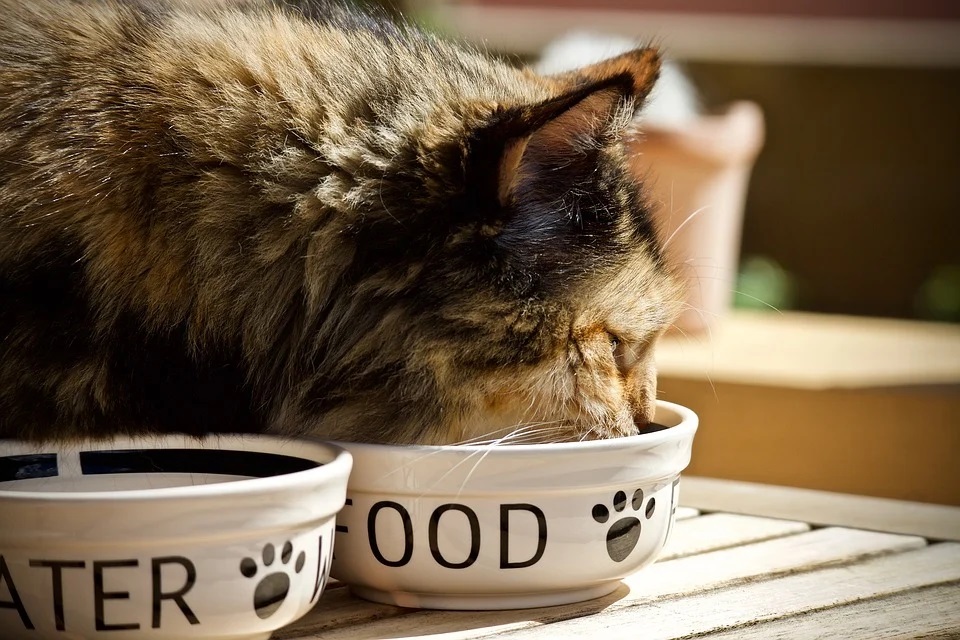
- Cat food and wet food: HK$250–HK$1,350 per month, with the widest gap depending on the food grade
- Cat litter and litter box: HK$100–HK$280 per month, a fixed consumable unique to cats
- Medical care, vaccinations, desexing and insurance: HK$120–HK$800 apportioned per month
- Treats, hairball, health and dental-care products: HK$60–HK$400 per month
- Daily consumables (deodorising, cleaning, disinfecting): HK$60–HK$180 per month
- Equipment depreciation, scratching boards and boarding services: HK$80–HK$500 apportioned per month
The most practical approach for newcomers is to choose the “standard” budget (about HK$1,760 per month): use a mid-to-high-grade natural food, do one annual health check, buy a basic pet insurance policy, and stock up on the remaining supplies in one go at the super-value special offers area, with free delivery on orders over HK$350.
Key takeaways (TL;DR):
- Keeping a cat is about 30–40% cheaper than keeping a dog: cats groom and clean themselves, need no grooming or outdoor walks, and have no statutory licence, though they do add the fixed consumable of cat litter.
- Cat food is the biggest variable: for the same cat, feeding economy dry food versus staple canned or freeze-dried food can differ by more than HK$8,000 a year in food costs.
- Cat litter needn’t be expensive but can’t be skipped: about HK$100–HK$280 per month; mineral litter is cheapest, tofu litter is flushable, and pine litter is lightest, each with trade-offs.
- Desexing is the largest single expense in the first year: about HK$800–HK$2,000 for males and HK$1,500–HK$4,000 for females, and it is generally not covered by insurance.
- The key to saving isn’t buying cheap goods: it’s “choosing the right portion, the right food, buying genuine local-market goods, and consolidating your purchases in one go to save on delivery”; over the long run, savings on medical costs far exceed savings on food.
- Set aside an emergency fund: we recommend keeping at least HK$15,000–HK$30,000 as a medical emergency fund, or transferring the risk via pet insurance—the cost of treating common feline urinary-tract and kidney disease can be considerable.
Introduction: Before getting a cat, it’s best to work out the numbers first
Many people, before deciding to get a cat, only work out the price of a bag of cat food, without factoring in litter, desexing, vaccinations, hairball and health care, and sudden urinary-tract or gastrointestinal medical costs. As a result, only after a few months do they discover that the actual monthly outlay is higher than imagined, ultimately affecting the quality of care their cat receives.
“Is keeping a cat expensive in Hong Kong” is one of the questions most often searched by people preparing to get a cat. Compared with keeping a dog, cats are indeed more economical—they groom and clean themselves, need no regular grooming or outdoor walks, and Hong Kong has no statutory pet licence requirement for cats as it does for dogs. But cats have their own unique fixed expense: cat litter. Moreover, once the urinary-tract diseases and chronic kidney disease common in cats occur, the medical costs are not cheap. According to OneDegree’s claims records, the average medical cost per pet reached HK$12,735 in 2024, underscoring the importance of setting aside a medical budget.
BC Pets has operated in Hong Kong since 2009, with its shop located in Fanling, and also offers online and phone ordering. Over more than a decade we have seen far too many novice cat owners miscalculate their budgets, so this article won’t just list a string of pretty numbers—instead it breaks monthly expenses into six major categories, giving the actual 2026 Hong Kong price ranges for each, along with a complete comparison of three budget tiers, so that before you buy cat food and buy pet supplies, you have an actionable figure to work with.
1. Cat food and wet food: HK$250–HK$1,350 per month, 30–40% of total expenses
Cat food is the only expense that “occurs every day and is entirely within your control”, and it is also the item with the widest gap between the three budget tiers. For a 4 kg adult cat, daily dry-food intake is about 50–70 grams, or roughly 1.5–2.1 kg consumed per month. The actual portion must be adjusted for activity level, age and desexing status; you can first work it out precisely with our pet feeding portion calculator, as feeding too much both wastes money and makes your cat overweight.
Cats are strict carnivores, so when choosing food you should note the animal-protein proportion and confirm that the packaging carries an AAFCO (Association of American Feed Control Officials) nutritional adequacy statement for the corresponding “cat” life stage; you can also refer to the storage and purchasing advice in the AFCD’s Pet Food Safety Guidelines.
| Food grade | Reference unit price | Monthly food cost for a 4 kg cat | Features | Suitable for |
|---|---|---|---|---|
| Basic dry food | About HK$60–90/kg | HK$100–190 | Meets basic nutritional standards, higher grain proportion | Tight budget, cat with no particular gastrointestinal or urinary issues |
| Mid-to-high-grade natural food / grain-free food | About HK$130–180/kg | HK$250–380 | High animal-protein proportion, few additives | Most house cats, the most common choice |
| Single-protein hypoallergenic food | About HK$150–220/kg | HK$300–460 | Single animal protein, convenient for pinpointing food allergies | Itchy skin, soft stools, suspected food allergy |
| Mainly freeze-dried raw meat / staple canned food | Depends on the combination | HK$600–1,350 | High moisture content, closest to a natural meat diet | Urinary-tract health, fussy eaters, seeking the highest quality |

For cats, wet food is not just about improving palatability—it is also an important source of hydration, since cats are naturally low drinkers, and staple cat cans or wet food help prevent urinary-tract problems. With wet food as the main diet or a dry-and-wet mixed feed, expect an extra HK$100–HK$700 per month, and you can also adjust with mixers/toppers.
Tip: Always transition food gradually over 7–10 days—days 1–3 with 25% new food, days 4–6 at 50%, days 7–9 at 75%, and fully switched on day 10. Cats are especially sensitive to food texture and odour, and switching food suddenly not only tends to cause soft stools but may also make a cat simply refuse to eat—a cat going without food for several days can trigger fatty liver, a serious health risk, and saving on food only to pay for a vet visit is not worthwhile.
2. Cat litter and litter box: HK$100–HK$280 per month, a fixed cost unique to cats
Cat litter is a fixed expense that keeping a cat adds over keeping a dog, and it is also the choice novices agonise over most. Different litter materials each involve trade-offs in price, deodorising, dust and disposal method. Per cat, one generally uses about one 14-pound (about 6.3 kg) bag of mineral litter per month, or the corresponding amount of another material.
| Litter type | Monthly reference cost | Clumping / deodorising | Flushable? | Advantages | Drawbacks |
|---|---|---|---|---|---|
| Mineral litter (bentonite) | HK$60–130 | Strongest clumping | No | Cheapest, highest cat acceptance, texture close to sand | Heavier, dusty, can only be disposed of as rubbish |
| Tofu litter | HK$120–220 | Good clumping, good deodorising | Can be flushed in small amounts | Natural and eco-friendly, lightweight, can be flushed away to reduce rubbish | More expensive, prone to absorbing moisture and clumping in humid weather |
| Pine litter (wood-shaving litter) | HK$70–150 | Good odour absorption, weaker clumping | Depends on the type | Lightest, good deodorising, an economical choice for multi-cat households | Weaker at covering faeces, needs a double-layer litter box |
| Crystal litter (silica gel) | HK$130–280 | Strong odour-locking, does not clump urine | No | Absorbs moisture and locks in odour, sparing in use | Cannot cover faeces, needs frequent cleaning, higher cost |
The litter box is a durable one-off item; when choosing, we recommend “the box length should be at least 1.5 times the cat’s body length”, while multi-cat households should follow the “number of cats + 1” rule for the number of boxes. See BC Pets’ cat litter and litter box/toilet categories for related products.
Tip: Cat litter should be “scooped of urine clumps and faeces daily, with the whole box changed for fresh litter about once a month”. Only topping up without changing the base litter is a common cause of odour build-up and cats refusing to use the box. And once a cat holds in its urine or relieves itself elsewhere because of a dirty box, it is often a warning sign of a urinary-tract problem—the money saved on changing litter can turn into a urinary-tract vet visit costing over a thousand dollars. Hong Kong summers are humid, so tofu litter in particular should be kept sealed to avoid a whole bag absorbing moisture and clumping into waste.
3. Medical care, vaccinations, desexing and insurance: HK$120–HK$800 apportioned per month
Medical care is the one expense you “can’t budget too little for”. A general consultation with a Hong Kong vet, including basic medication, costs about HK$400–HK$800, and can reach several thousand dollars for emergencies or when imaging is needed. Although cats have no statutory licence, desexing, annual vaccinations and regular check-ups are equally important; we recommend apportioning fixed annual outlays into a monthly budget, and separately setting aside an emergency fund or taking out insurance.
| Item | Frequency | Hong Kong reference cost | Apportioned per month |
|---|---|---|---|
| Desexing surgery (male cat) | One-off | HK$800–2,000 | — |
| Desexing surgery (female cat) | One-off | HK$1,500–4,000 | — |
| Kitten core vaccination (feline trivalent) | One course during kittenhood, then annual boosters | HK$500–1,200 per year | HK$42–100 |
| Annual health check | Yearly | HK$500–1,500 | HK$42–125 |
| Internal and external deworming | Every 3 months | HK$100–300 / time | HK$33–100 |
| Pet insurance (basic to mid-tier) | Yearly | HK$2,500–6,000+ | HK$210–500 |
| Sudden consultation reserve | Irregular | HK$400–800 / time | HK$100–200 |
Note that the vast majority of pet insurance on the market does not cover desexing surgery, preventive vaccinations, deworming or nutritional supplements, and pre-existing conditions before taking out the policy are also not covered. As for microchipping, Hong Kong law does not require cats to be microchipped (this is a statutory requirement for dogs), but voluntary implantation is still recommended to guard against loss.
Tip: Cats have two types of common illness that are “very expensive to settle” and especially worth budgeting for: one is lower urinary-tract obstruction in male cats (commonly called “urethral blockage”), which is an emergency when it occurs and often costs several thousand to over ten thousand dollars to treat; the other is chronic kidney disease in middle-aged and older cats, which requires long-term follow-up and prescription food. Boosting water intake early with staple wet food, keeping the litter box clean, and doing an annual blood test to check kidney function are all low-cost, high-return preventive measures.
4. Treats, hairball, health and dental-care products: HK$60–HK$400 per month
This is the item most easily “overspent without noticing”, but several things in it are especially useful for cats. We recommend handling it in tiers by “necessity”: hairball and dental care are high-value-for-money preventive investments, while other supplements should only be added according to actual health conditions.
| Item | Monthly reference cost | Necessary? | Notes |
|---|---|---|---|
| Treats / freeze-dried snacks | HK$50–150 | Recommended | Handy for training, interaction and giving medication |
| Hairball paste / hair-removal supplement | HK$40–120 | Recommended | Especially needed for long-haired cats and during moulting season, helps expel hairballs |
| Cat grass / catnip | HK$30–80 | As needed | Wheatgrass adds fibre to aid gut motility; catnip has no effect on kittens |
| Dental-care products | HK$50–120 | Recommended | A single scale-and-polish requires anaesthesia and often costs several thousand dollars, so prevention costs far less |
| Gut probiotics | HK$80–180 | As needed | Cats prone to soft stools or with sensitive stomachs |
| Lysine (immune boosting) | HK$80–160 | As needed | Cats prone to sneezing, runny nose, or with a history of feline herpesvirus |
For related products, see cat treats, hair-removal supplements, oral-care products and immune-system boosting products respectively.
Tip: Treats should be kept within 10% of total daily calories; exceeding this directly leads to weight gain. Indoor cats in Hong Kong generally have low activity levels, and being overweight is the most common preventable health problem, while the medical costs of obesity-related diabetes and joint problems far outweigh the money saved on those treats. As for hairball control, besides hairball paste, cat grass and hair-removal powder supplement fibre and promote gut motility to help expel hair, and can be used alternately.
5. Daily consumables: HK$60–HK$180 per month
This item is not large in amount but unavoidable, and with steady usage it is the part where “buying in bulk in one go” saves money most easily. Cats groom and clean themselves, so there is no bathing and grooming expense like dogs’, and daily consumption mainly revolves around litter-box hygiene and household deodorising.
| Consumable | Monthly usage reference | Monthly cost | Money-saving approach |
|---|---|---|---|
| Household deodoriser / disinfectant spray | About 1 bottle | HK$30–70 | Choose a pet-specific, fragrance-free formula |
| Litter-box cleaner / deodorising powder | 1 pack | HK$20–50 | Buy together with cat litter to make up the free-delivery threshold |
| Wet wipes / paw and hand cleaning | 1–2 packs | HK$20–40 | Buying by the case lowers the unit price |
| Cotton / ear and eye cleaning products | As needed | HK$20–40 | Basic care, low usage |
For related products, see household cleaning/pest-control/deodorising products. If your cat occasionally needs a bath (for example when soiled or requiring a skin treatment), refer to bathing products, though a generally healthy cat does not need frequent bathing.
Tip: A cat actually only needs a bath when it is really dirty—it grooms and cleans itself, and over-bathing instead strips the skin’s natural oils and causes dryness and itchiness. The focus of daily care should be on brushing (to reduce hair swallowed) and litter-box hygiene, not bathing. This is precisely one of the keys to keeping a cat being cheaper than keeping a dog—the grooming cost saved is enough to offset the cat litter expense.
6. Equipment depreciation, scratching boards and boarding services: HK$80–HK$500 apportioned per month
Litter boxes, scratching boards, cat trees and carriers are durable items, and the correct approach is to apportion the purchase price over the expected lifespan. Among these, the scratching board is one of the faster-wearing items—scratching is a cat’s nature, and rather than preventing it, it’s better to provide enough scratching boards to protect the furniture. The real variable is boarding: a single trip away can noticeably raise that month’s expenses.
| Item | Purchase price / charge | Years of use | Apportioned per month |
|---|---|---|---|
| Litter box | HK$100–500 | About 2–3 years | HK$3–20 |
| Scratching board / post | HK$50–300 | About 1–3 months (gets clawed apart) | HK$30–100 |
| Cat tree / climbing platform | HK$300–1,500 | About 2–3 years | HK$10–60 |
| Food bowl / water fountain | HK$100–600 | About 2–3 years | HK$5–25 |
| Toys | HK$30–150 / item | About 1–3 months | HK$20–80 |
| Carrier / backpack | HK$200–800 | About 3–5 years | HK$5–22 |
| Boarding / cat sitter | HK$150–400 / day | As needed | HK$0–400 |
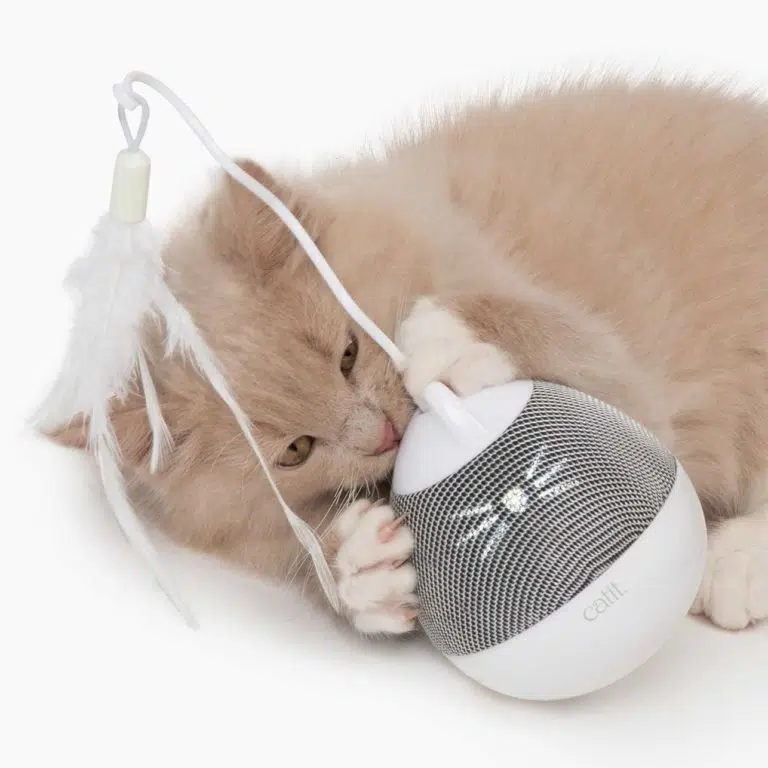
For product ideas, refer to cat toys, carriers and pet bags/backpacks.
Tip: A major money-saving advantage of keeping a cat is “boarding flexibility”. Unlike dogs, cats don’t need a daily walk, and for a short trip away (2–3 days) they can usually be left to fend for themselves at home, needing only an automatic feeder, enough clean water and multiple litter boxes, plus one home visit—there’s no need for full-day boarding every day. This can substantially lower the care cost during trips. However, for more than 3–4 days it is still advisable to arrange home visits or boarding to ensure your cat is eating normally.
A complete comparison of the three cat-keeping budget tiers (for one adult house cat)
| Item | Economy | Standard | Premium |
|---|---|---|---|
| Main food | HK$250 | HK$500 | HK$850 |
| Wet food / mixers | HK$50 | HK$250 | HK$500 |
| Cat litter | HK$100 | HK$160 | HK$280 |
| Treats, hairball and supplements | HK$60 | HK$200 | HK$400 |
| Medical care, vaccinations and insurance | HK$120 | HK$400 | HK$800 |
| Daily consumables | HK$60 | HK$100 | HK$180 |
| Equipment depreciation and boarding | HK$80 | HK$150 | HK$500 |
| Monthly total | About HK$720 | About HK$1,760 | About HK$3,510 |
| Annual total | About HK$8,640 | About HK$21,120 | About HK$42,120 |
| Food grade | Basic dry food | Mid-to-high-grade natural food + wet food | Mainly freeze-dried / staple canned food |
| Medical arrangement | Annual vaccination, no insurance | Annual vaccination + health check + basic insurance | Half-yearly health check + mid-to-high-tier insurance |
| Litter choice | Mineral litter | Tofu litter or pine litter | Tofu litter / crystal litter, multiple litter boxes |
| Best suited for | Limited budget, cat with no particular health issues | Most Hong Kong households and novice cat owners | Seeking the highest quality, travelling often and needing boarding |
Our recommendation: of the three, we suggest newcomers start directly with “Standard”
Based on BC Pets’ actual sales and customer follow-up experience over more than a decade in Hong Kong, we don’t recommend that newcomers start with the economy tier, nor that they jump straight to the premium tier from the outset. The reasons are as follows:
The problem with the economy tier isn’t food quality, but “too little flexibility”. A budget of HK$720 a month leaves almost no slack, and a single urinary-tract consultation (HK$1,000–3,000) or an urgent switch to hypoallergenic food will blow the whole month’s plan apart. And urinary-tract problems in cats happen to be quite common, so if you do end up choosing the economy tier, we strongly recommend setting aside at least an extra HK$300 a month as a medical emergency fund, and prioritising staple wet food to boost your cat’s water intake.
The problem with the premium tier is diminishing returns. Freeze-dried and staple canned foods are indeed high-quality and high in moisture, but for a healthy adult cat, feeding the highest-grade food throughout costs several thousand dollars more a year, with health improvements that fall short of “putting that money towards an annual health check + insurance + boosting overall water intake”. Unless your cat has a urinary-tract or specific medical history, there’s no need to go all out from the start.
The standard tier (about HK$1,760 a month) offers the highest return. It does all three of the most important things at once: feeding a quality natural food that meets AAFCO standards paired with staple wet food for hydration, doing one annual health check, and holding an insurance policy that can cover large treatment costs. These three are what truly affect your cat’s lifelong health and your long-term spending. Supplies and litter can be kept low entirely at the super-value special offers area and the near-expiry / damaged-bag offers area, and the money saved goes precisely towards subsidising the medical budget.
Cat vs dog: how much do the monthly expenses differ?
| Expense item | Cat (standard) | Dog (standard, 10 kg) | Reason for difference |
|---|---|---|---|
| Food | HK$750 | HK$900 | Cats eat less |
| Toileting consumables | Cat litter HK$160 | Pee pads HK$180 | Similar |
| Grooming | Almost zero | HK$250 | Cats clean themselves, dogs need regular grooming |
| Licence | None | Dog licence apportioned at about HK$2 | Cats have no statutory licence |
| Monthly total | About HK$1,760 | About HK$2,280 | Keeping a cat is about 20–30% cheaper |
Tip: Keeping a cat is cheaper than keeping a dog mainly in grooming and outing-related expenses, and the absence of a statutory licence. But a cat’s medical risks have their own characteristics—urinary-tract and kidney disease are the main sources of expense. So “cats are cheaper” doesn’t mean you can skimp on the medical budget; on the contrary, you should put the grooming cost saved into preventive water-intake management and annual check-ups.
One-off expenses in the first year of keeping a cat
| One-off item | Reference cost | Notes |
|---|---|---|
| Desexing surgery | Male cat HK$800–2,000 / female cat HK$1,500–4,000 | Female cats cost more as they need abdominal surgery; generally not covered by insurance |
| Kitten core vaccination | HK$500–1,200 | From about 8–9 weeks of age, given in separate shots |
| First internal and external deworming | HK$100–300 | Then once every 3 months |
| Microchip (voluntary) | HK$150–400 | Not a statutory requirement for cats, but implantation is recommended to prevent loss |
| Basic supplies set | HK$1,000–3,000 | Litter box, scratching board, cat tree, bowls, carrier, toys, etc. |
| First-year one-off total | About HK$3,500–9,000 | Excludes monthly recurring expenses |
In other words, the total spending in the first year of keeping a cat (one-off + 12 months recurring) is about HK$25,000–HK$30,000 on the standard tier. This is the figure newcomers should prepare for most in advance.
Frequently asked questions (FAQ)
How much does it cost to keep a cat in Hong Kong per month?
For one adult house cat, total monthly expenses in 2026 Hong Kong are about HK$720 to HK$3,510, with a median of about HK$1,760. Economy is about HK$720 (basic dry food, mineral litter, no insurance); standard is about HK$1,760 (mid-to-high-grade natural food plus wet food, tofu or pine litter, basic insurance); premium is about HK$3,510 (mainly freeze-dried or staple canned food, multiple litter boxes, mid-to-high-tier insurance). The first year also requires a one-off outlay of HK$3,500–HK$9,000, mainly for desexing, vaccinations and basic supplies.
Is keeping a cat expensive in Hong Kong? How much does it differ from a dog?
Relatively speaking, keeping a cat is about 20–30% cheaper than keeping a dog. There are three main differences: first, cats eat less, so food costs are lower for the same grade of food; second, cats groom and clean themselves and need no regular grooming (long-haired dogs cost HK$400–800 a month); third, cats have no statutory licence and no outing-and-walk-related expenses. But cats have the fixed consumable of litter that dogs don’t (about HK$100–280 a month), and urinary-tract and kidney disease are the main sources of feline medical expense. Overall, the monthly cost of keeping a cat is about 70–80% that of keeping a small-to-medium dog.
Where can you buy cat food cheaply? How do you buy it for the best value?
To buy cat food cheaply in Hong Kong, the key isn’t finding the lowest unit price, but three things: first, buy large packs—the per-kilogram unit price of a large bag of the same food is usually 20–30% lower than a small bag, but note that it should be used up within 4–6 weeks of opening to keep it fresh; second, make up the free-delivery threshold in one go—BC Pets offers free delivery across Hong Kong on orders over HK$350, and buying in multiple separate orders lets delivery fees eat into the discount; third, make good use of the near-expiry or damaged-bag offers area—these goods are in perfect condition, only with shorter-dated or damaged packaging, and discounts can reach 30–50%, ideal for multi-cat households to consume quickly. In addition, all pet food is at least 10% off, with cash-coupon rebates, making long-term buying even more worthwhile.
Which cat litter is best? How do you choose the right one?
There is no absolute best, only the best fit. Mineral litter is cheapest, has the strongest clumping and the highest cat acceptance, but is heavier and dusty; tofu litter is natural and eco-friendly, can be flushed in small amounts, and is lightweight, but is more expensive and prone to absorbing moisture in humid weather; pine litter is lightest, deodorises well and is most economical for multi-cat households, but is weaker at covering faeces and needs a double-layer box; crystal litter has strong odour-locking and is sparing in use, but cannot clump faeces and needs frequent cleaning. Newcomers are advised to start with mineral or tofu litter and observe their cat’s acceptance. Monthly cost is roughly HK$100–280, and you should scoop urine clumps daily and change the whole box for fresh litter about once a month.
How much money do you need to prepare for the first year of keeping a cat?
On a standard budget, the total first-year spending on a cat is about HK$25,000–HK$30,000. Of this, one-off expenses are about HK$3,500–HK$9,000, including desexing surgery (male cat HK$800–2,000 / female cat HK$1,500–4,000), kitten core vaccination (HK$500–1,200), first deworming (HK$100–300), voluntary microchip (HK$150–400) and a basic supplies set (HK$1,000–3,000). The rest is 12 months of recurring expenses. We recommend also setting aside HK$15,000–HK$30,000 as a medical emergency fund, or transferring the risk of large treatment costs via pet insurance.
How can you save the most when buying pet supplies?
The three most effective approaches: first, handle durable and consumable items separately—buy a good durable item once (litter box, cat tree, carrier) and use it for two or three years, which is cheaper than repeatedly replacing cheap goods; buy consumables (litter, scratching boards, deodorisers) in bulk in one go. Second, concentrate purchases at the same shop to make up the free-delivery threshold, avoiding spreading orders and paying delivery fees multiple times. Third, only buy genuine local-market goods. Although parallel imports or mainland online purchases are lower-priced, they come with no local guarantee, uncertain storage temperature and humidity, and cannot be returned or exchanged if a problem arises—the money saved is far short of a single vet consultation fee.
Does a cat need pet insurance?
It depends on your emergency-fund level. In 2026 Hong Kong, the annual premium for a basic pet insurance plan is about HK$2,500–HK$3,500, and high-coverage plans can reach over HK$6,000, i.e. about HK$210–HK$500 a month. If you can readily produce HK$30,000 at any time to cover a urinary-tract obstruction surgery or long-term kidney-disease treatment, you can choose to save on your own instead of insurance; if not, insurance is a reasonable tool for transferring risk. Note that the vast majority of plans on the market do not cover pre-existing conditions, desexing surgery, preventive vaccinations or nutritional supplements, so the earlier you take out a policy (while the cat is young and healthy), the more complete the coverage.
How can you save on cat food without affecting your cat’s health?
The biggest waste is actually overfeeding. Many cat owners feed to the upper limit on the packaging, but the packaging recommendation is usually on the high side, and indoor cats in Hong Kong have low activity levels. Recalculate the portion based on actual weight, age and activity level first—many households can cut food consumption by 10–20% through this one step alone, while also lowering the risks of being overweight and of diabetes. Next, avoid frequently switching foods to try new ones—cats are sensitive to food texture, and every switch may leave half a bag of unsuitable food behind. Third, mixed dry-and-wet feeding: with quality dry food as the base plus staple wet food for hydration, you both control cost and help prevent urinary-tract problems, saving on medical costs over the long run.
Conclusion: The three core principles of a Hong Kong cat-keeping budget
The whole article can be distilled into three principles:
- Work out the full year first, then divide by twelve. A cat’s large expenses (desexing, vaccinations, insurance, sudden medical care) do not occur monthly. Counting only the monthly cat-food money will inevitably underestimate. Dividing the annual total by 12 is the true monthly budget.
- Spend the money on prevention, not treatment. Quality food and staple wet food for hydration, weight control, an annual health check, and keeping the litter box clean—together these come to no more than a few hundred dollars a month, yet they can substantially lower the five-figure urinary-tract and kidney-disease medical spending down the line. Skimping too much on buying cat food is often the most expensive decision.
- Save on the process, not on quality. What you can truly save on with peace of mind is the way you buy: buy large packs, make up the free-delivery threshold, use the special-offers and near-expiry offers, and stock up on litter and consumables all in one go. As for the food source and genuine-goods guarantee, you shouldn’t compromise. For the practical difference between genuine and parallel-import goods, see our Buying cat and dog food in Hong Kong: genuine vs parallel-import comparison.
Once you’ve worked out the numbers, keeping a cat is actually more manageable than imagined. What truly catches people off guard has never been the monthly cat-food money, but the medical bill that wasn’t set aside for.
Ready to get started?
BC Pets has served furry-pet families in Hong Kong since 2009, with its shop located at Shop A8, G/F, Flora Plaza, 88 Pak Wo Road, Fanling, New Territories, and also offers online and phone ordering. All goods sold are guaranteed to be original genuine Hong Kong local-market goods, with free delivery across Hong Kong on orders over HK$350, all pet food at least 10% off, plus cash-coupon rebates and unlimited buy-more-get-more.
Newcomers can start here: shop natural cat food, shop cat litter, shop litter boxes, or go straight to the super-value special offers area to stock up in one go and make up the free-delivery threshold. For any purchasing questions, feel free to call 2683-0318 or WhatsApp 5544-7400, and we’ll advise according to your cat’s age and health condition.
Further reading: Pet feeding portion calculator | The complete guide to the AFCD’s Pet Food Safety Guidelines | About BC Pets
Disclaimer: This article is written by BC Pets (www.bcpets.com.hk). BC Pets is a registered Hong Kong pet supplies and food retailer that has operated since 2009, and the categories of cat food, cat litter, supplements and cat supplies mentioned in the article are all sold in our shop, from which we profit through the related sales. To maintain the credibility of the content, our approach is: market price ranges reference Hong Kong open-market rates, mainstream media reports and our shop’s actual transaction records; nutritional standards reference AAFCO’s cat life-stage nutrition statements; medical data cites publicly disclosed claims information from Hong Kong pet insurers. The budget recommendations in the article (including advising newcomers to choose the “standard” tier rather than the highest-grade option) are professional judgements based on more than a decade of local experience, and are not aimed at promoting the highest-priced products. This article does not constitute veterinary or financial advice.