
My Dog Eats Poop — What Should I Do? A Must-Read for Hong Kong Dog Owners: The Causes of Coprophagia, When to See a Vet, and How to Handle It Properly

  • Post last modified:2026-08-22
  • Post category:Pet Encyclopedia

Quick answer: A dog eating its own or another dog's feces is medically known as coprophagia, and it is actually quite common — research shows about 24% of dogs have done it at least once and about 16% do it regularly. In most cases it is not malnutrition or "too much protein," but stems from dogs' ancestral instinct to "keep the den clean." The correct order for tackling coprophagia is: Step 1: Rule out medical causes first — exocrine pancreatic insufficiency (EPI), intestinal parasites, malabsorption, diabetes, or steroid medication can all make a dog abnormally driven to eat feces, so a vet must investigate these first. Step 2: Determine whether it is normal behavior — a puppy's exploratory phase and a mother dog cleaning up her puppies' feces are both natural instincts that usually fade with age. Step 3: Review behavior and environment — boredom, seeking attention, being punished during toilet training, greediness, and too little activity space are all common triggers. Step 4: Replace "breaking the habit" with "management" — cleaning up feces immediately is the only high-success-rate method; commercial anti-coprophagia additives have a success rate of just 0–2%. Step 5: Bust the myths — on their own, "switching…

Continue ReadingMy Dog Eats Poop — What Should I Do? A Must-Read for Hong Kong Dog Owners: The Causes of Coprophagia, When to See a Vet, and How to Handle It Properly

How much does it cost to keep a cat in Hong Kong per month? The complete 2026 guide to cat-keeping expenses: budgeting for cat food, cat litter and pet supplies at a glance

Quick answer: Keeping an adult house cat in Hong Kong in 2026 costs roughly HK$720 to HK$3,510 per month in total, with the median at about HK$1,760 per month. The largest expense is cat food (30–40% of the total), while cat litter is a fixed cost unique to cats that recurs every month. The first year requires an additional one-off outlay of HK$3,500–HK$9,000 (desexing, vaccinations, basic supplies and a litter box). The six key expense points for controlling your budget are: Cat food and wet food: HK$250–HK$1,350 per month, with the widest gap depending on the food grade Cat litter and litter box: HK$100–HK$280 per month, a fixed consumable unique to cats Medical care, vaccinations, desexing and insurance: HK$120–HK$800 apportioned per month Treats, hairball, health and dental-care products: HK$60–HK$400 per month Daily consumables (deodorising, cleaning, disinfecting): HK$60–HK$180 per month Equipment depreciation, scratching boards and boarding services: HK$80–HK$500 apportioned per month The most practical approach for newcomers is to choose the "standard" budget (about HK$1,760 per month): use a mid-to-high-grade natural food, do one annual health check, buy a basic pet insurance policy, and stock up on the remaining supplies in one go at the super-value special offers area, with free…

Continue ReadingHow much does it cost to keep a cat in Hong Kong per month? The complete 2026 guide to cat-keeping expenses: budgeting for cat food, cat litter and pet supplies at a glance

Is your dog allergic to certain meats? Skip the pricey blood test: the complete guide to the single-protein elimination method

Quick answer: If you suspect your dog is sensitive to a certain type of meat, don't get a blood test—not because it's expensive, but because it's inaccurate. The American College of Veterinary Dermatology (ACVD) does not recommend serum IgE/IgG food allergy testing, because it is a perfectly normal immune response for a healthy dog to produce antibodies to food proteins, giving an extremely high false-positive rate. As of 2026, the elimination diet trial remains the only validated method for diagnosing food sensitivity. The correct approach has 6 steps: Step 1: Rule out other causes first—flea allergy and environmental atopic dermatitis are far more common than food sensitivity; running a food trial before dealing with fleas is a waste of time. Step 2: Understand why blood tests are unreliable—serum, saliva and hair testing are none of them recognised by veterinary dermatology. Step 3: Choose a single animal protein your dog has never eaten before—beef (34%), dairy (17%), chicken (15%) and wheat (13%) are the most common allergens and should be avoided. Step 4: Follow it strictly for 8–12 weeks—during this period zero treats, zero human food, zero flavoured medications; one slip and you have to start counting again. Step 5: Confirm…

Continue ReadingIs your dog allergic to certain meats? Skip the pricey blood test: the complete guide to the single-protein elimination method

Your pet food bowl may be endangering your pet’s health | Pet food bowl selection and health report

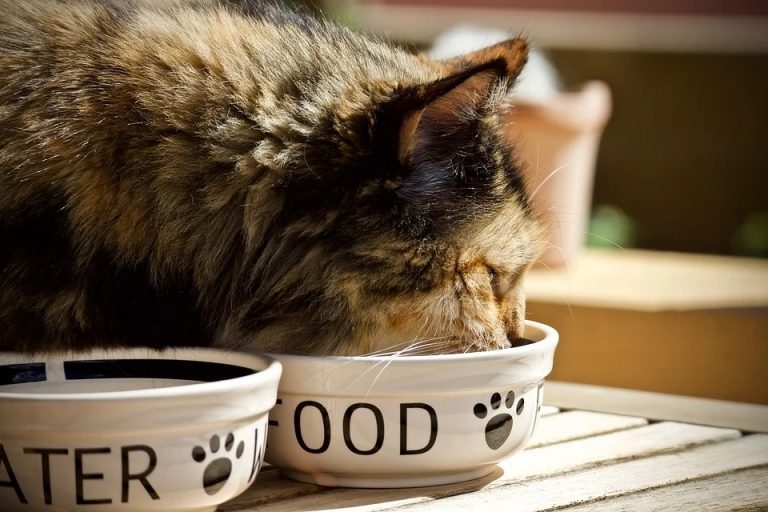
Newsweek's latest report warns that if pet food bowls are not cleaned enough, they can become breeding grounds for bacteria, increasing the risk of gastrointestinal discomfort and cross-contamination between humans and pets; In Hong Kong's hot and humid environment, it is recommended to prioritize easy-to-clean, non-porous, and durable food bowls, such as stainless steel or high-quality ceramics, and develop the habit of washing after every meal and cleaning the drinking bowl daily. BC Pets offers a wide range of pet food utensils to choose from, including stainless steel bowls, slow food bowls, diagonal bowls, and water dispensers. Key Summary TL; DR: Food bowls themselves can also harbor bacteria: Research and veterinary reports indicate that pet bowls can accumulate bacteria, mold, and biofilms. Material matters: stainless steel is usually easier to clean and holds less dirt; Plastic and cracked ceramics are more likely to become hiding places for bacteria. Wet grains carry higher risks: When using wet grain, residues on the bowl surface are more likely to breed microorganisms, so cleaning frequency is higher. Cleaning habits determine risk: It is recommended to wash the food bowls after each meal, and the drinking bowls at least once a day. Hong Kong should…

Continue ReadingYour pet food bowl may be endangering your pet’s health | Pet food bowl selection and health report

Common Dog Food Ingredient List Explained 2026 | Hong Kong dog food, natural dog food, and dog food all good—a complete guide to everything

To judge whether dog food is good, look at five things: 1) Is the primary ingredient named animal protein; 2) Whether crude protein and crude fat match the dog's age and activity level; 3) Whether there are complete AAFCO or FEDIAF nutritional standards; 4) Whether it contains clearly labeled fats, fiber, vitamins, and minerals; 5) Whether it comes from reliable sources. Generally speaking, high-quality natural dog food centers on clear animal protein, suitable fats, digestible carbohydrates, essential fatty acids, and complete micronutrients. Key Summary TL; DR: Let's look at the first ingredient: High-quality dog food usually prioritizes well-known animal proteins such as chicken, salmon, and lamb. Adequate protein: Adult dogs generally consume about 20–25%, while puppies typically require higher protein to support growth. Fat is an energy source: Fat provides energy, helps absorb fat-soluble vitamins, and also affects the condition of hair and skin. Fewer carbohydrates are not always better: it depends on the source and digestibility. Sweet potatoes, brown rice, oats, and other foods are commonly found in natural formulas. Complete nutrition is most important: staple dog food should have AAFCO or FEDIAF complete and balanced claims. In Hong Kong, pay attention to storage: high temperature and humidity accelerate…

Continue ReadingCommon Dog Food Ingredient List Explained 2026 | Hong Kong dog food, natural dog food, and dog food all good—a complete guide to everything

AFCD Pet Food Safety Guidelines: The Complete Guide to Choosing, Buying and Storing Food for Hong Kong Cat and Dog Owners

Hong Kong's Agriculture, Fisheries and Conservation Department (AFCD) officially published the 《Pet Food Safety Guidelines》 in June 2026, offering advice for pet food manufacturers and traders as well as for pet owners. For Hong Kong cat and dog owners, these guidelines are like an official textbook on "choosing, buying and storing food". BC Pets breaks down the key points and adds practical tips, so your furry friends can eat safely and stay healthy. 1. What counts as a "safe" pet food? According to the guidelines, a safe pet food should be of good and consistent quality, and is generally cooked or heated to a high enough temperature to kill bacteria and prevent pet food poisoning. If it is a staple food, it must also be able to provide all the nutrients your pet needs. 👉 When buying a staple food, check whether the packaging is labelled "Complete & Balanced" or similar wording; this is an important indicator that the staple food meets nutritional requirements. 2. Dry food, wet food, fresh food, raw food — how do they differ? There is a huge variety of pet foods on the market. Using cats and dogs as examples, the guidelines briefly introduce the…

Continue ReadingAFCD Pet Food Safety Guidelines: The Complete Guide to Choosing, Buying and Storing Food for Hong Kong Cat and Dog Owners

Pet Feeding Portion Calculator – 2026 Edition

  • Post last modified:2026-08-29
  • Post category:Pet Encyclopedia

We often hear customers ask how much food is the right amount to feed their pet, or whether their beloved cat or dog is eating too much or too little, so BC Pets designed this Pet Feeding Portion Calculator to help everyone estimate feeding portions for reference. The Pet Feeding Portion Calculator is very easy to use — just follow the 3 steps below to complete it. We hope it helps all pet owners! #DogFoodPortionCalculator #DogFoodPortions #CatFoodPortions Step 1: Please enter your pet's weight Your pet's (cat/dog) weight: kg Step 2: Please select your pet's type Pet type: Growing kitten Adult cat (not neutered) Adult cat (neutered) Adult cat prone to obesity Adult cat on a diet Pregnant queen Nursing queen Puppy 4 months old or under Puppy 4-12 months old Adult dog (not neutered) Adult dog (neutered) Adult dog prone to obesity Adult dog on a diet Bitch within 6 weeks of pregnancy Bitch 7-9 weeks pregnant Nursing bitch Light working dog Moderate working dog Heavy working dog Step 3: Please enter the caloric content of the pet food The caloric content of the pet food (cat food/dog food): kcal/cup (kilocalories/per cup) (default is 400) * The caloric content…

Continue ReadingPet Feeding Portion Calculator – 2026 Edition

Hong Kong’s 1,000 Dog-Friendly Restaurants: List and Dining-with-Dogs Guide

After such a long wait, Hong Kong dog owners can finally take their fur babies out for a meal together! The Food and Environmental Hygiene Department (FEHD) has announced that from 9 July 2026, dogs may enter 1,000 permitted restaurants (946 for the time being). This article pulls together the latest list of dog-friendly restaurants in Hong Kong, the key points of the new measure, dining-with-dogs know-how, and the outing supplies to prepare before you leave, so your first restaurant date with your fur baby can be relaxed and worry-free. 1. The New Measure at a Glance: When Does It Start? How Many Restaurants? On 9 July 2026 the FEHD announced quotas for restaurants permitted to admit dogs, covering all districts across Hong Kong Island, Kowloon and the New Territories. Here are the points dog owners care about most: Effective date:From 9 July 2026, permitted restaurants may begin admitting dogs. Quota:A total of 1,000 restaurants were successful in the ballot, with the remaining applications placed on a waiting list. Ballot background:The FEHD accepted applications from 18 May to 8 June, receiving 2,205 in total; after verification, an open ballot was held for the remaining 1,616 eligible applications. Tip: Restaurants whose…

Continue ReadingHong Kong’s 1,000 Dog-Friendly Restaurants: List and Dining-with-Dogs Guide

Buying Cat and Dog Food in Hong Kong: Genuine Local Goods vs Parallel Imports vs Mainland Online Shopping (Taobao/Pinduoduo) — Which Is Best? (2026)

Quick answer:In Hong Kong there are three main sources of cat and dog food — genuine local goods (imported by authorised agents, with a local guarantee and after-sales support), parallel imports (parallel imports, cheaper but with no local warranty or quality guarantee), and mainland online shopping (Taobao, Pinduoduo — the lowest price but the highest risk). Weighing safety and protection overall, genuine local goods are the safest, parallel imports come next, and mainland online shopping carries the greatest risk. The main worries with mainland online shopping are: counterfeit goods, cross-border shipping without temperature control letting food spoil in Hong Kong's heat and humidity, regional formula and labelling differences, and the near impossibility of seeking redress if something goes wrong. Selection principle: make genuine local goods your first choice; if you are considering parallel imports or online shopping, always check the batch and expiry date, watch out for suspiciously low prices, and accept the risk of having no local after-sales support. Key summary (TL;DR): Pet food in Hong Kong is "unregulated":Local law generally does not regulate the production, import or distribution of pet food, so safety mainly depends on how trustworthy the source is. Genuine local goods = protected:Imported by authorised…

Continue ReadingBuying Cat and Dog Food in Hong Kong: Genuine Local Goods vs Parallel Imports vs Mainland Online Shopping (Taobao/Pinduoduo) — Which Is Best? (2026)

Pet Symptom Quick Checker (Dog/Cat Edition)

  • Post last modified:2026-08-29
  • Post category:Pet Encyclopedia

Welcome to BC PETS' 'Pet Symptom Quick Checker' tool. This tool helps owners quickly tick off the common symptoms their dog or cat is currently showing. Based on the combination of symptoms, the system provides a reference level of 'See a vet as soon as possible / See a vet early or observe closely / Observe first', along with a brief explanation. Please note: This tool provides general information for reference only. It has no diagnostic or medical function and cannot replace the clinical examination and judgement of a professional veterinarian. If your pet shows severe or persistent symptoms, please contact a veterinary hospital or emergency centre as soon as possible to obtain appropriate treatment.

Continue ReadingPet Symptom Quick Checker (Dog/Cat Edition)