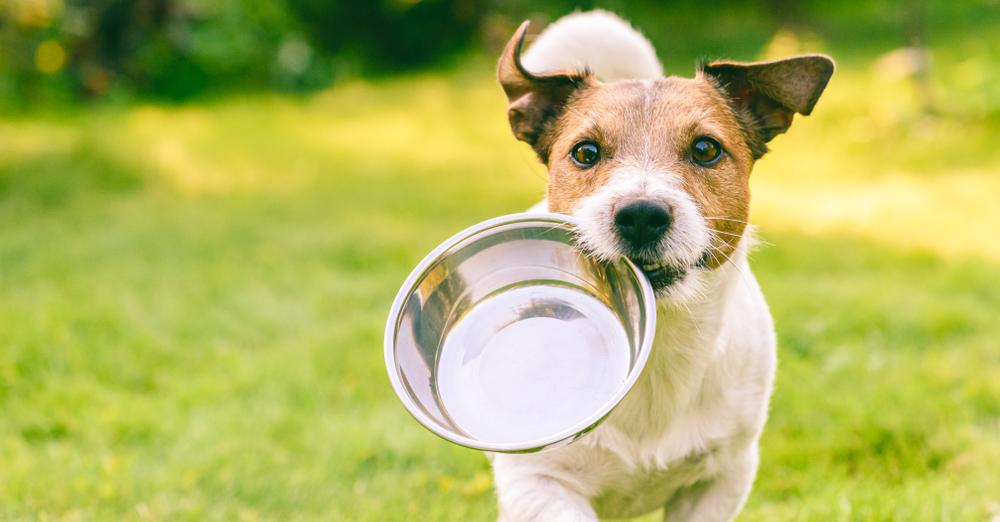
Newsweek’s latest report warns that if pet food bowls are not cleaned enough, they can become breeding grounds for bacteria, increasing the risk of gastrointestinal discomfort and cross-contamination between humans and pets; In Hong Kong’s hot and humid environment, it is recommended to prioritize easy-to-clean, non-porous, and durable food bowls, such as stainless steel or high-quality ceramics, and develop the habit of washing after every meal and cleaning the drinking bowl daily. BC Pets offers a wide range of pet food utensils to choose from, including stainless steel bowls, slow food bowls, diagonal bowls, and water dispensers.
Key Summary TL; DR:
- Food bowls themselves can also harbor bacteria: Research and veterinary reports indicate that pet bowls can accumulate bacteria, mold, and biofilms.
- Material matters: stainless steel is usually easier to clean and holds less dirt; Plastic and cracked ceramics are more likely to become hiding places for bacteria.
- Wet grains carry higher risks: When using wet grain, residues on the bowl surface are more likely to breed microorganisms, so cleaning frequency is higher.
- Cleaning habits determine risk: It is recommended to wash the food bowls after each meal, and the drinking bowls at least once a day.
- Hong Kong should pay attention to humidity and storage: High temperature and humidity increase the risk of contamination and spoilage, so food utensils and food must be kept dry.
- BC Pets offers related supplies: our online store offers a variety of food bowls, slow food bowls, diagonal bowls, and water dispensers, making it easy to choose according to your needs.
Newsweek cited Hartpury UniveRsity research pointing out that if pet food bowls are not cleaned properly over time, they can become breeding grounds for bacteria, even bringing contamination to countertops, hands, and household surfaces, exposing both pets and humans to digestive risks. This reminder is especially important for families in Hong Kong, as the local climate is hot and humid for a long time, making it easier for microorganisms to multiply in leftover food, moisture, and the gaps between the bowl walls.
As the pet supplies center in Hong Kong, BC Pets currently offers products under the “Pet Feeding Equipment” category, including food bowls, slow food bowls, diagonal bowls, double-linked bowls, water dispensers, and feeders, suitable for owners who want to improve feeding hygiene and dining experience all at once. The following report will use key news points combined with practical Hong Kong perspectives to provide a complete answer to “how the food bowl affects health” and “how should one choose?”
What is the news focus?
According to a Newsweek report, both research and veterinary opinions point to the same issue: if pet bowls are not cleaned thoroughly and regularly, they may harbor bacteria harmful to both pets and humans, such as Salmonella and Staphylococcus aureus, and may even form a biofilm that is difficult to remove. The report also points out that stainless steel bowls are generally considered a more hygienic choice for daily use, as their surfaces are smoother and easier to clean and disinfect.
| Risk sources | Possible impact | Reporting and research focus |
|---|---|---|
| A bowl that has not been washed for a long time | Accumulation of bacteria, mold, and biofilm | It can increase gastrointestinal discomfort and infection risk. |
| Plastic or scratched materials | Bacteria are more likely to hide in surface micropores | It is harder to clean thoroughly. |
| Leftover wet grain | It makes it easier for microorganisms to grow | High-frequency cleaning is especially necessary. |
| Shared space for pets and people | Cross-contamination | Bacteria can reach countertops, hands, and food preparation areas. |
Tip: If your pet always has oil film, canned residue, or food powder at the bottom of the bowl after eating, this isn’t just a ‘not tidy enough’ issue—it increases the chance of bacteria sticking and cross-contamination. The easier the bowl to clean, the easier it is to maintain long-term hygiene.
Why material matters
The material of the food bowl directly affects whether the surface is prone to scratches, oil absorption, and dirt accumulation. News and research both mention that plastics and ceramics become habitats for microorganisms after surface wear, cracks, or biofilm formation; Because stainless steel has a smoother surface, it is usually easier to clean with hot water, soap, or a dishwasher.
| Material | Advantages | Risks | Suitable for the context |
|---|---|---|---|
| Stainless steel | Durable, easy to clean, and harbors fewer bacteria | Inferior steel may get scratched or be indurable | Daily staple bowls, wet grain bowls. |
| Ceramics | Steady and attractive | Once cracked or cracked, the risk of bacteria harboring increases | Choose high-quality, crack-free, easy-to-clean products. |
| Plastic | Lightweight and affordable | Prone to scratches, odor retention, and bacterial retention | Short-term use or non-staple food uses are more common. |
| Silicone | Lightweight and foldable | Pay attention to food safety levels and cleaning methods | For outings, water bowls, and travel. |
Tip: For Hong Kong families, stainless steel is usually the easiest choice to maintain hygiene; If you prefer ceramics, regularly check for cracks, chipped corners, or glaze damage; replace them if any chips appear.
Wet food and cleaning frequency
Research cited by Newsweek and veterinary advice both mention that when using wet food, bowls tend to retain more oil and debris than dry food, increasing the risk of bacterial growth. This means that if your pet eats canned food, staple food packs, or semi-wet food for a long time, the bowl cleaning frequency shouldn’t be as conservative as that of dry food users.
| Feeding methods | Pollution risk | Recommended cleaning frequency |
|---|---|---|
| Dry rations | Average | Wash after every meal or at least once daily. |
| Wet grain | Higher | Wash immediately after each meal. |
| Dry and wet mixed feeding | Higher | Wash immediately after use to prevent residue from drying out. |
| Drinking bowl | Persistent pollution | Clean at least once a day. |
Tip: If your owner uses slow food bowls or double bowl designs, you need to scrub the grooves, corners, and dividers more carefully, as these areas tend to retain food debris and oil film. If cleaning isn’t thorough enough, even the best bowls can become a source of risk.
How to choose a pet owner in Hong Kong
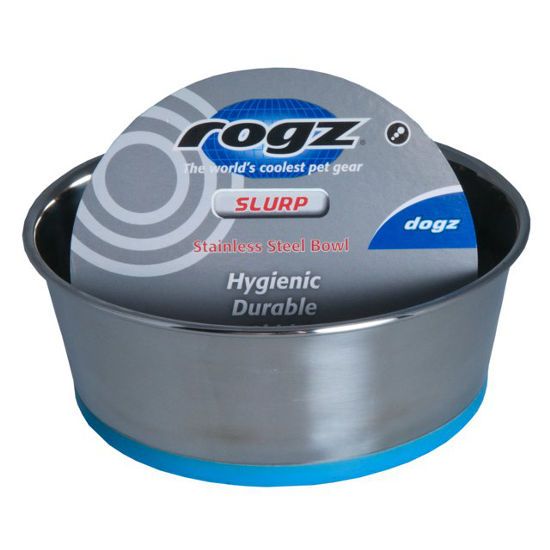
Hong Kong’s hot and humid climate means that if grain and water bowls are not properly cleaned, bacteria and mold can thrive more easily. BC Pets currently offers a variety of pet food containers, including the Super Series slow food bowls, round dual-use pet bowls, diagonal bowls, ROGZ stainless steel dog bowls, as well as various types of water and feeders, allowing you to choose according to your pet’s appetite, posture, and cleaning habits.
| Owner needs | The bowl style is more suitable | The reason |
|---|---|---|
| Worried about bacteria harboring or wanting easy cleaning | Stainless steel bowls | Durable, smooth surface, and easier to clean. |
| The furry kids eat too fast | Slow food bowl | Helps slow down eating speed and reduces wolfing. |
| Elderly dogs or those with neck and back difficulties | Slanted bowl / tall bowl | Eating posture is more comfortable. |
| Much of the family is cherished | Double-linked bowls or multipurpose bowls | Convenient for separating food and water to reduce confusion. |
| Going out or traveling | Portable water dispensers / bowls | Easy to clean and store. |
Tip: The thing Hong Kong people most often overlook isn’t buying the wrong bowl, but not establishing a cleaning process after buying it. Remember a simple principle: wash food bowls after each meal, wash water bowls daily, check ceramics for cracks, and disinfect stainless steel regularly. This can greatly reduce risks.
BC Pets Tableware Selection
BC Pets’ “pet food utensils” currently cover food bowls, slow food bowls, diagonal bowls, double bowls, feeders, water dispensers, and related accessories, making them very convenient for owners looking to upgrade their feeding environment all at once. For example, the Super Color Neutral Pet Slow Food Bowl, Super Round Color Dual-Use Pet Bowl, ROGZ Bowlz Anti-Slip Stainless Steel Dog Bowl, as well as various Catit water dispensers and replacement filters, can meet different household needs.
| Product types | BC Pets category example | Main uses | Reference price |
|---|---|---|---|
| Food bowls | Super Round Solid Color Dual-Use Pet Bowl | A staple food in daily life | Starting from HK$59. |
| Slow food bowl | Super Color-Solid Pet Slow Food Bowl | Slow down your eating speed | Starting from HK$54. |
| Stainless steel bowls | ROGZ Bowlz slip-resistant stainless steel dog bowl | Easier to clean and more secure | Starting from HK$98. |
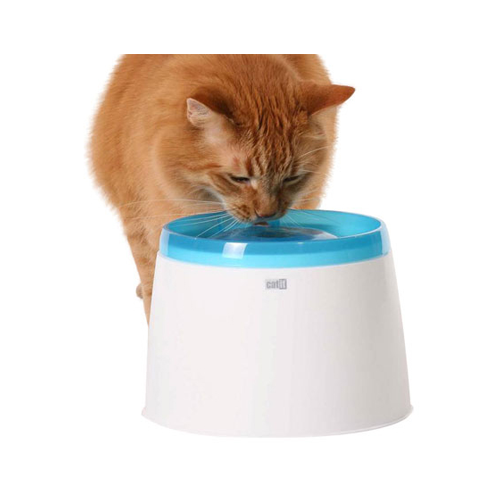
| Water dispenser | Catit Waterfall Water Dispenser, Homerun Water Dispenser | Enhances water intake and freshness | Please refer to the product page. |
From the brand’s perspective, if your top priority is to “reduce the risk of bacteria harboring,” you should first choose stainless steel or high-quality, easy-to-clean materials; If you want to balance health and dining habits, slow food bowls and tall bowls are definitely worth adding. For Hong Kong families, the key to tableware is not elaborate design, but hygiene, durability, and ease of washing.
FAQ
Can pet food bowls really make pets sick?
It’s possible. News and research indicate that food and water bowls left unwashed for long periods can accumulate bacteria, mold, and biofilm, increasing the risk of gastrointestinal discomfort, infections, and cross-contamination in the home. The level of risk depends on the material, feeding method, and cleaning frequency. Not every household will have an accident, but neglecting cleaning can certainly make problems worse.
Is a stainless steel pet bowl always the best?
In most cases, stainless steel is the most reliable choice for everyday use, as it has a smooth surface, is more durable, and easier to clean and disinfect. However, the premise is that you use food-safe products with no obvious scrapes; If the bowl is non-compliant or of poor quality, it may still be unsatisfactory. High-quality ceramics are also available, but cracks and cracks must be avoided.
How often should food bowls be washed?
Ideally, clean after each meal, especially on wet food or mixed wet and dry feeding. For water bowls, it’s recommended to wash them at least once a day, because the surface, saliva, and food residues all accelerate contamination. If your pet is a slow eater and tends to spill food on the edge of the bowl, you should clean more frequently.
Can plastic bowls continue to be used?
Yes, but not recommended as a long-term bowl of choice. Research and reports indicate that plastic surfaces are more prone to scratches, with tiny cracks that trap grease and bacteria, making cleaning more difficult. If you are temporarily using plastic bowls, replace them more frequently and watch for scratches, odors, or cloudy surfaces.
Are ceramic bowls safe?
High-quality, food-safe, crack-free ceramic bowls are a viable option, with a sturdy appearance and less likely to be knocked over. However, once ceramics crack or develop microcracks, they become hiding places for bacteria, increasing hygiene risks. Therefore, regular inspections are necessary, and any damage found should be replaced.
Is wet food more dangerous than dry food?
It’s not that wet food itself is dangerous, but its residue is more likely to stick to the surface of the bowl, and microorganisms usually grow faster, so cleaning requirements are higher. If you use staple food cans, cans, or fresh foods, remember to wash the dishes immediately after each meal and avoid leaving leftovers at the next meal.
What food bowls can you choose from at BC Pets?
BC Pets categorizes pet food utensils including food bowls, slow food bowls, diagonal bowls, double-linked bowls, stainless steel bowls, water dispensers, and feeders, catering to different pets and household needs. If you want to reduce the risk of storing mushrooms, start with stainless steel bowls; If you want to improve eating speed, you can check out slow food bowls; For elderly dogs or those with neck and back issues, diagonal bowls are more practical.
What makes a clean and safe pet bowl?
Simply put, the bowl surface should be smooth, free of cracks, no grease film, no odors, and it should be able to be quickly washed clean after each meal. Materials that are dishwasher safe or clean with hot water are usually easier to maintain hygiene. Combined with a consistent cleaning routine, both your pet and family will be safer.
Summary
The three most important things about this news for Hong Kong pet owners are: First, pet food bowls themselves can also pose health risks; Second, material and cleaning frequency matter more than appearance; Third, in Hong Kong’s hot and humid environment, choosing easy-to-wash and bacteria-resistant tableware is especially crucial. If you’re upgrading your feeding environment for your dog or cat, pet food bowls are not just supplies—they’re part of your daily health management.
Browse BC Pets pet food and beverage utensils now, from stainless steel bowls, slow food bowls, diagonal bowls to water dispensers, all in one place to find the right safe food for your pet, with online store, in-store service, and delivery across Hong Kong.
Disclaimer:BC Pets is the retailer of the product categories mentioned in this article, so the content includes both news analysis and purchase-oriented information; This article is mainly based on Newsweek reports, public research, and data compiled from the BC Pets website, combined with actual usage experience in the Hong Kong market.