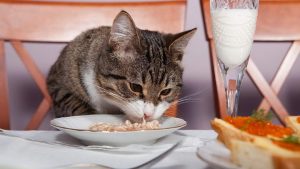
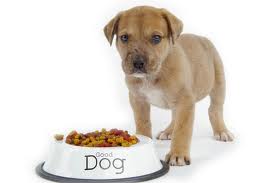
 The truth is that a dog’s body structure, digestive system and nutritional needs are all very different from ours, and some foods we enjoy are effectively a slow poison for dogs.
(1) Chocolate
Chocolate contains caffeine and theobromine. These are harmless to humans, but to animals they are poison, damaging a dog’s heart and central nervous system and causing heart disease or other fatal conditions. The purer the chocolate, the greater the danger to a dog. One pound of milk chocolate is enough to kill a sixteen-pound dog! A dog poisoned by chocolate will urinate frequently, have a racing heartbeat, drool heavily, vomit, suffer diarrhoea and may even fall into a coma. There is currently no antidote, and the only way out is for the dog’s own metabolism to clear the theobromine from its body. So never give a dog chocolate, or anything containing chocolate such as chocolate cake or ice cream.
(2) Onion
Some say onion has antiseptic properties, but for animals it is a poison. Whether raw or cooked, onion contains disulfide, which oxidises the red blood cells of cats, dogs and even cattle and horses, triggering haemolytic anaemia. This affects oxygen transport, so the body cannot produce enough oxygen. A dog poisoned by onion will become tired and listless, lose weight, and develop a film-like discharge around the gums and mouth.
(3) Strongly flavoured food
Dogs have a keen sense of taste, so their food does not need much seasoning. Feeding them strongly flavoured food only gets them used to heavy flavours, so they no longer accept plainer food. Bear in mind that half a teaspoon of salt is enough to take a dog’s life, and very spicy food can numb a dog’s sense of smell and dull that keen nose. Human food usually contains far more salt than an animal needs, so do not share your food with your dog.
(4) Fish bones and meat bones
Some people think bones are good for a dog’s own bones, and that since a dog’s teeth are strong they can simply be given bones to eat. In fact bones are very dangerous for dogs: a bone stuck in the throat can choke them, and splintered bones can injure the mouth and oesophagus. Even if the bone does not cause injury, it can lead to indigestion and constipation. If you want your dog to get the nutrients in bones, cook the bones until soft, or let your dog gnaw on a large bone to help remove tartar.
(5) Liver
Liver contains vitamin A, and a small amount of liver is good for a dog’s health, which is why many dog foods and treats include it. But too much liver causes vitamin A toxicity, leading to bone deformities, overgrowth of the elbow and spinal bones, weight loss, loss of appetite and similar symptoms. A dog should therefore not eat more than three chicken livers a week, and if your dog is already taking a vitamin A supplement, you should not feed liver on top of that.
(6) Raw eggs
Vitamin H is essential for a dog’s coat, skin and development. However, avidin in raw egg white depletes a dog’s vitamin H, causing a vitamin H deficiency. A dog with this deficiency will lose its coat, become weak, grow slowly and develop bone deformities. Raw eggs also carry bacteria such as salmonella, which dogs pick up very easily. Eggs are highly nutritious, with plenty of protein and other nutrients, but if you want to feed eggs to your dog, you must cook them first.
(7) Uncooked raw meat
Dogs hunt animals in the wild, but a dog’s immune system cannot cope with poultry raised on commercial feed. If a dog eats undercooked poultry, it can easily pick up salmonella and bacillus. A dog infected with salmonella will lose its appetite, run a high fever, suffer diarrhoea, become dehydrated and look listless, while a dog infected with bacillus will vomit, have diarrhoea and pass blood in its stools, and in serious cases may go into shock. To keep your dog safe from salmonella and bacillus, always cook meat before feeding it.
(8) Milk
Milk is rich in nutrients, but not every dog can drink it. Many dogs develop wind, diarrhoea, dehydration and skin inflammation after drinking milk, which are the signs of lactose intolerance. If your dog shows these symptoms after drinking milk, stop giving it and switch to lactose-free milk made for dogs.
(9) Food that is hard to digest or hard to swallow
A dog’s digestive system is not like ours. Foods people often eat, such as peanuts, beans, konjac and seafood, can cause indigestion in dogs, and dogs pick up parasites from seafood very easily. Also, do not give dogs rice cake or seaweed, as these foods easily get stuck in the throat and cause choking.
(10) High-fat, high-sugar food
Apart from chocolate, dogs should also avoid too many sweet or greasy foods, so that they do not get used to high-fat, high-sugar food. Just as with people, eating too much high-fat, high-sugar food leads to obesity in dogs and can even trigger diabetes.
#FoodsHarmfulToDogs #PetHealth #10FoodsHarmfulToDogs