
Is your dog allergic to certain meats? Skip the pricey blood test: the complete guide to the single-protein elimination method

Quick answer: If you suspect your dog is sensitive to a certain type of meat, don't get a blood test—not because it's expensive, but because it's inaccurate. The American College of Veterinary Dermatology (ACVD) does not recommend serum IgE/IgG food allergy testing, because it is a perfectly normal immune response for a healthy dog to produce antibodies to food proteins, giving an extremely high false-positive rate. As of 2026, the elimination diet trial remains the only validated method for diagnosing food sensitivity. The correct approach has 6 steps: Step 1: Rule out other causes first—flea allergy and environmental atopic dermatitis are far more common than food sensitivity; running a food trial before dealing with fleas is a waste of time. Step 2: Understand why blood tests are unreliable—serum, saliva and hair testing are none of them recognised by veterinary dermatology. Step 3: Choose a single animal protein your dog has never eaten before—beef (34%), dairy (17%), chicken (15%) and wheat (13%) are the most common allergens and should be avoided. Step 4: Follow it strictly for 8–12 weeks—during this period zero treats, zero human food, zero flavoured medications; one slip and you have to start counting again. Step 5: Confirm…

Continue ReadingIs your dog allergic to certain meats? Skip the pricey blood test: the complete guide to the single-protein elimination method

Common Dog Food Ingredient List Explained 2026 | Hong Kong dog food, natural dog food, and dog food all good—a complete guide to everything

To judge whether dog food is good, look at five things: 1) Is the primary ingredient named animal protein; 2) Whether crude protein and crude fat match the dog's age and activity level; 3) Whether there are complete AAFCO or FEDIAF nutritional standards; 4) Whether it contains clearly labeled fats, fiber, vitamins, and minerals; 5) Whether it comes from reliable sources. Generally speaking, high-quality natural dog food centers on clear animal protein, suitable fats, digestible carbohydrates, essential fatty acids, and complete micronutrients. Key Summary TL; DR: Let's look at the first ingredient: High-quality dog food usually prioritizes well-known animal proteins such as chicken, salmon, and lamb. Adequate protein: Adult dogs generally consume about 20–25%, while puppies typically require higher protein to support growth. Fat is an energy source: Fat provides energy, helps absorb fat-soluble vitamins, and also affects the condition of hair and skin. Fewer carbohydrates are not always better: it depends on the source and digestibility. Sweet potatoes, brown rice, oats, and other foods are commonly found in natural formulas. Complete nutrition is most important: staple dog food should have AAFCO or FEDIAF complete and balanced claims. In Hong Kong, pay attention to storage: high temperature and humidity accelerate…

Continue ReadingCommon Dog Food Ingredient List Explained 2026 | Hong Kong dog food, natural dog food, and dog food all good—a complete guide to everything

Fish4Dogs Natural Dog Food: The Complete Hong Kong Buying Guide

  • Post last modified:2026-08-29
  • Post category:Dog Food Database

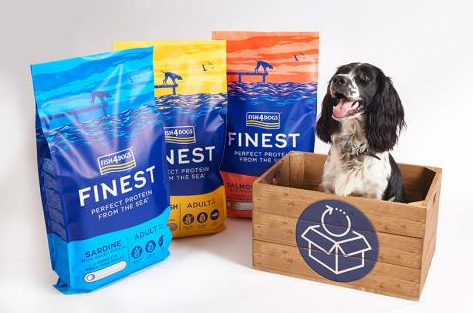
If you're doing your homework on "dog food recommendations", Fish4Dogs dog food is a British natural dog food brand that uses fish as its single animal protein, making it especially suitable for dogs with sensitive skin, easily upset stomachs or those needing a glossier coat. Keep 4 key points in mind when buying: ① check the protein source (a single fish protein is the lowest-allergen); ② confirm whether it's a grain-free formula; ③ match the life stage (puppy/adult/senior/weight control); ④ pick the right kibble size and palatability (choose small bites for small or fussy dogs). BC Pets currently offers 7 Fish4Dogs natural dog food varieties, priced from HK$178, all genuine local-market goods, with free delivery Hong Kong-wide on orders over HK$350. Three popular picks: Salmon Grain-Free Low-Allergen Adult Formula (glossy coat), Deep Sea Cod Low-Allergen Adult Formula (top choice for sensitive stomachs), and Superior Weight Control & Senior Formula (suitable for older or overweight dogs). Key summary (TL;DR): Single fish protein, lowest-allergen: The entire Fish4Dogs range uses fish as its only animal protein, naturally free of common allergens (beef, chicken, dairy), suitable for dogs with food sensitivities. Natural Omega-3 for skin and coat: Fish is naturally rich in Omega-3 fatty…

Continue ReadingFish4Dogs Natural Dog Food: The Complete Hong Kong Buying Guide

AFCD Pet Food Safety Guidelines: The Complete Guide to Choosing, Buying and Storing Food for Hong Kong Cat and Dog Owners

Hong Kong's Agriculture, Fisheries and Conservation Department (AFCD) officially published the 《Pet Food Safety Guidelines》 in June 2026, offering advice for pet food manufacturers and traders as well as for pet owners. For Hong Kong cat and dog owners, these guidelines are like an official textbook on "choosing, buying and storing food". BC Pets breaks down the key points and adds practical tips, so your furry friends can eat safely and stay healthy. 1. What counts as a "safe" pet food? According to the guidelines, a safe pet food should be of good and consistent quality, and is generally cooked or heated to a high enough temperature to kill bacteria and prevent pet food poisoning. If it is a staple food, it must also be able to provide all the nutrients your pet needs. 👉 When buying a staple food, check whether the packaging is labelled "Complete & Balanced" or similar wording; this is an important indicator that the staple food meets nutritional requirements. 2. Dry food, wet food, fresh food, raw food — how do they differ? There is a huge variety of pet foods on the market. Using cats and dogs as examples, the guidelines briefly introduce the…

Continue ReadingAFCD Pet Food Safety Guidelines: The Complete Guide to Choosing, Buying and Storing Food for Hong Kong Cat and Dog Owners

Buying Cat and Dog Food in Hong Kong: Genuine Local Goods vs Parallel Imports vs Mainland Online Shopping (Taobao/Pinduoduo) — Which Is Best? (2026)

Quick answer:In Hong Kong there are three main sources of cat and dog food — genuine local goods (imported by authorised agents, with a local guarantee and after-sales support), parallel imports (parallel imports, cheaper but with no local warranty or quality guarantee), and mainland online shopping (Taobao, Pinduoduo — the lowest price but the highest risk). Weighing safety and protection overall, genuine local goods are the safest, parallel imports come next, and mainland online shopping carries the greatest risk. The main worries with mainland online shopping are: counterfeit goods, cross-border shipping without temperature control letting food spoil in Hong Kong's heat and humidity, regional formula and labelling differences, and the near impossibility of seeking redress if something goes wrong. Selection principle: make genuine local goods your first choice; if you are considering parallel imports or online shopping, always check the batch and expiry date, watch out for suspiciously low prices, and accept the risk of having no local after-sales support. Key summary (TL;DR): Pet food in Hong Kong is "unregulated":Local law generally does not regulate the production, import or distribution of pet food, so safety mainly depends on how trustworthy the source is. Genuine local goods = protected:Imported by authorised…

Continue ReadingBuying Cat and Dog Food in Hong Kong: Genuine Local Goods vs Parallel Imports vs Mainland Online Shopping (Taobao/Pinduoduo) — Which Is Best? (2026)