
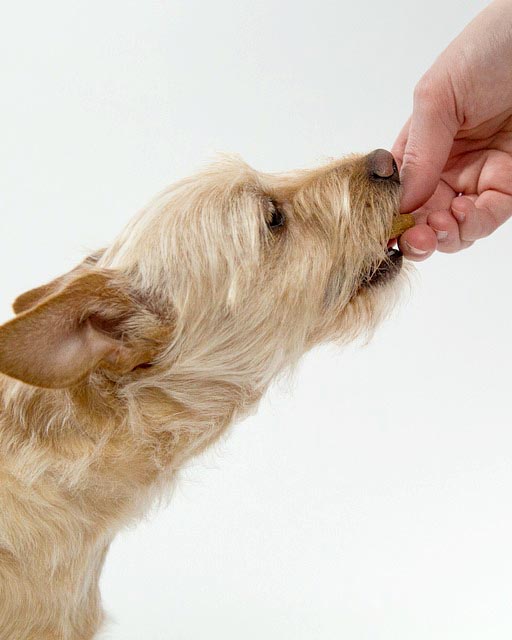
Quick answer: Dogs can eat freeze-dried and air-dried meats, meat purées, biscuits and some dental treats made specifically for dogs, but you should first check the ingredients, protein source, calories, hardness and size. For training, choose small treats that are easy to break up and that your dog loves; for sensitive dogs or those undergoing a veterinary elimination-diet trial, confirm the protein source first and feed according to your vet’s advice. All treats combined should generally not exceed 10% of a dog’s total daily calories.
Key points:
- Everyday rewards: Choose small, easy-to-bite dog treats that separate easily — better suited to training use.
- Low-allergen choices: Read the full ingredient list first, and choose a suitable single or fewer-protein source based on your dog’s past dietary record.
- Portion control: Treats should count toward daily total calories — being “natural” or “freeze-dried” is no reason to feed them without limit.
- Dental treats: These can be part of daily interaction, but should not be seen as a full substitute for tooth brushing or veterinary dental care.
- Safety first: Avoid chocolate, grapes and raisins, onion, garlic, xylitol, and foods that are too hard or shatter easily.
Whether training recall, sit and wait, or interacting with your furkid day to day, dog treats are a reward tool many Hong Kong dog owners rely on. However, there are many kinds of dog treats on the market — freeze-dried, air-dried meats, meat purées, biscuits, dental treats and tendon/chew treats — and you can’t choose based only on the words “natural”, “grain-free” or “low-allergen” on the packaging.
BC Pets’ dog treat category covers freeze-dried and dehydrated, air-dried, meat, biscuit, meat purée / mousse, dental / tendon-chew and functional treats, and includes different brands and product lines such as Iseya, Stella & Chewy’s, Fish4Dogs, DogCatStar, A Freschi Srl and Absolute Holistic, making it easy for owners to compare by purpose and by their dog’s needs. View the BC Pets dog treat category.
What treats can dogs eat?
Generally, dogs can eat commercial dog treats that are labelled for canine use, have clear ingredients, and suit their age and body size. Common types include freeze-dried meats, low-temperature air-dried meats, soft meat purées, dog biscuits, dental treats and chew treats. Different types suit different situations, and the selection criteria for training treats differ from those for treats you let a dog chew slowly.
| Treat type | Common uses | Key buying points | Better-suited situations |
|---|---|---|---|
| Freeze-dried / dehydrated meats | Everyday rewards, food topper, or training | Check the meat source, size, feeding method and storage requirements | Dogs that love a meaty aroma and need higher-value rewards |
| Low-temperature air-dried meats | Everyday treats and rewards while out | Note the hardness, fat content and whether it breaks into small pieces easily | Daily walks or home training |
| Meat purée / mousse | Interaction, help with giving medication, or special rewards | Check the protein source, sodium content and feeding portion | Dogs that need to lick, chew with difficulty, or prefer a moist texture |
| Dog biscuits | Everyday rewards | Note the size, calories and ingredients of each piece | Suitable for dogs that accept a drier texture |
| Dental / tendon-chew type | Chewing and daily interaction | Choose a suitable size; avoid products that are too hard, sharp, or easily swallowed whole | Dogs that need supervised chewing |
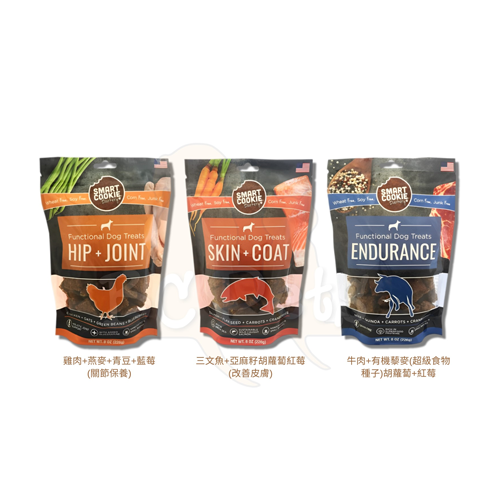
Buying tip: “Freeze-dried”, “natural” or “grain-free” does not mean suitable for every dog. The actual choice still has to match your dog’s age, size, health, main-meal formula and known sensitivity history.
Which treats should you choose for training your dog?
The most important thing about a training treat is not what’s written on the packaging, but whether the owner can deliver the reward quickly, accurately and in the right amount. Ideal training treats are usually small, can be split into smaller pieces, are eaten immediately, and don’t interrupt training for long.
| Training situation | Better-suited treat characteristics | How to use |
|---|---|---|
| Basic puppy training | Small, soft and easy to bite | Give only a small piece each time, paired with a verbal or hand-signal reward |
| Outdoor recall training | A stronger aroma that the dog especially loves | Use only when high-value behaviour occurs, to avoid the dog losing interest |
| Long practice sessions | Low-calorie, and can be cut or easily split | Split one piece into several to control the calories over the whole session |
| Waiting quietly or staying in a designated spot | Doesn’t crumble easily and can be given slowly | Reward in stages while the dog maintains the correct behaviour |
| Simple indoor commands | Everyday treats of medium value | Save higher-value treats for harder environments or behaviours |
Owners can set different reward tiers based on training difficulty. For example, practising “sit” at home can use small biscuits or everyday meat pieces; when facing other dogs, vehicles or more noise outdoors, use freeze-dried or meat purée that the dog finds more exciting. This helps avoid using high-calorie treats for every simple behaviour.
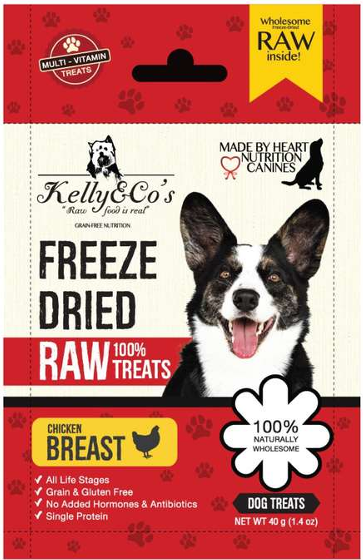
Training tip: Rewards should be given as soon as possible after the dog completes the target behaviour, on the principle of small amounts given many times. If the dog is already full, uninterested in the treat, or the environment is too stimulating, lower the training difficulty first rather than continually increasing the amount of treats.
BC Pets’ dog treat category offers freeze-dried, meat, meat purée / mousse and biscuit choices, so owners can pick styles suited to daily training by treat size, texture and their dog’s preference. Shop dog training treats.
How do you choose low-allergen dog treats?
“Low-allergen” is not a fixed formula that suits all dogs; it has to match the ingredients an individual dog has been exposed to and its actual reactions. If a dog has persistent itching, recurring ear infections, skin problems or digestive upset, you shouldn’t judge whether it’s a food allergy on your own just by switching treats — check the possible causes with a vet first.
The Merck Veterinary Manual notes that food allergies in dogs usually need to be evaluated through a vet-arranged restricted diet or hydrolysed-protein diet; during an elimination diet, besides the main meal, treats, table food, flavoured medications and other items taken by mouth can also affect the test results. View the Merck Veterinary Manual’s information on dog allergies.
| Item to check | What to look at | Common mistakes |
|---|---|---|
| Protein source | Identify chicken, beef, fish, duck, lamb, rabbit or other animal ingredients | Looking only at the product name and ignoring other meats or animal ingredients in the ingredient list |
| Number of ingredients | The clearer the ingredients, the easier it is to track your dog’s reactions | Treating “natural” as if it means “won’t cause sensitivity” |
| Dog’s past diet | Record the main meals, treats and human foods the dog has eaten | Choosing a protein the dog has eaten a lot of while calling it a novel protein |
| Mixed feeding | During a sensitivity test, control everything eaten as directed by the vet | Assuming a small treat, dental bone or meat purée “should make no difference” |
| Physical reactions | Record changes such as itching, ears, skin, vomiting, soft stools or diarrhea | Drawing a conclusion after observing for only a day or two |
Low-allergen tip: If your dog is undergoing a vet-arranged elimination diet, don’t add ordinary freeze-dried treats, dental bones, meat purées or other treats on your own. Even a small amount can make the test results hard to interpret.
BC Pets’ dog treat category includes products with different meats and protein orientations such as duck, rabbit, turkey and fish, but whether a product suits an individual sensitive dog must be judged by the full ingredient list, the dog’s past dietary record and veterinary advice.
Comparing freeze-dried, air-dried and meat-purée treats
Different production methods affect texture, convenience, storage and training use. No single form suits all dogs; the most practical approach is to choose by feeding situation and your dog’s needs.
| Type | Main advantages | Possible limitations | Buying and use suggestions |
|---|---|---|---|
| Freeze-dried | A more pronounced aroma; some products break into small pieces easily | Some products crumble more easily, so watch the portion when feeding | Suitable for everyday rewards, training or as a food topper; feed according to the product label |
| Low-temperature air-dried | Easy to carry, and usually a drier texture than meat purée | Hardness and fat content vary quite a lot between products | Suitable for outings or everyday rewards; choose first by your dog’s chewing ability |
| Meat purée / mousse | Moist and easy to lick, usable as an interactive reward | Higher storage requirements after opening, and messier to feed | Suitable for special rewards, licking interaction, or when soft food is needed |
| Biscuits | Easy to separate and carry; some dogs like the crunchy texture | Size and calories vary noticeably, and some dogs may not chew them easily | Suitable for everyday rewards; check the calories and recommended portion per piece |
Examples currently visible on the BC Pets category page include Iseya Pure Duck Fillet, Iseya freeze-dried chicken / duck cubes, Stella & Chewy’s lamb, rabbit, beef and turkey freeze-dried raw dinner patties, Gourmate New Zealand freeze-dried salmon belly trim, Fish4Dogs cod skin twists, Japanese premium soy-milk alphabet biscuits, and DogCatStar gum-free pure meat purée. Whether a product suits your dog should still be judged by the ingredients, specifications and feeding instructions on each product page. View the current dog treat products.
Comparison tip: Don’t judge a product as necessarily healthier just because it’s “freeze-dried” or “air-dried”. What really needs comparing is the ingredients, protein source, calories, feeding portion, storage method and your dog’s own needs.
How many treats can a dog eat per day?
The World Small Animal Veterinary Association (WSAVA) recommends that dog treats should not exceed 10% of total daily calories, and that treats should not replace a complete, balanced main food. Treats, chews, some supplements and food used to give medication should all be counted as part of the extra calories. View the WSAVA dog treat guidelines.
| Dog’s weight | WSAVA-listed reference upper limit of treat calories for a typical adult dog | Notes |
|---|---|---|
| 2 kg | About 14 kcal | Suitable for very small reward portions |
| 4 kg | About 24 kcal | Watch especially for high-calorie jerky and cheese-type treats |
| 10 kg | About 47 kcal | Count all treats within a day together |
| 20 kg | About 79 kcal | Actual needs still depend on age, activity level and physical condition |
| 30 kg | About 108 kcal | A single large chew treat may already account for a considerable share |
| 40 kg | About 134 kcal | Check the calories on the packaging or ask the manufacturer |
The above is a reference for average, healthy, ideally-conditioned adult dogs, not an individual prescription for every dog. Puppies, senior dogs, overweight dogs, less active dogs, and dogs with pancreatitis, diabetes, kidney disease or other special dietary needs should have their treat types and portions decided with the help of a vet or veterinary nutrition team.
Portion tip: After buying dog treats, first check whether the packaging lists calories per piece or per gram; if not, ask the manufacturer. During training you can cut one treat into several pieces and reduce the main meal accordingly, rather than adding extra calories to the whole day.
Are dental and tendon-chew treats safe?
Dental or tendon-chew treats can provide chewing and interaction opportunities, but that doesn’t mean all hard products are safe. WSAVA warns that bones, overly hard chews, antlers, hooves and treats with sharp edges can cause tooth damage, choking or digestive-tract obstruction; dogs should be supervised while eating chews, and you should choose a size suited to their body size and chewing ability. View the WSAVA treat safety guidelines.
| Item to check | What to watch when buying |
|---|---|
| Size | Should not be small enough to swallow whole, nor so large it’s hard to chew safely |
| Hardness | Avoid products that are too hard, sharp, or that you can’t dent with your fingers |
| Dog’s habits | Dogs that gulp food need stricter supervision and may not suit large whole chews |
| Feeding environment | Feed in a quiet place with no pressure to guard food, avoiding competition among multiple dogs |
| Reaction after eating | If coughing, gagging, vomiting, abdominal pain or difficulty swallowing occurs, stop immediately and seek veterinary help |
BC Pets’ dog treat category includes dental / tendon-chew dog treats, such as A Freschi Srl natural knotted turkey-tendon bones, turkey-tendon donuts and turkey-tendon sticks. The size, weight and recommended use of these products may differ, so read the product-page information before buying and choose by your dog’s body size and chewing habits.
Safety tip: Dental treats cannot replace tooth brushing, oral checks or veterinary dental care. Any chew treat should be given under the owner’s supervision; if your dog has dental, swallowing or digestive problems, check with a vet first.
What treats can’t dogs eat?
Don’t treat human snacks directly as dog treats. Items the US Food and Drug Administration lists as dangerous to pets include chocolate, caffeine, grapes and raisins, onion, garlic, macadamia nuts, xylitol, alcohol, raw yeast dough, and overly salty or high-fat foods. View the FDA pet food safety information.
| Food or ingredient | Why to avoid it | What to do |
|---|---|---|
| Chocolate and cocoa | Contains theobromine and caffeine, which are harmful to dogs | Do not feed; if accidentally eaten, contact a vet immediately |
| Grapes and raisins | May cause serious health problems, including kidney damage | Don’t wait for symptoms; seek veterinary advice as soon as possible |
| Onion, garlic, chives and other allium plants | May damage red blood cells and cause digestive problems | Don’t feed them on your own even in cooked, dehydrated or seasoned form |
| Xylitol | May appear in sugar-free gum, candy, toothpaste and some foods | Read human-food labels and keep it away from your dog |
| Bones and overly hard chews | May cause tooth damage, choking or digestive-tract obstruction | Choose suitable products and supervise throughout |
Emergency tip: If your dog accidentally eats chocolate, grapes, raisins, xylitol, onion or other potentially harmful foods, don’t induce vomiting yourself and don’t just wait for symptoms; note the food’s name, amount and time, and contact a vet or emergency animal hospital immediately.
BC Pets dog treat selection suggestions
| Dog or use situation | Types to consider first | BC Pets category examples | What to note when choosing |
|---|---|---|---|
| Everyday training | Small freeze-dried, meat pieces or biscuits | Freeze-dried / dehydrated and biscuit dog treats | Easy to split, and count the daily calories |
| Dogs that love a meaty aroma | Freeze-dried or air-dried meats | Meat and air-dried dog treats | Check the protein source and storage method |
| Need a soft texture | Meat purée or mousse type | Meat purée / mousse dog treats | Store as required on the packaging after opening |
| Need chewing interaction | Dental or tendon-chew type | Dental / tendon-chew dog treats | Choose the size by body size and supervise eating |
| Dogs that need to watch for a specific protein | Meat treats with clearer ingredients | Filter by the protein source on the product page | If doing an elimination diet, you must follow the vet’s instructions |
BC Pets buying advice: If the main purpose is training, prioritise freeze-dried, meat pieces or biscuits that split easily into small pieces; if your dog only accepts soft food, consider meat purée or mousse; if you want to provide chewing activity, choose dental or tendon-chew products by body size under supervision. For dogs suspected of food sensitivity, record the protein source and check with a vet first, then choose products that fit the dietary plan.
Browse BC Pets Dog Treats now and choose the right reward treat for your dog by category — freeze-dried, meat, air-dried, biscuit, meat purée / mousse, and dental / tendon-chew.
Frequently Asked Questions (FAQ)
What treats can dogs eat?
Dogs can eat freeze-dried, air-dried meats, meat purées, biscuits or dental treats that are labelled for canine use, have clear ingredients, and suit their age, size and health. When choosing, check the protein source, calories, size, hardness and storage method. If your dog has food sensitivities, a chronic illness, or is on a prescription diet, confirm suitable treat types with a vet first.
What treats should I use for dog training?
For training, choose small treats that split easily and that your dog will eat immediately, such as small meat pieces, freeze-dried crumbs, soft treats or cut-up biscuits. Simple commands can use ordinary everyday rewards; only use the high-value treats your dog especially loves for outdoor recall or when facing bigger distractions, and control the total daily portion.
How many treats can a dog eat per day?
WSAVA recommends that dog treats should not exceed 10% of total daily calories, and that treats should not replace a complete, balanced main food. The actual portion should be adjusted by the dog’s weight, age, activity level, body condition, main-meal calories and health. Freeze-dried treats, jerky, dental bones, meat purées and training rewards all need to be counted together.
What treats can low-allergen dogs eat?
There is no single answer for low-allergen dog treats; first check the proteins your dog has eaten before, then choose by the ingredient list. If your dog is undergoing a vet-arranged elimination-diet trial, all treats, dental items, table food and flavoured medications can affect the results — you can’t add an ordinary low-allergen treat on your own, and must feed according to the vet’s prescribed diet plan.
Are freeze-dried dog treats healthy?
Freeze-dried dog treats can serve as rewards or everyday treats, but “freeze-dried” doesn’t mean necessarily low-calorie, complete and balanced, or suitable for all dogs. Before buying, check the protein source, ingredients, calories, feeding suggestions and storage method. Freeze-dried treats are still extra food, should count toward daily treat calories, and cannot replace a complete main food.
Can dogs eat treats every day?
Healthy dogs can have a small amount of treats daily with controlled portions, but treats should not exceed 10% of total daily calories, nor affect main-meal intake or ideal weight. If your dog is overweight, has low activity, has pancreatic or digestive disease, or is on a prescription diet, confirm with a vet first whether daily treats are suitable.
Can dogs eat dental bones?
Dental bones or tendon-chew treats should be chosen by your dog’s body size, chewing style and the product size, and given under the owner’s full supervision. Products that are too hard, sharp, or easily swallowed whole may cause tooth damage, choking or digestive-tract obstruction. Dental treats cannot replace brushing and veterinary oral checks; if your dog has dental or swallowing problems, consult a vet first.
What foods can’t dogs eat?
Dogs should not eat chocolate, grapes and raisins, onion, garlic, chives, xylitol, alcohol, caffeinated drinks, macadamia nuts, raw yeast dough, and some high-fat or overly salty foods. These ingredients can cause poisoning, digestive problems or other serious complications. If your dog eats them by accident, contact a vet immediately and don’t induce vomiting yourself.
Conclusion: three principles for choosing dog treats
First, choose dog treats by purpose: training needs small, easy-to-split rewards; daily interaction can use freeze-dried, air-dried or meat purée; and chewing activity requires special attention to size, hardness and supervision.
Second, choose low-allergen dog treats by ingredients and your dog’s individual needs. Don’t look only at the words “natural”, “grain-free” or “low-allergen” — read the full ingredient list and record the protein sources your dog has eaten.
Third, control portions and ensure food safety. Dog treats combined should generally not exceed 10% of total daily calories, and you should avoid chocolate, grapes and raisins, onion, garlic, xylitol and overly hard chews.
Shop BC Pets dog treats now and choose the right dog treats by your dog’s training needs, texture preference, protein source and chewing ability.
Disclosure of interest and disclaimer: BC Pets Supplies Centre is the retailer of the products introduced in this article, so this article may contain product recommendations and commercial promotion. Product categories and page-displayed information follow the BC Pets dog treat category page; nutrition and feeding principles reference the World Small Animal Veterinary Association (WSAVA), food-sensitivity information references the Merck Veterinary Manual, and food-safety information references the US Food and Drug Administration (FDA). Product prices, stock, offers, specifications and delivery information may change; before buying, rely on the individual product pages and the latest official information. This article is for general educational purposes only and cannot replace a veterinary diagnosis or individual nutritional advice; if your dog has allergies, persistent itching, vomiting, diarrhea, obesity, a chronic illness or has eaten harmful food, please consult a qualified veterinarian as soon as possible. If you find that information in this article needs correcting, please contact the merchant through the BC Pets official website.