Getting ready to welcome your first cat is exciting, but the first question most new cat owners ask is: how much does it cost to keep a cat in Hong Kong? In reality, owning a cat is not just about buying food and cat litter – you also need to think about start-up supplies, medical care, day-to-day spending and long-term care arrangements. Budgeting early is what keeps your cat comfortable and lets you enjoy the experience with peace of mind.
This article sets out, in the most practical way possible, the start-up costs of keeping a cat in Hong Kong, the monthly spending, an essential supplies checklist, and the difference between adopting and buying. Whether you are about to bring a cat home or still comparing your options, you can take in all the key points in one go.
If you are searching for beginner information on cat care, this article is written for you. By the end you will know not only what to buy, but also how to plan your budget, so you avoid that moment after bringing your cat home when you realise there are still several things you need.
What do new cat owners need to prepare?
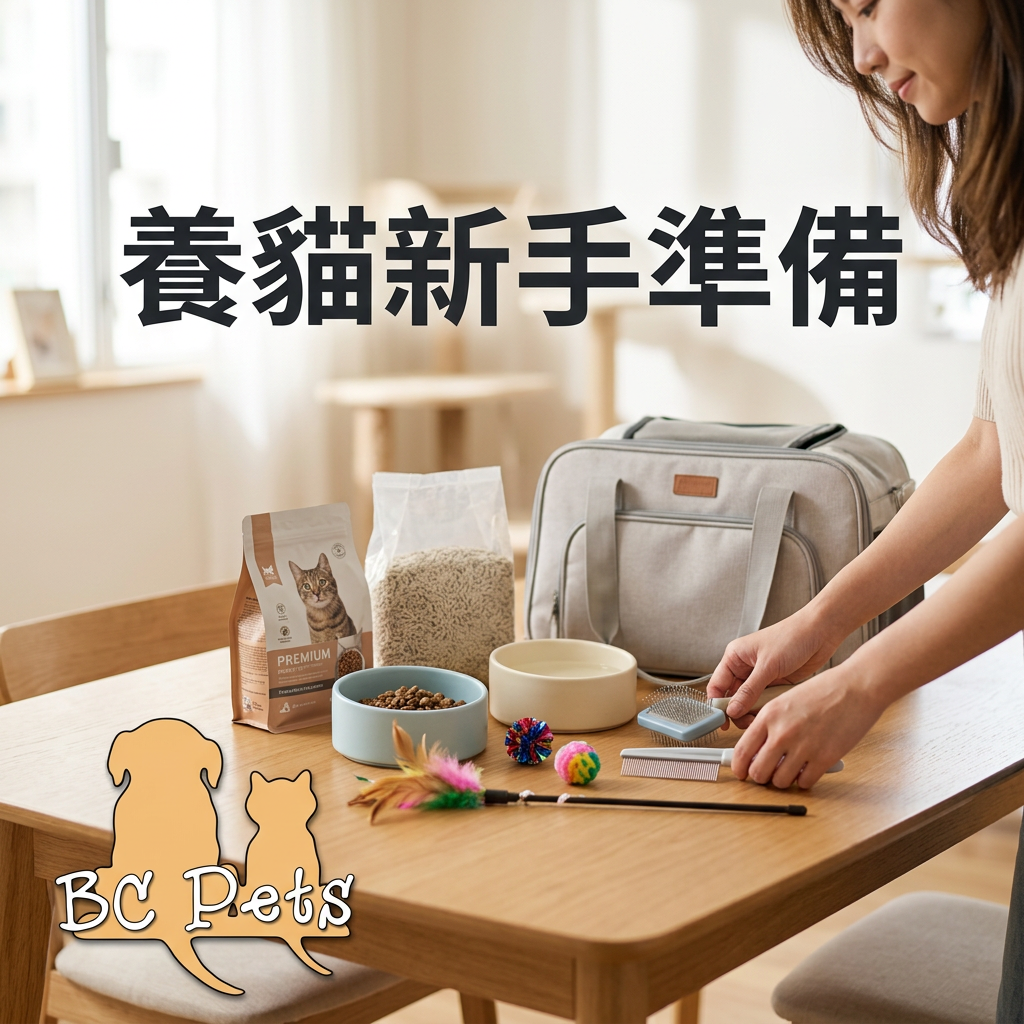
How do you get everything ready in one go? The safest approach is to start with five areas: housing, food, everyday items, cleaning and health. Here is the most basic essential supplies checklist to sort out before your cat arrives:
- Cat food: dry food, wet food or complete canned food.
- Food bowl, water bowl or water fountain.
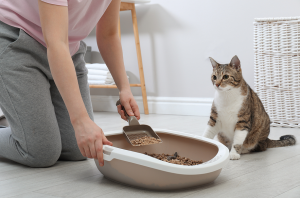
- Litter tray and cat litter.
- Scratching pad or scratching post.
- Carrier bag or cat crate.
- Cat teaser wand and toys.
- Grooming brush, wet wipes and cleaning products.
- Pee pads, a cat bed and blankets if needed.
- A budget for vaccination, deworming and a basic health check.
What new cat owners most often overlook are the small consumables – cat litter, wet food, pee pads and odour removers. Individually they do not seem like much, but together they become a fixed monthly cost. It is best to get everything in one go rather than rushing out to buy extras after your cat is already home.
How much does it cost to keep a cat in Hong Kong?
Why work it out in advance? Because the initial outlay and the monthly spending differ enormously, especially in Hong Kong rental flats, where space, medical care and the quality of your supplies all affect the total budget. Generally speaking, the one-off start-up costs cover roughly the following items:
| Item | Estimated cost (HK$) | Notes |
|---|---|---|
| Litter tray and litter scoop | 100–300 | Basic cleaning supplies |
| Food bowl, water bowl or water fountain | 80–500 | Depends on the style |
| Carrier bag / cat crate | 150–800 | Essential for bringing your cat home |
| Scratching pad / post | 80–500 | Protects your furniture |
| First lot of cat food / wet food | 200–600 | Depends on brand and quantity |
| Toys and a cat bed | 100–500 | Builds a sense of security |
| Vaccination, deworming, health check | 500–2,000+ | Depends on health needs |
| Adoption / purchase fee | 0-several thousand | Depends on the source |
Overall, many people find there is no single answer to how much it costs to keep a cat in Hong Kong, because the gap between budget entry-level items and higher-quality supplies can be very wide. For a typical beginner set-up, it is more comfortable to set aside at least HK$2,000 to HK$5,000 for the initial budget.
How do you work out a monthly budget?
What should you watch out for? It does not end once you have bought the first round of supplies – the real long-term test is the fixed monthly spending. Here is a common monthly budget guide:
| Item | Monthly budget (HK$) | Description |
|---|---|---|
| Cat food / wet food | 300–900 | Main meals and everyday food |
| Cat litter | 100–250 | Depends on the type and amount used |
| Treats / supplements | 50–200 | Not essential but common |
| Cleaning products | 50–150 | Odour removers, wet wipes and so on |
| Health reserve fund | 100–300 | Deworming and minor everyday ailments |
| Total | 600–1,800 | Depends on how you care for your cat |
If you want to know what a reasonable figure is for how much it costs to keep a cat in Hong Kong, start by planning around two versions: a “basic” one and a “comfortable” one. The basic version covers everyday needs, while the comfortable version adds higher-quality main meals, more toys, a water fountain and regular health care. For beginners, setting aside HK$800 to HK$1,500 a month is realistic.
Adopt or buy?
Why does this step matter so much? Because where your cat comes from affects the initial cost, the health risks and how you care for it afterwards. Here is a simple comparison:
| Item | Adoption | Purchase |
|---|---|---|
| Initial cost | Usually lower | Usually higher |
| Health information | Depends on what the organisation provides | Depends on the source |
| Choice of breed | More limited | Wider |
| Best suited to | People who want to give a stray cat a new home | People who want a specific breed or age |
| Social impact | Supports animal welfare | Depends on the breeder and where you buy from |
Adoption suits families who want to give a cat a second chance, and the entry cost is usually lower; buying suits people who need a specific breed or want to know more about the cat’s background. Whichever route you take, the most important thing is a reliable source, a healthy cat, and enough time on your part to care for it. BC Pets has set up a pet adoption database where you can look for a pet that suits you.
What are the key points of cat care?
How do you help a new cat settle in faster? Set up a quiet corner first, with fixed places to eat, use the litter tray and rest. A newly arrived cat usually needs time to observe its surroundings, so do not chase it around for cuddles – build its sense of security with food, familiar scents and a steady daily routine.
Cat care is not just about feeding. It also covers regular brushing, cleaning the litter tray, keeping an eye on water intake, watching stool condition, and arranging vaccinations and deworming. If you are a new cat owner, start with the simple daily basics and gradually build a complete care routine.
Recommended by BC Pets
If you are getting supplies ready for a new cat, it is worth heading to BC Pets first to pick up the basics, sorting out everything from cat food and litter to outing gear in one trip. You can also start by looking at the cat supplies suited to beginners, then add more as your budget allows.
Final thoughts
Working out your budget before you get a cat is where responsible ownership really begins. Once you have a handle on the start-up supplies, the monthly spending and the difference between adopting and buying, keeping a cat in Hong Kong can be perfectly manageable. Start putting your shopping list together now, then head to BC Pets to choose your first batch of supplies and give your cat a safe, comfortable new home.
New Cat Owner FAQs
Q1: What should a new cat owner buy first?
The first things to get are cat food, a litter tray, cat litter, food and water bowls, a carrier bag, and a quiet spot where your cat can rest. These are the most basic starter items and they help your cat settle into its new environment faster.
Q2: How much is enough to keep a cat in Hong Kong?
It depends on the quality of supplies you choose and your cat’s health needs. As a general guide, set aside HK$2,000 to HK$5,000 for the initial budget, then around HK$800 to HK$1,500 a month to be on the safe side. If you go for higher-quality main meals, litter or health products, spending will rise accordingly.
Q3: Should a new cat owner adopt or buy?
If you want lower start-up costs and would like to support animal welfare, adoption is a good choice; if you have specific requirements for breed, age or appearance, buying may suit you better. Whichever you choose, the most important thing is a reliable source and enough time to care for your cat. BC Pets encourages adoption over purchase.
Q4: What matters most once the cat is home?
The most important thing is to let it get used to the environment without too much disturbance. Set up fixed places for eating, the litter tray and resting so your cat builds a sense of security, then gradually increase your interaction.
Q5: Is feeding all there is to cat care?
No. Besides feeding, cat care also includes cleaning the litter tray, providing clean drinking water, regular brushing, watching stool condition, and arranging vaccinations and deworming. All these everyday details affect your cat’s health.
Q6: How do I know whether I am prepared enough?
Start by going through the essential supplies checklist, then work out your start-up costs and monthly spending. If you have the basics ready, your budget planned, and time to spend with and care for your cat, you are in good shape.