Dog Care Tips: Understanding Dog Behaviour and Body Language
  • Post last modified:2015-11-25
  • Post category:Pet Encyclopedia

dogDid you know that many of the things dogs do actually carry a specific meaning? Here are some classic pieces of canine body language:


1. Sniffing the ground: this is thought to be a calming signal, used when a dog is afraid of the other party (person or dog) and wants to settle them down.


2. A quick turn of the head, looking or glancing away. Sometimes it happens in an instant and you may not even notice it. When a child runs towards a dog to hug it, a frightened dog may well do this.


So do remind children never to approach a strange dog that is staring at them; in canine body language, "staring at you" signals aggression. And of course, children should not be allowed to approach strange dogs freely unless an adult is there to supervise.


3. Licking its own nose: whether quickly or slowly, this is thought to be a signal to calm an unfamiliar party. Interestingly, black dogs use this gesture more often than dogs of other colours, probably because their facial expressions are harder to make out, while a pink tongue really stands out.

Continue ReadingDog Care Tips: Understanding Dog Behaviour and Body Language

Dog Care Knowledge: How often should dogs be bathed?

  • Post last modified:2026-07-17
  • Post category:Pet Encyclopedia

Dog takes a showerIn summer, the dog's body odor also gets stronger. Although in winter you might only bathe your furry friend once a month, in summer, the strong dog smell they give off may require bathing once a week.


However, there is no absolute strict rule on how often dogs should be bathed; the frequency of bathing can vary greatly among dogs.

How often should your dog be bathed?

Continue ReadingDog Care Knowledge: How often should dogs be bathed?

Dog Care Tips: What to Do When Your Dog Gets Menstruating?

  • Post last modified:2015-08-17
  • Post category:Pet Encyclopedia

dog menstruationDog women are just like women—they always experience those days of feeling especially irritable, impatient, and unexplainably restless. Menstruation has a physiological impact on the dog, and it also brings changes in its mental state. Physiologically, it can cause menstrual bleeding, mental irritability, and affect their appetite!


1. Menstruation brings changes to dogs

1. The timing of menstruation

Each dog's menstruation period varies greatly and is closely related to their usual eating habits. Normally, this period is around 6-8 months, but if a dog eats dog food, it usually lasts around 8-10 months.

Continue ReadingDog Care Tips: What to Do When Your Dog Gets Menstruating?

Breed Introduction: Miniature Schnauzer

  • Post last modified:2026-07-17
  • Post category:Pet Encyclopedia

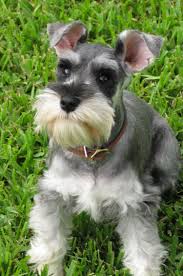
Miniature SchnauzerBreed Introduction: Miniature Schnauzer


Country of origin: Germany


Appearance Features:


The Mini-Snasha is a very unique breed. It has a broad and sturdy body, a coarse grayish-white coat, a rectangular head covered with thick eyebrows like an elder's, and a particularly full mustache, giving it a strange yet adorable appearance. Although small in size, it is short and lean, with powerful movements, and only a small part of its tail remains. The area from the top of his head to the rounded, blunt tip of his nose only slightly slopes downward, and the thick beard-shaped mouth and face form his distinctive Snasha look.


Continue ReadingBreed Introduction: Miniature Schnauzer

Breed Introduction: Beagle

  • Post last modified:2015-05-12
  • Post category:Pet Encyclopedia

Breed Introduction: Beagle


Place of origin: Unknown (historical records show it originated in France and Greece, but it definitely flourished in England than the tall dog)


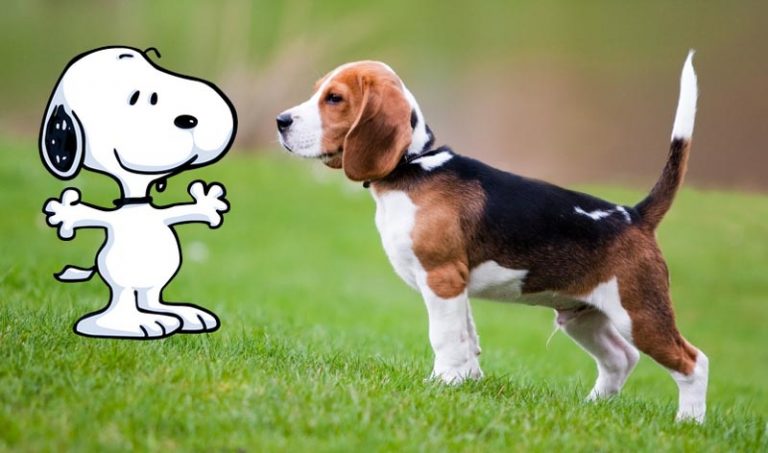
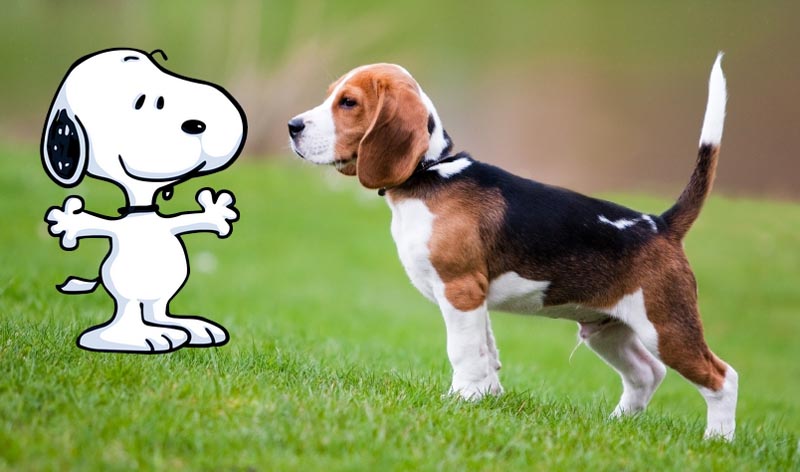
snoopy beagle


Appearance:
The Beagle is a small to medium-sized dog with solid muscles, a keen sense of smell, and agile movements. It is precisely because of this keen sense of smell that it searches everywhere for its prey, and combined with its curiosity, it often causes trouble.


Beagles have two standard sizes:

Smaller ones:

Less than 13 inches tall
It weighs between 18 and 20 pounds

Larger ones:

Height is 13-15 inches
It weighs between 20 and 30 pounds

Continue ReadingBreed Introduction: Beagle

Breed Introduction: Corgi (Welsh Corgi)

  • Post last modified:2015-05-12
  • Post category:Pet Encyclopedia

Breed introduction: The Corgi (Welsh Corgi) is also known as the Welsh Corgi


Origin: Wales, United Kingdom


corgi


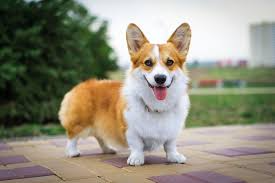
The Welsh Corgi is short, with erect ears and a fox-like face, averaging about 25 to 30 centimeters in height and weighing around 15 kg. Originally bred for herding cattle and sheep, its short stature protects them from being kicked by cattle. Corgis are known for their quick reactions and strong willpower. They are energetic, hardworking, and eager to be part of the family, so they need regular exercise.


The Goki's double-layer short coat is very weather-resistant. Its coat comes in a variety of colors, including deep red, pale yellow-brown, black, or sable with white spots. Black-haired Corgis usually have mixed white or brown fur, forming a tricolor pattern, with their head coats varying in red and black. Occasionally, a corgi with fluffy fur appears in a litter of paparazzi.

Continue ReadingBreed Introduction: Corgi (Welsh Corgi)

10 Foods That Are Harmful to Dogs: What Every Dog Owner Should Know

  • Post last modified:2026-07-20
  • Post category:Pet Encyclopedia

DogThe truth is that a dog's body structure, digestive system and nutritional needs are all very different from ours, and some foods we enjoy are effectively a slow poison for dogs.

(1) Chocolate

Chocolate contains caffeine and theobromine. These are harmless to humans, but to animals they are poison, damaging a dog's heart and central nervous system and causing heart disease or other fatal conditions. The purer the chocolate, the greater the danger to a dog. One pound of milk chocolate is enough to kill a sixteen-pound dog! A dog poisoned by chocolate will urinate frequently, have a racing heartbeat, drool heavily, vomit, suffer diarrhoea and may even fall into a coma. There is currently no antidote, and the only way out is for the dog's own metabolism to clear the theobromine from its body. So never give a dog chocolate, or anything containing chocolate such as chocolate cake or ice cream.

Continue Reading10 Foods That Are Harmful to Dogs: What Every Dog Owner Should Know

IQ rankings for various dog breeds

  • Post last modified:2026-07-17
  • Post category:Pet Encyclopedia

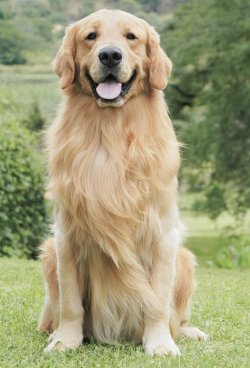
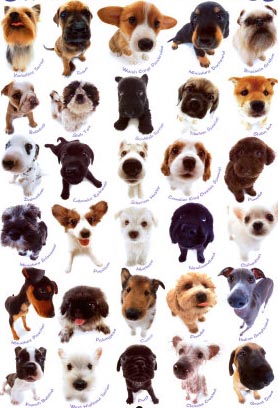
All breeds of dogsAccording to Stanley Coren, a psychology professor at Columbia University, USA, who conducted in-depth interviews with 208 dog trainers from various regions, 63 small animal veterinarians, and 14 experts studying guard and guard dogs, and based on a wealth of valuable information provided by the Vancouver Dog Obedience Club, they completed a very complex and extensive questionnaire ranking the dogs' work obedience and intelligence. The current rankings are announced as follows:


1. Border Collie
2. Poodles
3. German Shepherd
4. Golden Retriever
5. Doberman

Continue ReadingIQ rankings for various dog breeds

Age conversion table for dogs and cats to humans

  • Post last modified:2011-05-14
  • Post category:Pet Encyclopedia

Dog-to-human age conversion table

1. At 20 days old, puppies have the same 1-year-old toddler functions as humans.
2. At three months old, they are like five-year-old human toddlers, and their intelligence has increased to the point where they can play with kindergarten children or first graders.
3. The first six months after birth are already equivalent to 10 years old in humans, but their bodies are close to maturity, and they rarely grow further after that (except for those who gain weight).
4. A puppy one year old is equivalent to an 18-year-old human. At this point, both males and females are fertile, especially females who have already experienced heat.

Continue ReadingAge conversion table for dogs and cats to humans