
Quick answer: The 2026 World Cup will be held from June 11 to July 19. Most matches are broadcast live in Hong Kong from early morning until early morning. Owners stay up late watching matches and can’t help but cheer loudly when scoring goals. Sudden noises and changes in routine can easily make cats and dogs anxious. Common anxiety warning signs include trembling, hiding, restless pacing, panting, excessive barking, or meowing. To soothe your pet, you can approach it in seven ways: (1) Create a safe space for them; (2) Lower volume and draw curtains to minimize sound and light stimulation; (3) Use pheromones (Adaptil for dogs, Feliway for cats); (4) Try to maintain the original feeding and daily routine; (5) The owner himself remains calm; (6) Let it exercise and burn off energy before the race; (7) Distract attention with toys or snacks. If the condition is severe, consult a veterinarian.

Key Highlights (TL; DR):
- Noise anxiety is common: studies show a fairly high proportion of dogs have a fear response to sudden loud noises (such as thunder, fireworks, or cheering).
- Cheers are the trigger: sudden shouting, table slamming, and celebrations at the moment of scoring can easily scare cats and dogs.
- Recognize the warning signs first: trembling, hiding, pacing, panting, ears pressed back, excessive barking/meowing—all are signs of nervousness.
- A safe space is the most effective: giving your pet a corner where they can hide and have a familiar scent is the most basic and important step.
- Pheromones are great helpers: Adaptil for dogs and Feliway for cats, which are safe and have no side effects, but require several weeks of early use to see results.
- Maintain a routine: Even if you stay up late, try to feed and interact on time to prevent your pet’s biological clock from being disrupted.
Why are pets especially prone to anxiety during the World Cup?
The 2026 World Cup is co-hosted by the United States, Canada, and Mexico, with most matches broadcast live from early morning to early morning Hong Kong time. This means many fans stay up all night or watch the game early in the morning, and every moment of a goal, penalty, or draw is often accompanied by sudden shouts, table slaps, and cheers—for cats and dogs, whose hearing is far more sensitive than humans, these sudden loud noises are a true source of stress.
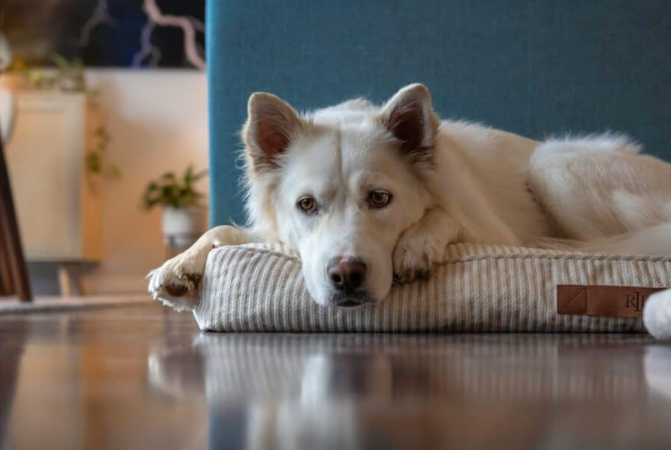
Noise anxiety is quite common among pets. According to veterinary data from Today’s Veterinary Practice and others, thunder and fireworks are the most common triggers; A study by PLOS One pointed out that nearly half of dogs have a clear fear response to loud fireworks noises. The cheering sounds at games are similar in nature to these sudden noises and can also make pets nervous. On top of that, the owner’s disrupted routine and staying up late make these two factors even more likely to trigger emotional fluctuations in cats and dogs.
Why do the cheers at a football match make cats and dogs nervous?
- Auditory sensitivity: Dogs’ hearing range and sensitivity far exceed those of humans, and cats are no exception. We feel that the “excited” cheers can be a deafening threat to them.
- Sudden and unexpected: The explosive hype at the moment of a goal is unexpected, easily triggering the “scare—flight” response.
- Emotions are contagious: When the owner gets excited, jumps, or shouts, the pet senses the unusual atmosphere and becomes uneasy.
- Disruption of routines: Owners staying up late or feeding times are disrupted, disrupting their biological clock and sense of security.
Anxiety warning sign: How to tell if your cat or dog is nervous
Recognizing emotional signals early allows timely soothing. Cats and dogs behave slightly:
| Anxiety alarm signs | Common symptoms in dogs | Common symptoms in cats |
|---|---|---|
| The body’s reaction | Trembling, drooling, panting, ear sticking behind | The body stiffens, pupils dilate, and hair stands on end |
| Behavioral responses | Hiding, pacing, barking nonstop, grabbing doors to escape | Hide under the bed or in high places, over-grooming, and meow nonstop |
| Others | Clingy or, conversely, withdrawn and relieve themselves anywhere | Refusal to eat, increased aggression, and inappropriate urination |
Tip: If your pet tries to hide, do not force them out or overly comfort them, as this may only deepen their fear. Let them stay where they feel safe and quietly accompany them.
Seven ways to soothe your furry friend during the event
The following methods can be used alone or in combination, and the earlier you prepare, the better the results:
- Prepare a safe space: Place familiar beds, blankets, and toys in a quiet room so your dog can hide away anytime.
- Reduce audiovisual stimulation: Moderately lower the TV volume and draw the curtains to reduce sudden sounds and flickering images.
- Using pheromones: Adaptil for dogs and Feliway for cats to send a soothing message of “It’s safe here.”
- Maintain the original routine: Try to feed, walk, and interact at regular times to provide stability and a sense of security.
- Owner, stay calm: Keep your volume down and avoid big movements when kicking. Your composure will help calm your pet.
- Burn off energy before the game: Take your dog for a walk or play with your cat before kickoff; burning off energy helps it relax later.
- Distraction: Use spill toys, chewing snacks, or chewy toys to divert attention from noise.
| Context | Recommended approach |
|---|---|
| Go inside and watch the game with friends | Place your pet in a quiet room away from the living room, and remind guests not to chase, play, or feed them |
| Stay up all night watching football by yourself | Lower the volume, set up pheromones, and prepare a safe corner for your dog |
| Going out to watch the game, keeping the cats and dogs at home | Leave enough food and water, turn on noise or soft music, and observe remotely using surveillance cameras |
Tip: Many ball game treats (beer, chicken wing bones, chips, chocolate) are toxic or dangerous to pets. When watching games, always keep treats out of reach of your furry friends. See our list of foods cats should not eat.
Comparison of soothing tools
Below are some common pet comfort tools that can be selected according to your pet’s condition. Prices are for reference and may vary with brand; please refer to the actual store price.
| Tools | Function | Suitable for: | Notes | Reference price |
|---|---|---|---|---|
| Pheromone Diffuser (Adaptil/Feliway) | Release soothing messages to reduce anxiety | Cats and dogs (products separate) | It should be used 2–4 weeks earlier for results to appear | About HK$200–350 |
| Comfort Bed (Donut/Edge) | Provides a sense of envelopment and security | Cats and dogs | Choose the right size and be easy to clean | Approximately HK$200–600 |
| Compression Clothes (Thundershirt Type) | Gently envelopes to relieve tension | Dogs are the main focus | Wear them correctly and adapt step by step | Approximately HK$250–400 |
| Soothing snacks/chews | Distract attention and soothe emotions | Cats and dogs | Pay attention to ingredients and portion sizes | Approximately HK$80–200 |
| White noise/soft music | Blocks out sudden noise | Cats and dogs | The volume should be moderate and not too loud | Most are free of charge |
Brand recommendation (choose one of three): If your pet is only mildly nervous, a safe space + comfort bed + white noise is enough to handle most situations; If the dog reacts more to loud noises, it is recommended to add a pheromone diffuser and start using it one or two weeks before the World Cup to establish the effect early; For pets that react strongly and may try to escape or harm themselves, consult a veterinarian before using any equipment. Do not administer sedatives to humans on your own.
How can owners stay up late watching football while also taking care of their pets’ emotions and daily routines?
The World Cup lasts over a month, and if the owner stays up late for a long time, the pet’s routine can easily be affected. A few reminders: Try to maintain a fixed feeding schedule. Don’t let your cat or dog go hungry just because you wake up late; Take time to accompany and interact with him while watching the game, so he doesn’t feel anxious about being neglected; If your day and night are reversed, consider using an automatic feeder to ensure meals are served on time; At the same time, pay attention to your own emotions. The calmer the owner, the more secure your pet will be. Take good care of yourself, and you’ll have the energy to care for your master.
When should you take your furry friend to the vet?
Most mild noise anxiety can be improved through environmental adjustments and soothing tools, but professional help should be sought if any of the following occur: persistent and severe anxiety responses (prolonged tremors, refusal to eat, self-harm), dangerous escape or destructive behaviors, or worsening symptoms. Veterinarians or animal behavior specialists can assess whether behavioral therapy or prescription medications are needed. Never give your pet human sedatives or sleeping pills, as they can cause poisoning or even fatal consequences.
Frequently Asked Questions (FAQ).
Do the cheers at a game really make dogs anxious?
Yes. Dogs have much more sensitive hearing than humans. Sudden shouting, slamming the table, and cheering during a goal are sudden loud noises similar to thunder or fireworks. Research shows that these sounds trigger a high proportion of dogs to experience fear reactions, such as trembling, hiding, and pacing. Additionally, when the owner is emotionally agitated, the abnormal atmosphere can make the pet feel uneasy. Preparing safe spaces and soothing tools in advance can greatly reduce the impact.
How do I know if my cat or dog is nervous?
Pay attention to bodily and behavioral signals. Dogs often tremble, drool, pant, have ears pressed back, hide, pace, or bark incessantly; Cats are often seen with stiff bodies, dilated pupils, hiding in high places or under beds, excessive grooming, and refusal to eat. Some pets become especially clingy, while others may withdraw and avoid them. If these signs appear, it means the dog is feeling nervous and needs comfort.
Are pheromone products safe? Does it really work?
Pheromones (Adaptil for dogs, Feliway for cats) mimic animals’ natural soothing signals. They are safe, require no metabolism, have almost no side effects, and can be used together with other products. It’s not a cure-all, but when combined with safe spaces and behavioral adjustments, it can help reduce anxiety. It is important to note that it usually requires 2 to 4 weeks of early use and continuous release to see results, so last-minute cramming is often effective.
My furry friend is so scared it hides. Should I carry it out to comfort it?
You shouldn’t force yourself to carry it out. When cats or dogs choose to hide, it means they are seeking security in their own way. Forcing them to pick up or overly comforting them may only deepen their fear. The correct approach is to keep them in a place where they feel safe, keep the environment quiet, and quietly accompany them. You can speak softly in a steady tone, but you don’t need to be overly tense or constantly touching.
Can human tranquilizers be given to pets?
Absolutely not. Human sedatives and sleeping pills can be toxic to cats and dogs, with completely different dosages and metabolic modes. Self-feeding can cause poisoning or even death. If your pet is severely anxious and needs medication, it must be evaluated by a veterinarian and prescribed medication as directed. Do not buy or feed human medication on your own.
The World Cup lasts a month—how do you maintain your pet’s routine?
The key is to keep it as secure as possible. Even if the owner stays up late, feed at the usual time to prevent the cat or dog from going hungry or disrupting their biological clocks; Make time daily for walks, play, and interaction to prevent anxiety from being neglected. If your day and night are reversed, you can use an automatic feeder to ensure meals start on time. Maintaining a stable daily rhythm is one of the most effective ways to reduce emotional fluctuations.
Are there any ways to soothe someone that doesn’t cost money?
Yes. The most basic and effective is a “safe space”—placing a bed and blanket in a quiet corner where it can hide at any time. Second, lower the TV volume, draw curtains to reduce sound and light stimulation, and play white noise or soft music to mask sudden noise. Walking your dog before a race to burn off energy and keeping your dog calm costs nothing but often yields the best results.
Summary: Three key principles for helping your furry friend safely get through the World Cup
If you want your pet not to be bothered by the cheers of the game, remember these three key principles: First, recognize anxiety warning signs early—trembling, hiding, and pacing are all distress signals; Second, prepare a safe space and make good use of soothing tools—pheromones, comfort beds, and white noise—all at once; Third, maintain your routine and keep your pet calm. Your stability is your pet’s greatest peace of mind. Be prepared, and you can watch the match to your heart’s content, while your master can sleep soundly.
Limitations and Disclaimer: This article is based on publicly available veterinary behavioral data and BC Pets store experience. Data is current as of June 2026. Each pet’s personality and anxiety level are different. The methods described in this article are for general reference only and cannot replace the professional advice of a registered veterinarian or animal behavior expert; If your pet is severely anxious, consult a veterinarian. If you find any errors in the information in this article, please contact us via the www.bcpets.com.hk’s “Contact Us” button to correct it.