Pets only care about two things: what’s tasty in the bowl, and when they get to eat. Whether that bowl is clean is up to us owners.
Many people think a quick wipe with a paper towel or a rinse with water is enough. Unfortunately, the real problem is the “biofilm” invisible to the naked eye — a slimy film on the bowl’s surface that harbours large amounts of bacteria and gradually affects your pet’s health. The good news is that with the right method, a few minutes a day is all it takes to deal with it.
Why Must You Wash Your Pet’s Bowl?
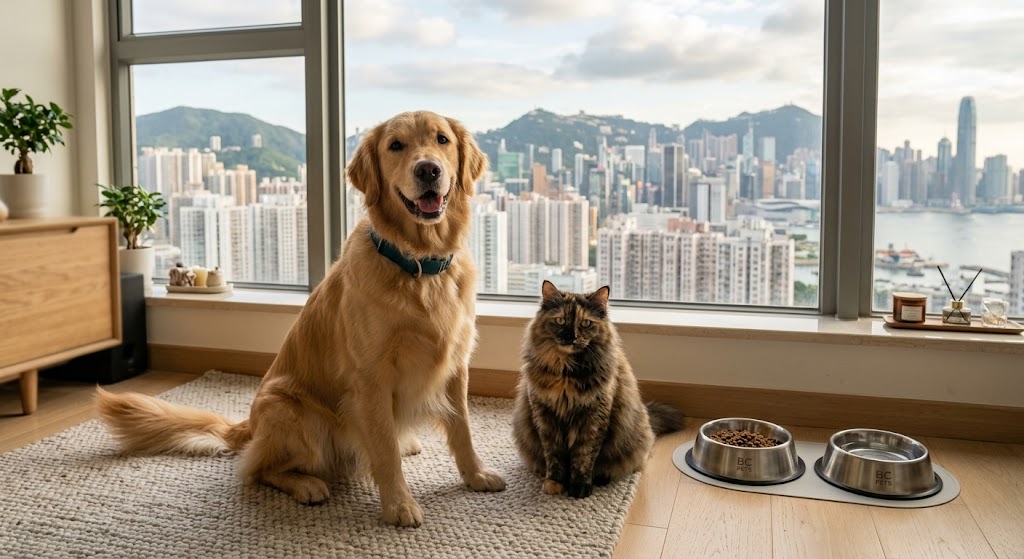
An unwashed pet bowl breeds bacteria, affects appetite, and can even make both people and pets ill. That slimy layer you feel on the rim of the bowl is the biofilm formed by gathered bacteria; water alone won’t wash it away — it takes detergent and physical scrubbing.
Bacterial growth
Food residue plus pet saliva is ideal nourishment for bacteria such as Salmonella and E. coli.
Digestive and skin problems
Contaminated food can cause vomiting and digestive upset; a cat’s “black chin” (feline acne) may also be linked to a dirty bowl.
Quietly affecting appetite
The oxidised-oil smell or sour odour in the bowl can make pets eat and drink less — not necessarily refusing food entirely, which is why owners find it hard to notice.
Affecting the family’s health
Some bacteria can pass from pets to people, with a higher risk for children and the elderly at home.
Hong Kong’s weather needs special attention
Hong Kong is persistently humid and muggy, so food spoils and bacteria multiply faster than in cool, dry places; in summer, wet food should be left at room temperature for even less time.
How Often Should You Wash It?
The principle is simple: the wetter and fresher the food, the sooner you need to wash the bowl.
| Bowl use | Recommended washing frequency | Notes |
|---|---|---|
| Wet food, canned food, fresh food | Wash right after each meal | Wet food shouldn’t sit at room temperature for more than 2 hours, and even less in summer |
| Raw food | Wash and disinfect right after each meal | Raw meat carries the highest bacterial risk |
| Dry food | At least once a day | If left out all day for cats to graze freely, wash thoroughly at least once a day |
| Water bowl | Change the water and wash daily | Disinfect thoroughly at least once a week |
| Automatic water fountain | Dismantle and clean every 1 to 2 weeks | Replace the filter per the manufacturer’s instructions |
6 Steps to Clean a Pet Bowl Properly
1. Pour out leftover food
Pour out any uneaten food and water; don’t leave it for the next meal.
2. Pre-rinse with warm water
Rinse away surface residue with warm water.
3. Scrub with detergent
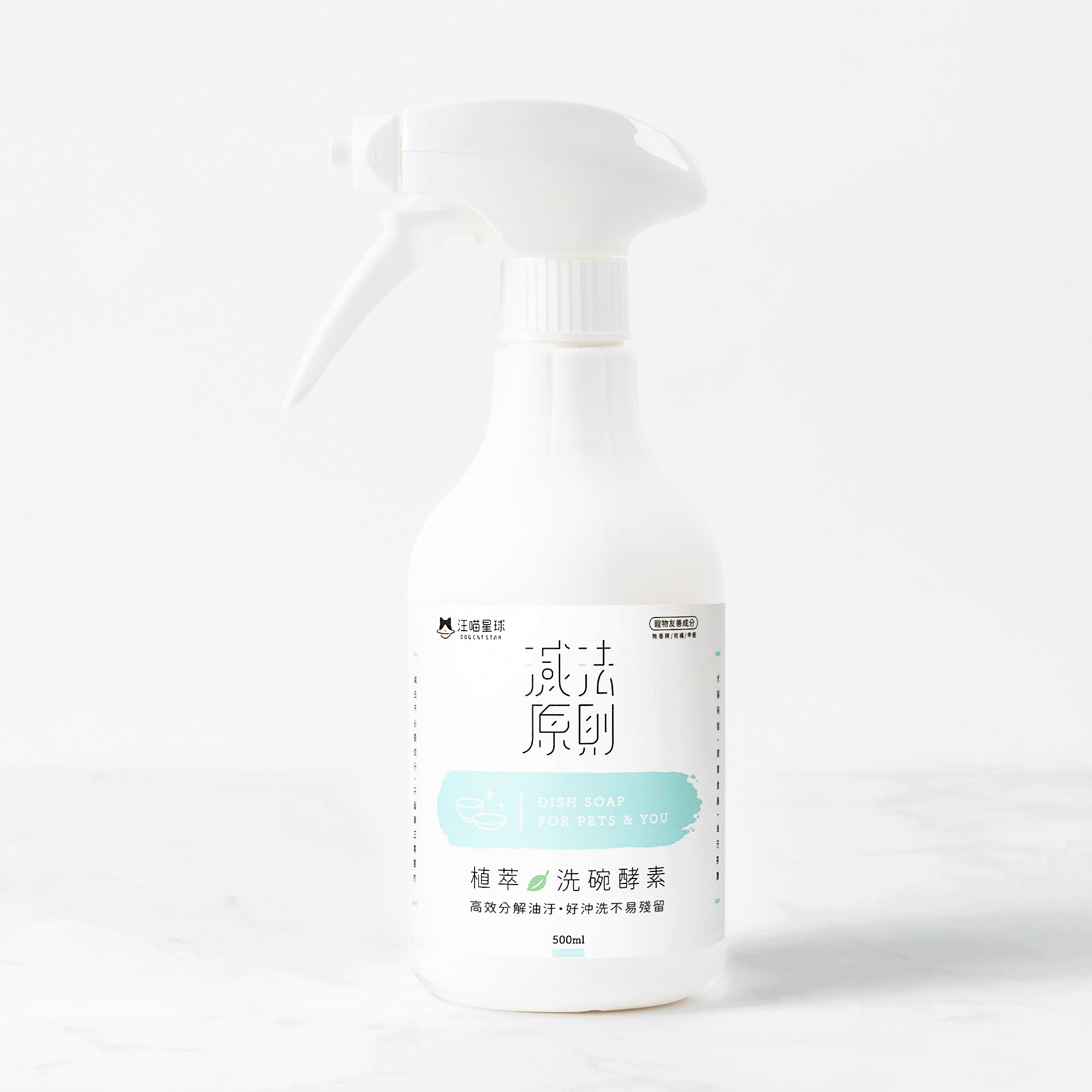
Using a pet-safe, fragrance-free detergent with a sponge, scrub the inside, bottom and rim of the bowl.
4. Rinse thoroughly
Rinse off all detergent so no lingering taste affects appetite or is ingested by the pet.
5. Disinfect regularly
At least once a week, soak stainless steel or ceramic bowls in boiling water, or wash them at high temperature in a dishwasher (check first whether the bowl is suitable).
6. Dry completely
Dry with a clean towel or let it air-dry before putting food in again; moisture speeds up bacterial growth and mould.
Tip
Use a dedicated sponge and brush for the pet’s bowl; don’t share them with the family’s dishes, to avoid cross-contamination.
Choose the Right Bowl for Easier Cleaning
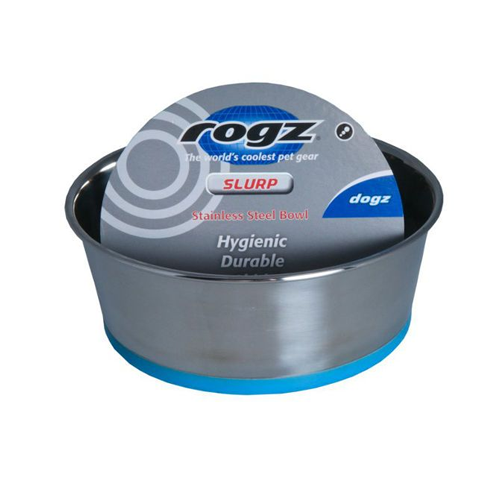
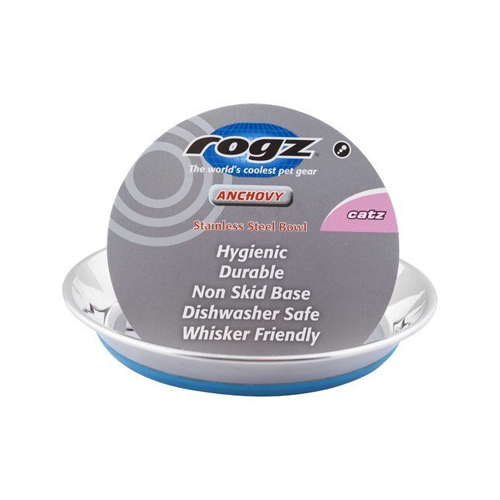
Stainless steel bowls are the easiest to clean and the most hygienic, making them the top choice for most pets. Whatever the material, once you notice scratches, cracks, or a smell that won’t wash out, it’s time to replace the bowl.
Stainless steel
Top choice
Durable, smooth and resistant to harbouring bacteria; can be cleaned with boiling water or a dishwasher
Glass
Recommended
Smooth, easy to wash and odour-free; breaks easily, not suitable for pets that chew their bowls
Ceramic
Acceptable
Heavy and stable; choose a lead-free glaze and replace it as soon as it cracks
Plastic
Not recommended
Scratches easily and harbours bacteria; some pets react to it (such as a red, swollen chin)
Common Mistakes
- Topping up without washing: the oils under old kibble oxidise and go rancid, so empty and wash the bowl before each new serving.
- Only wiping with a paper towel or rinsing with water: neither removes biofilm — you must scrub with detergent.
- Detergent not rinsed off properly: leftover chemicals are harmful to pets, and strong fragrances may make them refuse food.
- Forgetting to clean around the food bowl: the mat under the bowl and the floor also collect food residue, so clean them weekly as well.
- Leaving the food bag open for long periods: dry food should be sealed shut or stored in an airtight container to keep out moisture and pests.
Conclusion
A clean bowl, just a few minutes a day, adds a layer of protection to your pet’s health. Whether it’s a durable, easy-to-wash stainless steel food bowl, pet-specific cleaning products, or quality dry and wet food, you’re welcome to shop at BC Pets or ask our staff — we’re happy to recommend the most suitable products for you and your pet.

Reference: How to clean pet food and water bowls properly, Humane World for Animals, September 2026