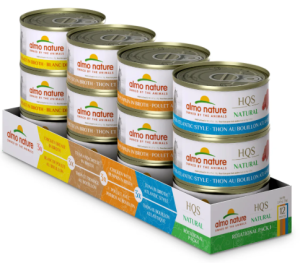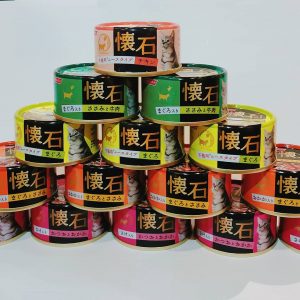
Quick answer: To understand the ingredient labels and choose a good cat food, just follow these six key points: (1) Make sure the packaging has an AAFCO “complete and balanced” statement and corresponds to the correct life stage; (2) Check the “Guaranteed Analysis” for crude protein, crude fat, crude fiber, and moisture; (3) Convert the value to the dry matter ratio (DMB) for fair comparison; (4) Calculate carbohydrates using a formula (cats are meat-eaters; the lower the carbs, the closer to the natural ones); (5) Check whether the first few items on the ingredient list clearly indicate the meat source; (6) Identify key nutrients such as taurine. Simple selection principles: high animal protein (dry matter ratio ≥ 40%), low carbs (dry matter ratio ≤ 15% preferred), first item is named meat, with an AAFCO declaration. If you want to simplify your choice, staple food cans and freeze-dried foods usually align better with this direction than regular dry food.
Key Highlights (TL; DR):
- The most important AAFCO statement: packaging labeled “complete and balanced” and indicating the stage of life is the most nutritious and complete.
- Crude protein checks the threshold:AAFCO minimum adult cat 26%, kitten minimum 30% (dry matter ratio); High-quality cat food is usually much higher than this.
- You must calculate the dry matter ratio: wet food contains over 75% water; if you don’t convert, you’ll mistakenly judge that ‘canned food protein is lower than dry food.’
- Calculate your own carbs: The label doesn’t list carbs; just subtract 100 from protein, fat, fiber, water, and ash.
- Ingredient list from most to lowest: the first items should be named meats (such as “chicken” or “boneless chicken”), rather than vague “meat by-products” or large amounts of grains.
- Taurine is indispensable: A deficiency can lead to heart disease and blindness, making it one of the most important nutrients in cat food ingredient research.
Why learning to check the ingredient labels on cat food is so important
Many cat owners only look at the brand, price, or labeling “natural” or “grain-free” when buying cat food, but overlook the truly crucial ingredient labels. The consequences are not mild: according to the American Pet Obesity Prevention Association (APOP) 2024 survey, about 61% of cats are overweight or obese, with long-term high-carb, high-calorie diets being one of the main causes. Cats are obligate carnivores and naturally require a diet high in animal protein and low in carbohydrates; Yet, many affordable dry foods use large amounts of grain and starch as filling materials.
By learning to read labels, you can judge for yourself whether a cat food is good without relying on advertising. This guide will use products available in Hong Kong as examples, teaching you step-by-step how to understand crude protein, carbohydrates, and AAFCO standards, so you can choose cat food with greater confidence.
Key Point 1: First, confirm the AAFCO nutrition declaration
The first step in choosing cat food is to look for the AAFCO Nutritional Adequacy Statement on the packaging. This phrase is usually printed on the back of the cat food in fine grains, but it serves as the legal basis for determining whether cat food is “nutritionally complete.” It will explain two things: whether the food is “complete and balanced,” and which life stage it is suitable for.
There are two common types of wording: one is “formulated to meet AAFCO Cat Food Nutrient Profiles,” and the other is “animal feeding tests using AAFCO procedures”—the latter means the cat has actually been fed for verification, which is a higher level. If the packaging only states “complementary,” “supplementary food,” or “for intermittent feeding,” it means it cannot be used as the sole staple food.
| Statement wording | Meaning | Can it be used as a staple food? |
|---|---|---|
| Complete and balanced for adult maintenance | Nutritionally complete, suitable for adult cats | Yes, you can |
| For growth / all life stages | Suitable for kittens or all ages | Yes (kittens need this level) |
| Animal feeding tests (AAFCO) | Verified through actual feeding trials | Yes, the verification level is the highest |
| Complementary / Supplementary food / intermittent feeding | Snacks or supplements are nutritionally incomplete | Do not use it alone as a staple food |
Note: Kittens, pregnant or nursing female cats must select the “Growth and Reproduction” or “All Life Stages” rating; Adult cat food labeled only as “adult maintenance” is not enough.
Key Point 2: Understand the four key values of “Guarantee Analysis.”
The Guaranteed Analysis on the packaging lists four basic values: crude protein (min), crude fat (min), crude fiber (max), and moisture (max). “min” is the minimum guarantee, and “max” is the maximum upper limit, so the actual value is usually slightly higher or slightly lower than the label. This is the starting point for judging cat food composition, but note that these are “as-fed” values; you can’t directly compare foods with different water content (the next section will teach conversion).
First, remember the AAFCO nutritional threshold (measured by dry matter ratio), which is used to check if a grain meets the standards:
| Nutrients (dry matter ratio, lowest value) | Adult cats maintain it | Kitten growth/reproduction |
|---|---|---|
| Crude Protein | 26% | 30% |
| Crude fat | 9% | 9% |
| Taurine (Dry/Squeezed Grain) | 0.10% | 0.10% |
| Taurine (Canned/Wet Food) | 0.20% | 0.20% |
Key point: These are just the minimum passing lines, not ideal values. High-quality cat food often has a crude protein dry matter ratio of 40–55%, well above the 26% threshold. Source: AAFCO, Merck Veterinary Manual.
Key Point 3: Converting to the ‘Dry Parts Ratio (DMB)’ is key for fair comparison
This is the most common mistake most cat owners make. Dry food contains about 10% water, while staple food cans contain as much as 75–82% water. If you directly compare the protein numbers on the label, you might mistakenly think “canned protein is lower than dry food,” but in fact, the water diluted the numbers. The correct approach is to convert all grains into the Dry Matter Basis (DMB), which is the true nutritional concentration after removing moisture.
The formula is simple:
Dry matter ratio (%) = Label value ÷ (100 − moisture %) × 100
Below is an example using one type of dry food and one type of canned staple food (numbers are for example):
| Project | Dry rations (as is) | dry food (dry material ratio) | Main Food Can (as is) | Main Food Canned (Dry Matter Ratio) |
|---|---|---|---|---|
| Moisture | 10% | — | 78% | — |
| Crude protein | 34% | 37.8% | 11% | 50.0% |
| Crude fat | 15% | 16.7% | 5% | 22.7% |
After calculation, it can be seen that the main food can, which appears to contain only ‘11% protein,’ actually contains as much as 50% dry matter, which is even higher than dry food. Before comparing any two types of cat food, first calculate the dry matter ratio—this is the basic skill in judging whether cat food is good.
Key Point 4: Calculate your own carbohydrates (cats are carnivorous)
Cat food labels don’t list carbohydrates, and manufacturers aren’t obligated to list them, but carbohydrates are actually the nutrition cats need, overdose, and most likely to cause obesity. Fortunately, you can calculate it yourself. The formula is 100 minus the other ingredients:
Carbohydrates (%) = 100 − crude protein − crude fat − crude fiber − water − ash
(If the label does not list ash, dry food can be assumed to be about 8%, and wet food about 2–3%)
The calculation method refers to PetMD’s carbohydrate calculation tutorial. Using the dry food example above: 100 − 34 − 15 − 3 − 10 − 8 = 30% (original), converted to a dry matter ratio of 30 ÷ 90 × 100 ≈ 33%. For cats that are meat-fed, this carbohydrate content is relatively high.
| carbohydrates (dry matter ratio) | Assessment | Commonly found in |
|---|---|---|
| ≤ 10% | Ideal for natural prey | Staple food cans, freeze-dried, and raw foods |
| 10–15% | Good | High-quality grain-free dry food, some wet grains |
| 15–25% | Medium, acceptable | Generally mid-to-high-end dry rations |
| > 25% | High in the long run, not ideal | An affordable dry food with a large amount of grains and starch |
Local tip: Hong Kong’s humid and hot weather means many cats stay indoors for long periods with low activity levels, making them more prone to overweight due to high-carb diets. Controlling carbs and increasing the proportion of wet food are especially important for indoor cats in Hong Kong.
Key Point 5: Understand the Ingredient List
The ingredient list is arranged by weight from most to less, so the “first three items” best reflect the true main ingredients of cat food. The ideal cat food should first include well-known animal proteins, such as “chicken,” “boneless chicken,” and “herring”; If the first item is corn, wheat, rice, or the vague ‘meat by-product,’ be cautious.
- Good signs: named meats (chicken, duck, salmon), named organs (chicken heart, liver), and clear fat sources (chicken fat).
- Note: Large amounts of grains or starches (corn, wheat bran, potatoes) are at the top, and ‘animal by-products’ of unknown origin, artificial coloring, and chemical preservatives like BHA/BHT are at the forefront.
- Word Splitting Trap: Divide grains into ‘corn, corn gluten, corn bran’ and list them separately. Each item seems to be ranked last, but together it may actually exceed the amount of meat.
Note: Terms like “natural,” “grain-free,” and “human food grade” on labels are mostly market terms and are not strictly defined by AAFCO, so they cannot replace you reading the ingredient list and warranty analysis yourself.
Key Point 6: Identify key essential nutrients such as taurine
Taurine is an amino acid essential for cats that cannot be synthesized in sufficient amounts on their own, and it only exists in animal tissues. Deficiency can lead to dilated cardiomyopathy (DCM), retinal degeneration, and even blindness, which is one of the most closely watched topics in cat food ingredient research. AAFCO sets a minimum of 0.10% for dry food and 0.20% for wet food (dry matter ratio). A qualified cat food should include ‘taurine’ in its ingredient list or warranty analysis.
Besides taurine, you can also check whether the label indicates Omega-3/Omega-6 fatty acids (for coat health), vitamin E (natural antioxidant), and probiotics. Although these are not mandatory, they are a plus for high-quality cat food.
Key point: This is also why cats should not be fed dog food long-term—insufficient taurine content in dog food can harm a cat’s heart and vision over time.
Comparison table of the four major cat food types
After understanding the labels, we compared the four most common types of cat food in Hong Kong from an overall perspective. Below are representative brands sold in our store as examples. Prices are for reference and may fluctuate at any time. Please refer to the actual store prices.
| Type | Representative brand / origin | Key Specifications (Dry Matter Ratio) | Features | Reference price | Best suited for the audience |
|---|---|---|---|---|---|
| Dry food (grain-free) | Orijen Desires / Canada | About 40% protein, carbohydrates, etc | convenient, durable, and cost-effective; Low moisture content requires additional water | About HK$300–600 / 1.8kg | A family that balances budget and convenience |
| Main Food Can (Wet Food) | Fromm / USA | About 45–50% protein and extremely low in carbohydrates | High water content, close to nature, and beneficial for urinary health | About HK$12–28 per can | Cats that need hydration and are prone to urinary problems |
| Freeze-dried / air-dried | K9 Natural / ZiwiPeak (New Zealand) | About 45–55% protein and extremely low in carbohydrates | High meat content, mild processing, and nutrient-preserving quality; The unit price is relatively high | About HK$250–500 per pack | A cat that pursues high quality and is picky about food |
| Frozen raw food | Various brands / New Zealand, Australia, etc | The highest protein content, with almost zero carbohydrates | Closest to natural prey; Must be stored frozen and hygiene is important | About HK$60–120 per serving | Advanced cat owners who can handle raw food conditionally |
Brand recommendation (choose one of three): If you want to balance nutrition and daily convenience, we recommend a mixed feeding method using canned staple food as the staple food and high-quality grain-free dry food as a supplement—retaining the high protein and high water content advantages of wet food while maintaining the convenience of dry food. If your budget allows, and your cat is picky, freeze-dried food is a compromise choice with high meat content and easy storage; As for frozen raw food, it is the most nutritious, but proper freezing and hygienic conditions are necessary for it.
Frequently Asked Questions (FAQ).
Look at four aspects: (1) The packaging includes the AAFCO “complete and balanced” declaration corresponding to the correct life stage; (2) Ensure that crude protein in the analysis is elevated (dry matter ratio is ideal≥ 40%); (3) The first item on the ingredient list is named meat, not grains or by-products; (4) Calculate carbohydrates yourself; the lower the dry matter ratio, the better (ideally≤ 15%). If all four conditions are met, it’s basically an ideal cat food.
AAFCO is the American Feed Management Association, which sets minimum nutritional standards for cat food. Based on dry matter ratio, adult cats have a minimum crude protein content of 26%, kittens 30%, crude fat at least 9%, taurine dry food at 0.10%, and wet food at 0.20%. If the packaging states “formulated to meet AAFCO Cat Food Nutrient Profiles,” it means the formula meets the standard; Grades marked as ‘feeding tests’ are even higher.
In addition to meeting AAFCO standards, high-quality cat food typically includes: high animal protein (≥ 40% dry matter), low carbs (15% dry matter ≤), branded meat, clearly labeled taurine, no artificial coloring, and cheap fillers. At the same time, observe your cat: glossy coat, moderate posture, well-formed feces, and good spirits are practical indicators of suitable cat food.
For healthy adult cats, high animal protein is usually better, as cats are carnivores. But “protein sources” are more important than “numbers”—animal protein is superior to plant protein. Additionally, cats with specific conditions such as kidney disease may need to adjust their protein intake and should consult a veterinarian first; blindly pursuing high numbers is not recommended.
The formula is: carbohydrates = 100 − crude protein − crude fat − crude fiber − moisture − ash. If the label does not specify ash, dry food can be assumed to be about 8%, and wet food about 2–3%. After calculating the original sample value, divide by (100 − moisture) multiplied by 100 and convert to the dry matter ratio to fairly compare with other grains. For cats, the lower the carb-to-dry ratio, the closer it is to a natural diet.
Each has its own strengths and weaknesses. Main food cans are high in water (over 75%), extremely low in carbohydrates, and have a higher dry protein ratio than usual, which is beneficial for hydration, urinary health, and weight control. They are especially suitable for indoor cats in Hong Kong that drink little water. Dry rations, on the other hand, are convenient, durable, and reasonably priced. The ideal approach is a mixed feeding system with wet food as the main focus and dry food as a supplement, balancing nutrition and convenience.
Not necessarily. “Grain-free” simply means no grains, but it may be replaced with starches like potatoes or peas, and the carbs may not be lower. To judge the quality of cat food, you should actually calculate the carbohydrate and dry matter ratio and examine the protein source, rather than just looking at the “grain-free” label. Grain-free only has a clear meaning for cats allergic to grains.
It is recommended to refer to three major authorities: the AAFCO (American Feed Management Association) nutritional standards, the Merck Veterinary Manual for small animal nutritional needs, and the European FEDIAF standards. These organizations’ data is public and continuously updated, serving as the most reliable basis for judging whether cat food ingredients are reasonable, superior to unilateral brand advertising.
Summary: The three core principles for choosing cat food
To learn how to read cat food ingredient labels, you only need to remember three main principles: First, recognize the complete AAFCO nutrition statement and the correct life stage—this is the bottom line; Second, after calculating the dry matter ratio, protein and carbohydrates are compared, aiming for high animal protein and low carbs; Third, check whether the first item on the ingredient list is a named meat, and confirm key nutrients like taurine. By mastering these three points, no matter how many brands and promotional terms you face when buying cat food, you can judge for yourself whether a cat food is good and choose the right choice for your owner.
Choose high-quality cat food for your owner right away
Want to put these principles into practice? BC Pets carefully selects high-protein, low-carb cat food, canned staple food, and freeze-dried food from Canada, the USA, and New Zealand, all clearly labeled with ingredients and AAFCO nutrition claims. Store staff can also provide advice tailored to your cat’s age and needs. Browse the BC Pets cat food series now and pick a tasty and nutritious food for your cat.
Limitations and Disclaimer: This article is based on public standards such as AAFCO, Merck’s Veterinary Manual, and years of experience from BC Pets. Data is current as of June 2026. Nutritional standards and product specifications may be updated in the future. Each cat has a different age, weight, health status, and activity level. The values and examples in this article are for general reference only and cannot replace the professional advice of a registered veterinarian or pet nutritionist. If your cat has any illness or special dietary needs, please consult a veterinarian first. If you find any errors in the information in this article, please contact us via the www.bcpets.com.hk’s “Contact Us” button to correct it.
Disclaimer: BC Pets Pets Centre (www.bcpets.com.hk) is a retailer of cat food and pet supplies in Hong Kong. Some products mentioned in this article are sold by our store. This article is based on authoritative information such as the AAFCO (American Feed Management Association) published nutritional standards, Merck’s Veterinary Manual, and our years of product selection and feeding experience at our Hong Kong store. We strive to remain neutral and help you learn to read labels yourself, rather than just selling them.