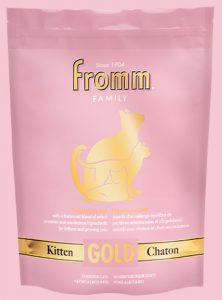
Quick answer: The main differences between freeze-dried, air-dried, wet and dry food come down to “how they’re made” and “moisture content,” which directly affect storage, feeding convenience, price and palatability. Dry food has the lowest moisture (about 10%), is the most convenient and the best value; wet food has the highest moisture (about 60–70% or more), giving good hydration and rich flavour; freeze-dried uses low temperatures to remove almost all moisture, is close to a raw-feeding concept and can have water added before feeding; air-dried is slowly dried at low temperature, has a chewier texture and a moisture content usually between that of dry and wet food. Beginners choosing pet food can start with four points: budget, the pet’s drinking habits, feeding convenience, and the pet’s age and health. In practice, many Hong Kong households feed a mix — for example, dry food as the staple with wet food or freeze-dried as a topper.
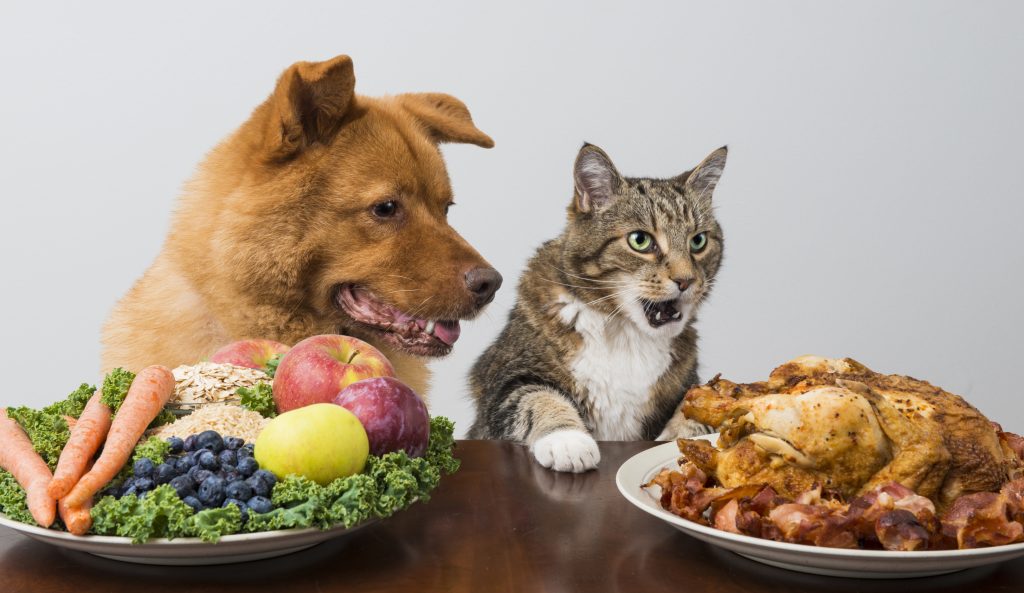
- Dry food (Kibble): lowest moisture, longest shelf life and best value per unit, but hydration relies on separate drinking water.
- Wet food (Wet/canned): about 60–70% moisture, good hydration and high palatability, but should be eaten soon after opening.
- Freeze-Dried: low-temperature moisture removal, close to a raw-feeding concept; water can be added before feeding to soften it, and the unit price is usually higher.
- Air-Dried: slowly dried at low temperature with a chewy texture; about as convenient as dry food but usually more expensive.
- Moisture is key: when cats and dogs drink little, wet food or water-added freeze-dried helps overall water intake.
- Mixed feeding is common: using dry food as the base and wet food or freeze-dried to boost flavour and moisture is a practical compromise.
Why these four food types leave Hong Kong beginners scratching their heads
Living space in Hong Kong is small and most cats and dogs stay indoors. Many beginners, on their first visit to a pet shop or online store, are met with a pile of terms — “dry food, wet food, freeze-dried, air-dried, raw meat” — with prices ranging widely from cheap to expensive, and don’t know where to start. In fact, most of these names describe “how the food is made and how much moisture is left,” not which type is necessarily better than another. Once you understand the processing and moisture content, you can make a sensible choice based on your own household situation — budget, your pet’s drinking habits, and feeding time.
This article focuses on clearly explaining the differences and best use cases of the four mainstream forms. BC Pets carries all of these food types, including its natural cat food and natural dog food categories, so that once you understand the concepts you can compare actual products as needed.
Breaking down the four food forms one by one
The conclusion first: the core differences are “processing” and “moisture content.” The higher the moisture, the better the hydration and usually the tastier it is, but the shorter the shelf life and the higher the unit price may be (measured by nutrition on a dry-matter basis); the lower the moisture, the more convenient and longer-lasting. Each type is explained below.
Dry food (Kibble) — the most convenient, best-value mainstream choice
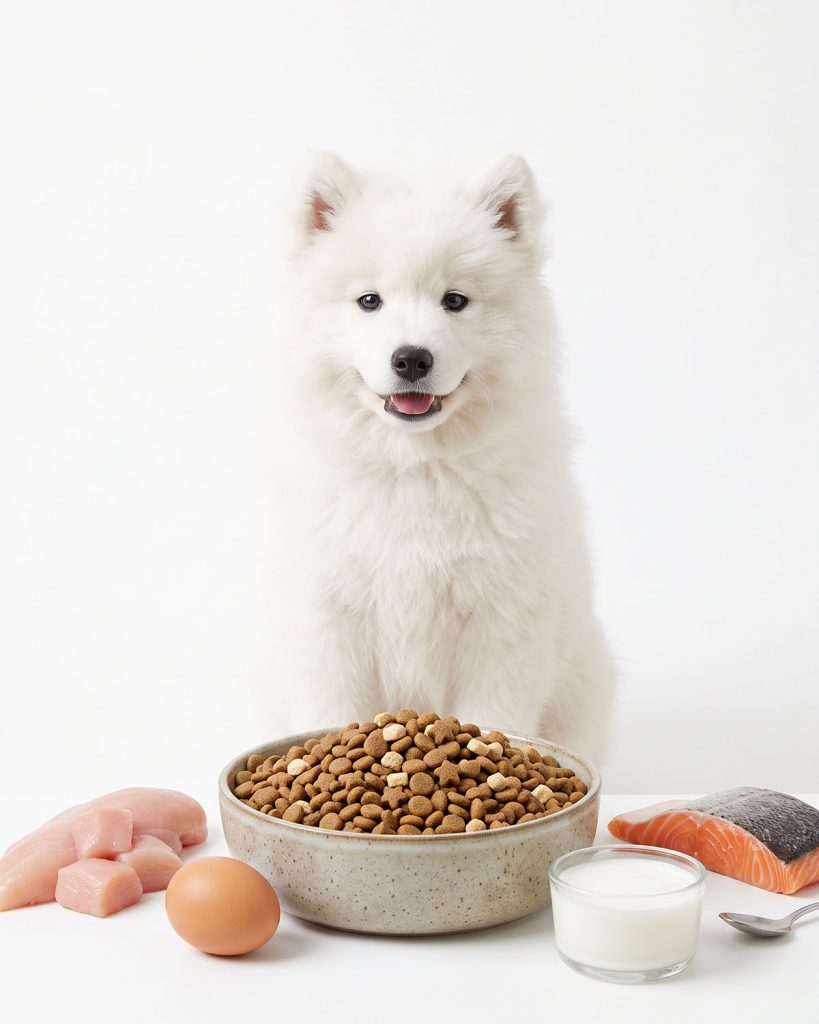
Dry food is baked at high temperature or extruded into pellets and generally has only about 10% moisture (see Whole Dog Journal‘s comparison of the various food types). Its advantages are a long shelf life, convenience after opening and usually the best value per unit, and it also suits free feeding. The limitation is that it provides little moisture itself, so cats and dogs that don’t drink enough need extra attention to their water intake. It suits beginners on a limited budget who want convenience, or as the base food in mixed feeding.
Wet food (Wet/canned) — the strongest for hydration and palatability
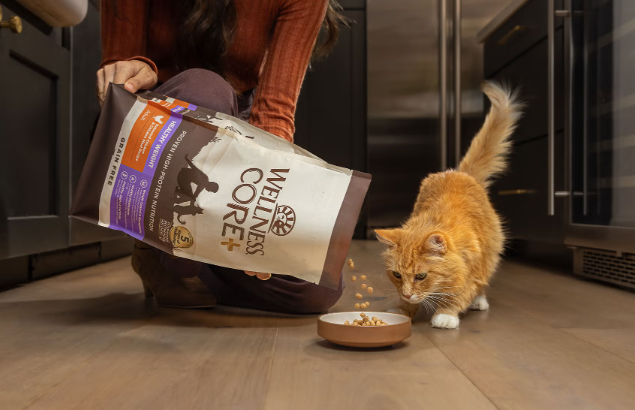
Wet food (cans, pouches, etc.) usually has about 60–70% moisture, the highest of the four. The high moisture is especially helpful for cats that drink little or pets that need more water intake; the flavour and aroma are also stronger, with high palatability, making it friendlier for pets with poor appetite, older pets or those recovering from illness. The limitations are that it must be eaten soon after opening or refrigerated, and using it alone as the staple food is more costly. You can browse BC Pets’ staple wet cat food and staple wet dog food categories.
Freeze-Dried — low-temperature moisture removal, close to a raw-feeding concept
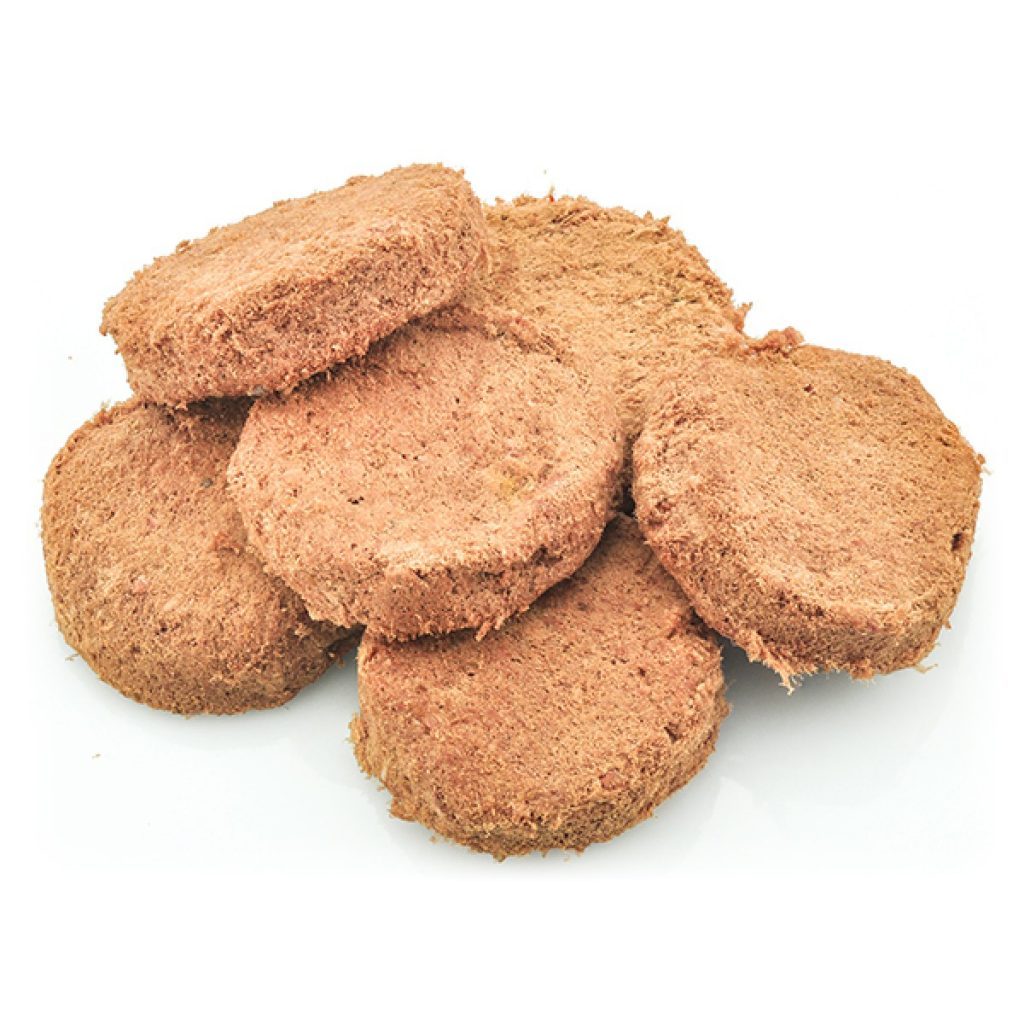
Freeze-drying removes almost all moisture in a low-temperature vacuum environment, allowing raw meat to be stored at room temperature, with moisture that can be as low as single-digit percentages (Whole Dog Journal notes that freeze-dried products can have moisture as low as about 5% or even less). Because the process temperature is low, the damage to nutrients and flavour is relatively small, and water can be added before feeding to restore moisture as directed on the packaging. The limitation is that the unit price is usually higher. It suits owners who want to give their pet a high-meat, high-moisture diet while still having room-temperature storage and convenience. See BC Pets’ freeze-dried & dehydrated cat food and freeze-dried & dehydrated dog food categories.
Air-Dried — slowly dried at low temperature with a chewy texture
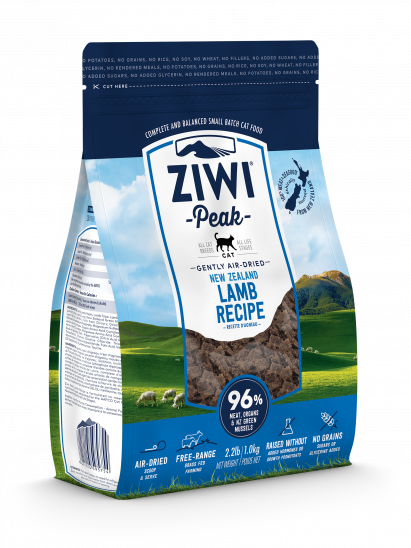
Air-drying slowly removes moisture at a lower temperature, giving a generally firmer, chewier texture, with moisture usually higher than freeze-dried and varying by product (for example, some air-dried foods list a moisture ceiling of about 14%). It is about as convenient as dry food (room-temperature storage, ready to eat with no water needed), suiting owners who want a raw-meat concept but the same convenience as dry food; the drawback is likewise that the unit price is usually higher than ordinary dry food. You can browse BC Pets’ air-dried cat food and air-dried dog food categories.
A single table to see how to choose among the four forms
The table below summarises the general characteristics of the four forms for quick comparison. Moisture figures are general industry reference ranges; individual products will vary. BC Pets only provides category pages, so please refer to each product page’s latest display for actual product prices and specifications.
| Form | Typical moisture | Main advantages | Main limitations | Best suited for |
|---|---|---|---|---|
| Dry food (Kibble) | About 10% | Long shelf life, convenient, relatively good value, allows free feeding | Provides little moisture itself | Beginners on a limited budget who want convenience; the base of mixed feeding |
| Wet food (Wet) | About 60–70% | Good hydration, tasty, high palatability | Must be eaten soon after opening; higher cost as a sole staple | Pets that drink little, have poor appetite, are older or recovering from illness |
| Freeze-Dried | As low as about 5% or below | Close to raw feeding, room-temperature storage, water can be added for hydration | Unit price usually higher | Those who want to feed high-meat, high-moisture food while keeping convenient storage |
| Air-Dried | Varies by product (some around a 14% ceiling) | Chewy, ready to eat with no water needed, room-temperature storage | Unit price usually higher than ordinary dry food | Owners who want a raw-meat concept but also convenience |
BC Pets shopping tips:
- Budget first, want a simple start: use the dry food in the cat food or dog food categories as the staple and establish a stable diet first.
- Pet drinks little, want more hydration: add wet food as a main meal or topper to increase overall water intake.
- Want a raw-meat concept but also convenience: compare the freeze-dried and air-dried ranges and choose based on your willingness to add water and your budget.
Beginners’ most common question: which one should I choose? A practical decision method
Conclusion: no single form is “the best” — only “the most suitable for your household.” You can decide in the following order.
- Look at budget: work out the long-term cost of the staple food. Dry food usually has the best unit price; freeze-dried and air-dried are higher; and wet food as a full diet is not cheap either.
- Look at drinking habits: cats naturally drink little, so if you’re worried about insufficient water intake, wet food or water-added freeze-dried helps.
- Look at convenience: if you work long hours and want to free-feed, dry food or air-dried is handier; if you have time to prepare meals, freeze-dried and wet food both work.
- Look at the pet’s condition: young, older, post-illness or fussy pets are more sensitive to palatability and texture, so introduce food gradually.
It’s worth noting that when shopping you should confirm the product is labelled “complete and balanced” before using it as a staple; complementary, treat or topper products may not meet all nutritional needs on their own. Whichever you choose, transition gradually (generally about 7–10 days of progressive mixing is recommended), and watch for changes in your pet’s appetite, stools and weight. Consult a vet for any health or ongoing issues.
Mixed feeding and practical considerations for Hong Kong homes
Conclusion: mixed feeding is a practical approach for many Hong Kong households, balancing cost, hydration and palatability.
A common combination is dry food as the base staple, with wet food, freeze-dried or air-dried as a topper or partial main meal — controlling the budget while boosting moisture and flavour. Hong Kong summers are humid and hot, so dry products such as dry food, freeze-dried and air-dried must be sealed against moisture after opening and stored in a cool, dry place; wet food must be refrigerated after opening and eaten soon. If space at home is limited, buy an appropriate amount for each feeding cycle to avoid stockpiling that gets damp or expires. When mixing different forms, remember to count the topper into the daily total calories to avoid accidentally overfeeding.
Frequently Asked Questions (FAQ)
What exactly is the difference between freeze-dried and air-dried?
Both remove moisture so that raw meat can be stored at room temperature; the difference lies in the processing and moisture content. Freeze-drying removes almost all moisture under a low-temperature vacuum, with moisture as low as about 5% or below, and water can usually be added before feeding to soften it; air-drying slowly dries at a lower temperature, giving a firmer, chewier texture with moisture generally higher than freeze-dried and varying by product. Simply put, freeze-dried is closer to a “rehydrate-before-feeding” raw concept, while air-dried is more like a “ready-to-eat, chewy” dry food.
Is wet food always better than dry food?
No. Wet food has high moisture (about 60–70%), with good hydration and palatability, which helps pets that drink little or have poor appetite; but dry food has a long shelf life, is convenient, usually has a better unit price, and can be free-fed. Each has its advantages, and the key is to match your pet’s drinking habits, your budget and feeding convenience. Many households feed a mix — dry food as the staple, wet food to add moisture and flavour — a common and practical compromise.
Dry food has such low moisture — will it leave my pet under-hydrated?
Dry food generally has only about 10% moisture and relies mainly on the pet drinking extra water. Cats naturally drink little, so eating only dry food long-term while drinking too little can lead to low water intake. You can boost intake by providing plenty of clean water, placing more water bowls or a fountain, or adding wet food or water-added freeze-dried. If you notice abnormal drinking, a marked change in urine output or other symptoms, consult a vet.
How do you feed freeze-dried food? Do you have to add water?
It depends on the product. Freeze-dried food can be a staple or a topper, and many products recommend adding water before feeding as directed on the packaging to soften the texture closer to wet food and add moisture at the same time; some can also be fed dry. Water-added food should not be left at room temperature for long, especially in Hong Kong’s humid, hot summers — anything not eaten should be dealt with promptly. When first switching to freeze-dried, do so gradually and observe your pet’s acceptance and digestive response.
Which form is the best value? How should I choose on a limited budget?
By unit price, dry food is usually the best value and suits use as a staple; the per-meal cost of freeze-dried and air-dried is generally higher, and wet food alone as a full diet isn’t cheap either. Beginners on a limited budget can first establish a stable diet with dry food, then add small amounts of wet food or freeze-dried as a topper as needed (for example, for hydration or to boost palatability), balancing cost with the pet’s needs. Please refer to each BC Pets product page’s latest display for actual prices.
Can I mix several forms together when feeding?
Yes — mixed feeding is very common in Hong Kong households, for example dry food as the base with wet food or freeze-dried as a topper. This balances cost, hydration and flavour. Just note that you should count all toppers into the daily total calories to avoid overfeeding and weight gain; and when switching or adding a form, do so gradually to let the digestive system adjust. If your pet has a special health condition or is on a prescription diet, consult a vet before mixing.
Which is suitable for kittens, puppies or older pets?
The key is to choose a formula labelled as suitable for that life stage and “complete and balanced,” rather than looking at the form alone. Young pets have high nutritional needs, while older or post-illness pets may prefer high-moisture, easy-to-eat wet food or water-added freeze-dried. Different products suit different stages, so check the packaging label before buying. If your pet has health issues or special needs, consult a vet before deciding on food and portions.
How long should a food transition take? Can I switch immediately?
Switching everything at once is not recommended. A sudden food change can easily cause digestive upset; generally it’s advised to take about 7 to 10 days, gradually mixing the new food into the old and adjusting the ratio each day to let the digestive system adjust. During the transition, watch appetite, stools and energy levels, and if persistent vomiting, diarrhoea or similar occurs, stop and consult a vet. Whether switching from dry food to freeze-dried or adding wet food, a gradual approach is the safer way.
Summary: three decision principles
Faced with freeze-dried, air-dried, wet and dry food, you can hold to three principles. First, understand that the differences lie in processing and moisture content, not “which type is definitely better” — higher moisture means better hydration, lower moisture means more convenience and longer storage. Second, choose based on your actual household situation: budget, your pet’s drinking habits, feeding convenience, and the pet’s age and health are the deciding factors. Third, make good use of mixed feeding and gradual transitions — dry food as the base, wet food or freeze-dried to add moisture and flavour, is a practical approach that many Hong Kong pet-owning households use to balance cost and needs. Whichever cat food, dog food or pet food you choose, the one that matches your pet’s actual needs is the good choice.
To compare actual products by form, browse BC Pets’ cat food and dog food categories, which include dry food, wet food, freeze-dried & dehydrated and air-dried ranges. BC Pets offers online and phone ordering, states that products are genuine Hong Kong stock, and provides free delivery on orders over a specified amount (details subject to the website).
Disclosure & disclaimer: BC Pets Pet Supplies Centre is a retailer of the cat food, dog food and pet food products described in this article, so the article may contain commercial recommendations. General information such as food forms and moisture content in this article references publicly available professional sources (such as Whole Dog Journal), and the product-category information comes from the BC Pets website, compiled in September 2026; moisture figures are general industry reference ranges, and individual product specifications and prices are subject to each product page’s latest display and may change at any time, so please check the website’s latest information again before buying. The health, nutrition and safety information in this article is for general educational purposes only and is not veterinary or nutritional diagnosis. Every pet differs in age, breed, size and health, so please judge according to actual needs; for any health or behavioural issues, consult a qualified vet or relevant professional. To correct any information, contact BC Pets via the website or by calling 2683-0318.