
Spring is here. The weather is turning warm and humid, so we have once again entered the peak breeding season for all kinds of parasites. Here is a timely reminder about prevention methods and about what to do when you find fleas, in the hope of sparing you the misery of a flea infestation.
First, let’s get to know the most common types of flea and tick pest –>
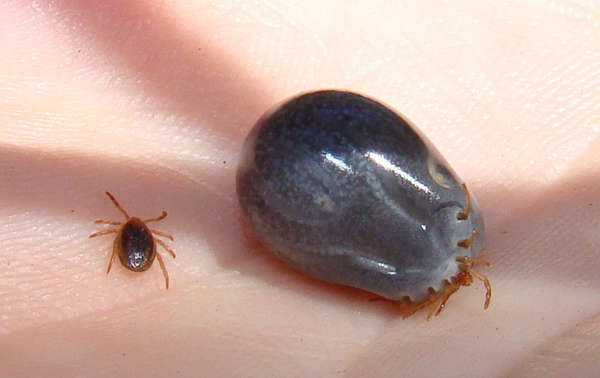
Ticks (commonly known as cattle ticks / wall fleas)
Fleas
When you find a tick:
Never pull it out by force! Never squeeze it until it bursts, or the eggs will all come out!
1) Never grab the tick’s body and yank it out carelessly, as this can inject the tick’s saliva or blood
into the pet’s skin, or leave its mouthparts stuck in the pet, increasing the risk of disease infection,
so you must first use alcohol or a tick-repellent spray to loosen the tick’s mouth!
2) Once the alcohol loosens the tick’s mouth, you can use tweezers to grip the mouth firmly and pull it out! Then clean and disinfect the wound!
3) Throw all the ticks into alcohol to soak, or flush them down the toilet; never squeeze a tick until it bursts,
as the eggs may all come out, causing endless trouble!
Prevention methods:
-Owners should regularly check their pet’s body and fur
-Diligently clean the places your pet comes into contact with, and keep the home environment clean
–Avoid places with lots of cattle ticks; grassy areas are ticks’ favourite spots. Of course dogs still need their walks, so after coming home remember to thoroughly clean your dog’s body and comb through its fur to check it over!
–Regularly use cattle-tick-killing medication on cats and dogs, for example Frontline
–a flea-and-tick collar, for double protection
The cattle-tick fever that owners worry about most:
Clinical symptoms: sudden lethargy and loss of appetite, fever,
pale gums or jaundice, weight loss, and so on
If you notice these, take your pet to the vet as soon as possible for a thorough check-up.