
Dogs Love a Massage
Massage does your dog good and no harm, and you don’t need to be a vet or a massage therapist to massage your dog. With just a little practice, you can help ease your senior dog’s arthritis pain, or relax the tense muscles of a lively dog. Dogs of all ages can benefit from massage!
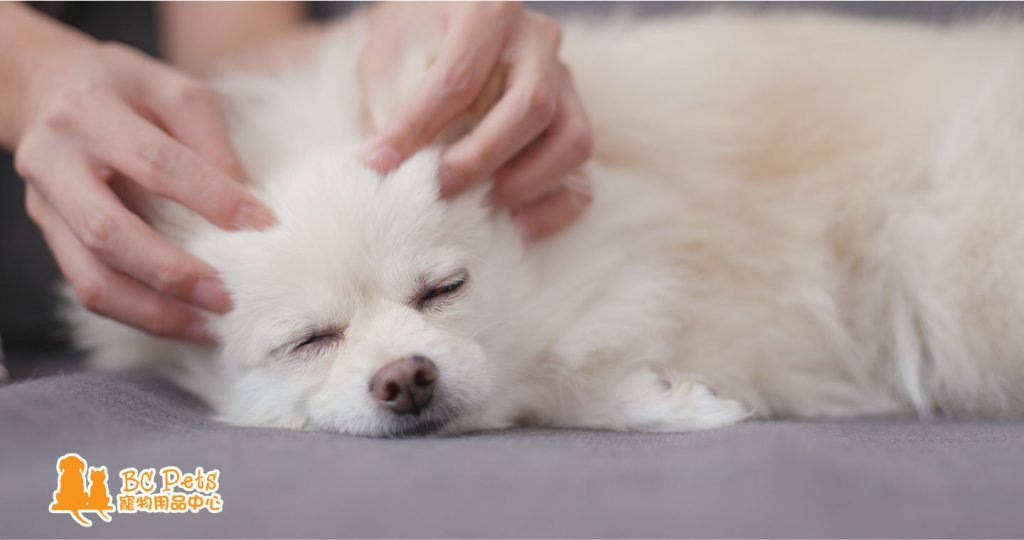
Why should you massage your dog?
#1
Massage can improve blood circulation and promote the flow of nutrients throughout your dog’s body, thereby reducing the toxins that may build up in your dog’s body.#2
Massage is a very effective diagnostic tool. While massaging, pay attention to all of your dog’s reactions. Feel your dog’s subtle responses to your massage with care; the more you massage, the more easily you’ll notice changes in your dog’s physical condition. For example, if touching your dog’s paw makes it flinch, that shows there’s something uncomfortable in its paw that needs your attention. If you notice a change in your dog’s behaviour — for example, it has always greatly enjoyed your massages but one day it avoids them — this may be the time to take your dog to the vet. Treat illness while it’s still minor; your prompt action may spare your dog unnecessary suffering!#3
Your dog’s love for you is very pure. Every gentle touch of yours is like telling your dog once more how much you love it. When your dog is unwell, your caresses may even have a placebo effect.
How do you massage your dog?
First, don’t massage your dog right after it has eaten a full meal… the reasoning is the same as why humans shouldn’t be massaged on a full stomach…
There are many massage techniques. Some require advanced anatomical knowledge or acupressure-like movements. We’ll leave those advanced techniques to physiotherapists. As mentioned above, your dog asks nothing of all your care — you only need the most basic technique, using just three fingers.
Step 1
Begin training when your dog is calm, for example after a long walk (friendly tip: when you take your dog for a walk, you must have a durable, perfectly colour-matched ROGZ lead, don’t you agree?), or after helping your dog burn off energy. If your dog has been out running, you can use Golden Bonta Wet Wipes to give your dog a quick clean. Let your dog lie down beside you; you can gently hum a tune to slowly help it relax. First, gently stroke your dog with your palm, starting the massage in a single direction, while speaking softly — for example, telling your dog what you had for lunch today, things you might think are quite boring. Although a dog isn’t highly intelligent, it does understand your praise and your sharing. This stroke should go from the top of the head all the way to the tip of the tail. Take it slow, no rush, because this is bonding time between you and your dog. This step usually takes 2 to 5 minutes. If you find your dog resisting, you should stop immediately. Don’t be impatient; after all, you can always try again another day!
Step 2
If your dog is really enjoying your caresses, you can begin massaging your dog’s back.
Use only your thumb, index finger and middle finger. If you’re right-handed, place your left hand on your dog; if you’re left-handed, place your other hand on your pet. This hand, positioned like this, will be the “reassuring” hand during the massage. Now, with your right hand, gently pinch up a section of your dog’s skin, keeping your index finger against your middle finger, then lightly knead it with your thumb. Repeat this way two or three times along your dog’s back.
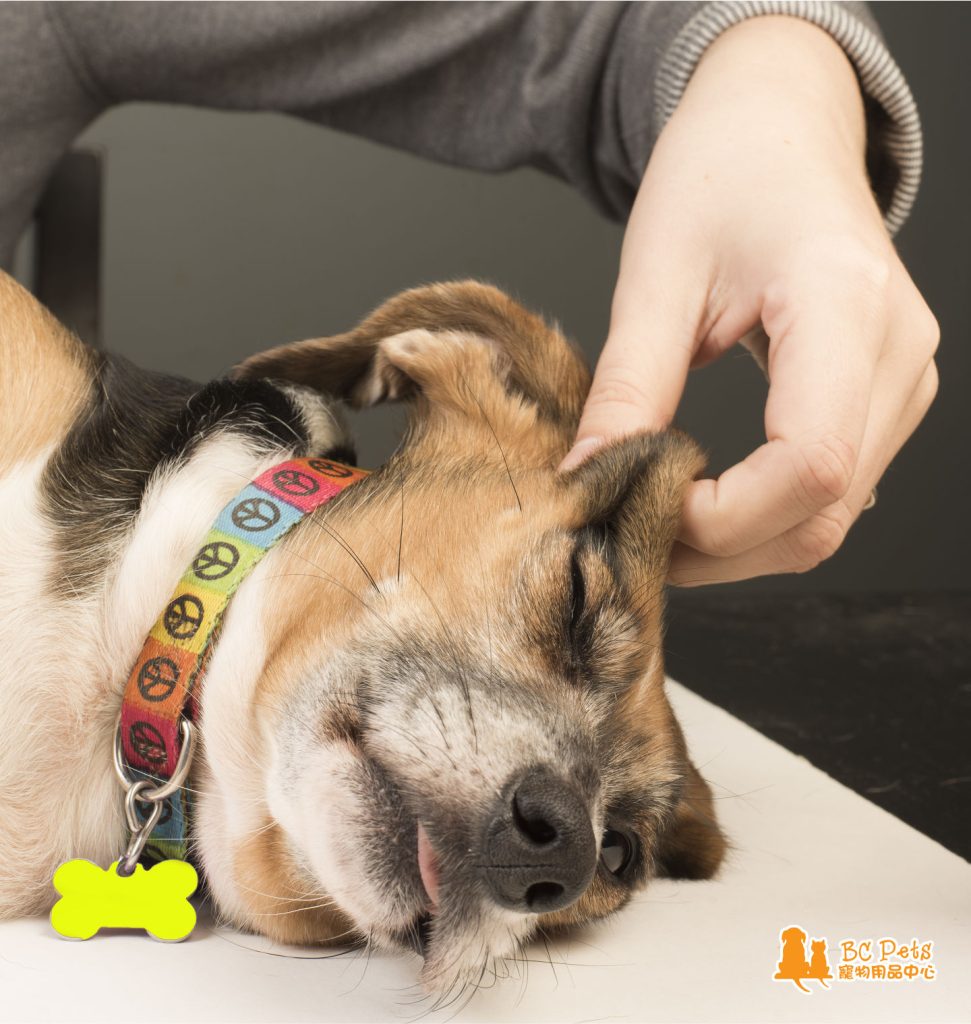
Step 3
Head and chin massage:
Start from the dog’s skull near the neck, still using your thumb and index finger, gently massaging by making larger or smaller circles. If your dog clearly tolerates being touched this way, you can apply more pressure by reducing the size of the circles to massage the muscles more deeply. But remember, don’t frighten your dog during the first few massages — go slow and gentle; if it doesn’t go well enough, you can try again next time.
Move up to the top of the head, still massaging gently in circles. Then come the more sensitive areas such as the chin and behind the ears, so massage carefully. For example, instead of using your thumb, you can use the first three fingers of your hand to massage your dog in circles. Spend one to two minutes on each of these areas.
Step 4
You can now move to your pet’s hips, legs and belly. Take it slow, and don’t forget to watch your dog’s reactions. After all, you’re not a massage chair — you don’t need to be professional. If in doubt, be sure to consult your vet, who is the only one who can give sound advice.
Our wish is for you to spend wonderful time with your dog. Your dog is sure to really enjoy the massage! So let your love for your dog show by massaging it more often, and gradually make yourself the finest dog masseur!