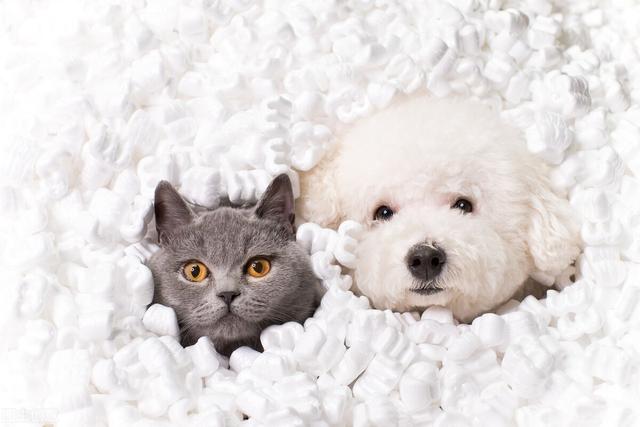
As the weather turns cold, what do owners need to watch out for?

  • Post published:
  • Post last modified:
  • Post category:Pet Encyclopedia

How to tell if your fur-kid feels cold?  -trembling all over -huddling in a corner with its body curled up -ears/body turn cold -reactions become slow -the way it walks/its posture is unusual -making low whimpering/barking Tips for keeping warm Use a heater -Place the dog bed or cat bed a certain distance away from the heater, to prevent problems such as skin burns caused by excessive heat Wear clothes -It is recommended to choose comfortable cotton, and avoid dressing pets in non-breathable fabrics Prepare a mattress or a small bed -so they won't get cold when resting or lying down Add food appropriately, and take in quality protein -eat higher-calorie food to maintain body temperature Let the fur-kids drink more warm water -it can effectively ward off the cold and also protect the stomach, avoiding symptoms such as vomiting and a dry throat Keep the living environment ventilated -When the air is not circulated for a long time, the air easily retains germs, triggering respiratory diseases in pets        [Click here to shop for various pet beds]

Continue ReadingAs the weather turns cold, what do owners need to watch out for?

Say goodbye to your furry friend’s smelly ears! What to do about dog ear inflammation?

  • Post published:
  • Post last modified:
  • Post category:Pet Encyclopedia

Do you often see your pet shaking its head or scratching its ears?


118018123 4401172873256193 2282051403044239580 n


As the owner, you should pay special attention!

Your pet may already have an ear infection! If it isn't dealt with properly,

it will not only make your furry friend uncomfortable — in serious cases it can even be life-threatening~


[Inflammation Section]

Prevention section is below!

Continue ReadingSay goodbye to your furry friend’s smelly ears! What to do about dog ear inflammation?

Have you noticed fleas and ticks appearing again at home or on your pets lately??

  • Post published:
  • Post last modified:
  • Post category:Pet Encyclopedia

Spring is here. The weather turns warm and humid,, so it is once again the time when all kinds of parasites are in their peak breeding season.

Here is a timely reminder for everyone about prevention methods and about spotting fleas, and how to deal with them

In the hope of being spared flea infestation misery
1234
First, get to know the most common types of
fleapest -->

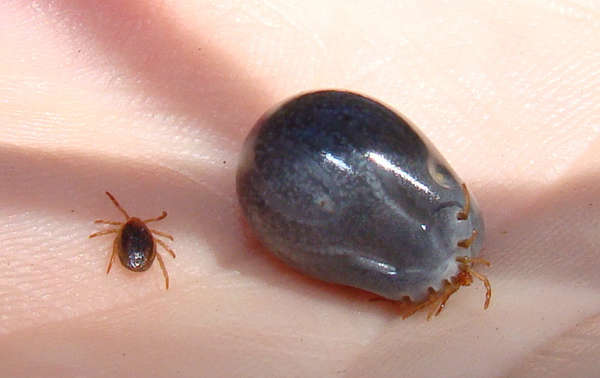
Ticks(commonly known as the cattle tick / wall flea)

fleas


When you find a tick:

 Never pull it out by force! Never squeeze it until it bursts, or the eggs will all come out!

1)Never grab the tick's body and yank it out carelessly, as this can cause the tick's are in their saliva or blood

to be injected into the pet's skin, or leave its mouthparts stuck on the pet, increasing the risk of disease infection,

so you must first use alcohol or a tick-repellent spray to make the tick's mouth loosen!

 2)When the alcohol makes the tick's mouth loosen, then you can use tweezers to grip the tick's mouth and pull it out! Then clean and disinfect the wound!

3) Throw all the ticks into alcohol to soak, or flush them into the toilet, ; never squeeze them until they burstthe tick's,

as the eggs may all come out, causing endless trouble!


Prevention methods:

Continue ReadingHave you noticed fleas and ticks appearing again at home or on your pets lately??

Lots of black spots on your cat’s chin?

  • Post published:
  • Post last modified:
  • Post category:Pet Encyclopedia

Cat Acne

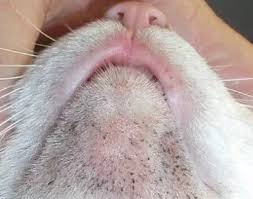
Lots of black spots on your cat's chin?

It's actually a common feline skin condition - [Feline Acne]
- Appears near the lips / on the chin
- Black comedones / flakes
- Too many comedones can cause redness, swelling and pustules (folliculitis)

Why:
- A greasy diet and drinking too little water throw off the body's water-oil balance
- Food gets on the chin and is harder to clean
- Using plastic food bowls, which breed bacteria more easily
- The cat's own constitution, with more active oil secretion
- Changes in hormone secretion

Prevention and solutions:

Continue ReadingLots of black spots on your cat’s chin?

Chinese New Year Precautions (Cat Edition)

  • Post published:
  • Post last modified:
  • Post category:Pet Encyclopedia

Chinese New Year Precautions (Cat Edition)


Chinese New Year is almost here! We believe everyone will be cleaning up and decorating their home before the New Year,

and households with furkids should pay special attention to the following few points!

p2


1. Keep the candy box covered


We believe everyone will prepare a beautiful candy box, and the lid must always be kept closed.

Because the colourful sweet wrappers inside are extremely attractive toys to cats,

they cannot resist grabbing them to play with, and there is a chance they may swallow them by mistake, causing choking or other gastrointestinal problems.

If children come to visit for the New Year, take good care of how the cats and children get along.

Sometimes children want to share the snacks in their hands with the cats, such as dried shredded squid,

but snacks meant for people are too strongly flavoured for cats,

and place a great burden on the cats' digestive system.


Click here to shop for cat treats


 2. Set aside a private hiding space


Many relatives will come to visit during the New Year,

Continue ReadingChinese New Year Precautions (Cat Edition)

Dog Care Tips: Understanding Dog Behaviour and Body Language

  • Post published:
  • Post last modified:
  • Post category:Pet Encyclopedia

dogDid you know that many of the things dogs do actually carry a specific meaning? Here are some classic pieces of canine body language:
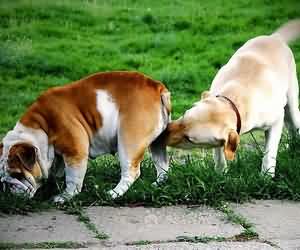
 

1. Sniffing the ground: this is thought to be a calming signal, used when a dog is afraid of the other party (person or dog) and wants to settle them down.


2. A quick turn of the head, looking or glancing away. Sometimes it happens in an instant and you may not even notice it. When a child runs towards a dog to hug it, a frightened dog may well do this.


So do remind children never to approach a strange dog that is staring at them; in canine body language, "staring at you" signals aggression. And of course, children should not be allowed to approach strange dogs freely unless an adult is there to supervise.


3. Licking its own nose: whether quickly or slowly, this is thought to be a signal to calm an unfamiliar party. Interestingly, black dogs use this gesture more often than dogs of other colours, probably because their facial expressions are harder to make out, while a pink tongue really stands out.

Continue ReadingDog Care Tips: Understanding Dog Behaviour and Body Language

Dog Care Knowledge: How often should dogs be bathed?

  • Post published:
  • Post last modified:
  • Post category:Pet Encyclopedia

Dog takes a showerIn summer, the dog's body odor also gets stronger. Although in winter you might only bathe your furry friend once a month, in summer, the strong dog smell they give off may require bathing once a week.


However, there is no absolute strict rule on how often dogs should be bathed; the frequency of bathing can vary greatly among dogs.

How often should your dog be bathed?

Continue ReadingDog Care Knowledge: How often should dogs be bathed?

Dog Care Tips: What to Do When Your Dog Gets Menstruating?

  • Post published:
  • Post last modified:
  • Post category:Pet Encyclopedia

dog menstruationDog women are just like women—they always experience those days of feeling especially irritable, impatient, and unexplainably restless. Menstruation has a physiological impact on the dog, and it also brings changes in its mental state. Physiologically, it can cause menstrual bleeding, mental irritability, and affect their appetite!


1. Menstruation brings changes to dogs

1. The timing of menstruation

Each dog's menstruation period varies greatly and is closely related to their usual eating habits. Normally, this period is around 6-8 months, but if a dog eats dog food, it usually lasts around 8-10 months.

Continue ReadingDog Care Tips: What to Do When Your Dog Gets Menstruating?