![[Hong Kong Genuine Local-Market Goods] Frontline Flea-Killing & Tick Removal Spray (Volume Options Available)2](https://www.bcpets.com.hk/shop/wp-content/uploads/2025/03/「香港正品行貨」Frontline-殺蚤除牛蜱噴劑-可選容量2.png)

Cosset HMB & Resveratrol Intensive Care Formula (For Cats and Dogs) 115g
$198
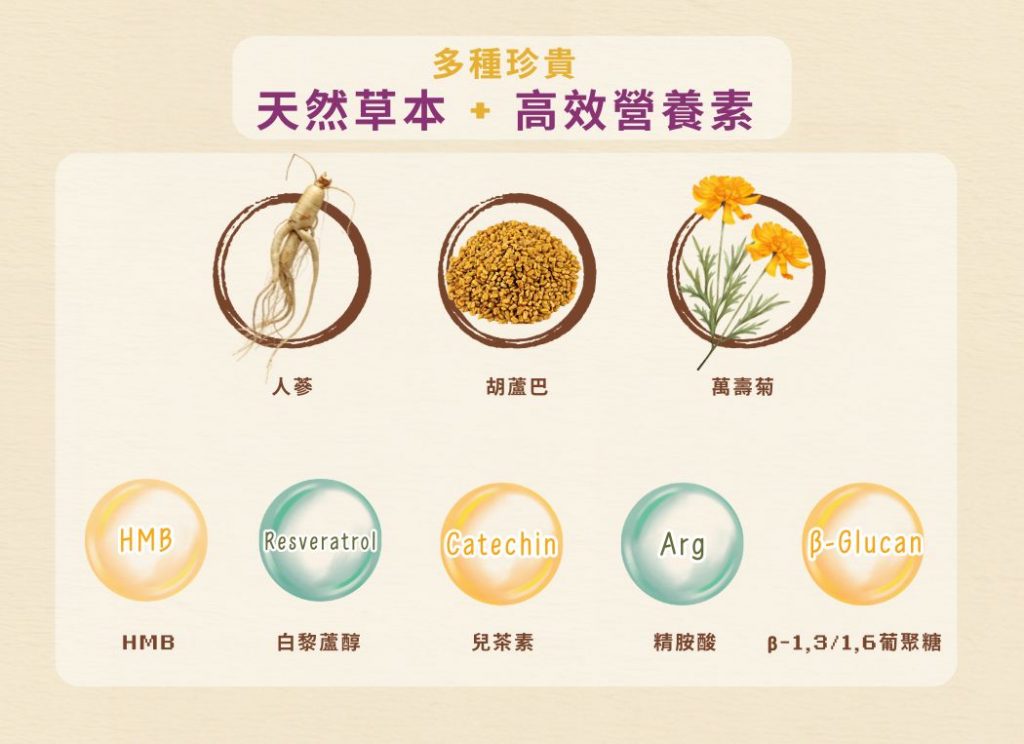
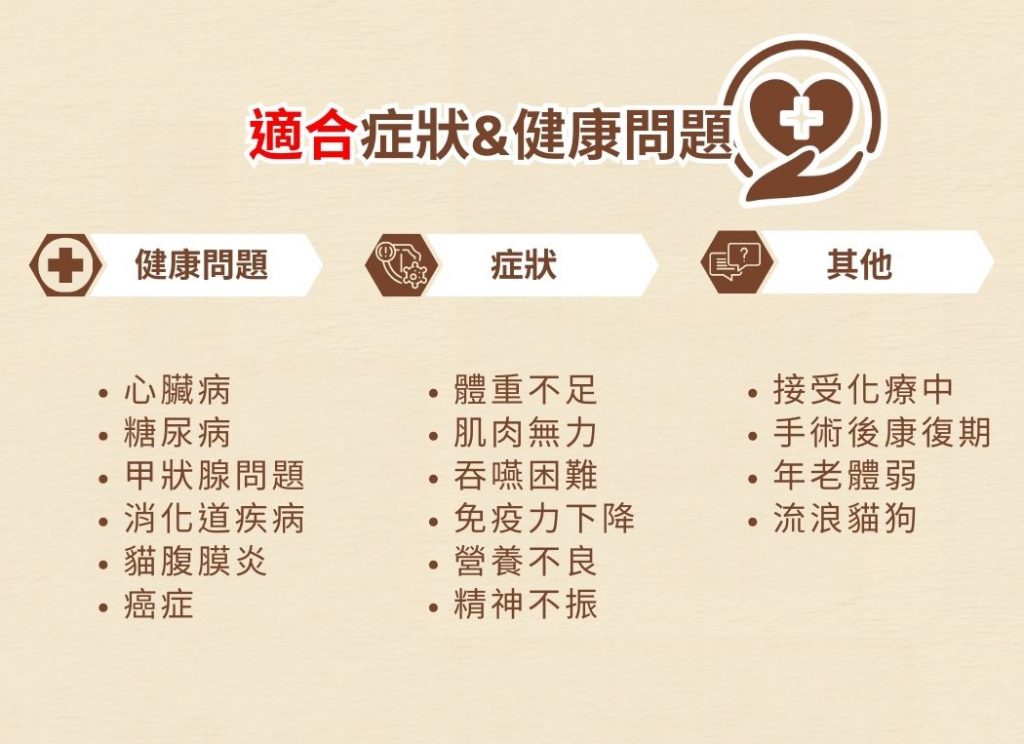
Made with a range of precious natural ingredients such as ginseng, fenugreek and marigold, combined with nutrients such as resveratrol and HMB, it can help cats and dogs suffering from diseases such as peritonitis, kidney disease and gastroenteritis, as well as pets undergoing treatment or in recovery, by providing nutritional support, restoring strength and fighting illness. The many precious ingredients help beloved pets stay well-energised, improve their mental state, boost immunity and ease the discomfort brought on during treatment in an all-round way. This product is especially suitable for pets with serious illnesses, after surgery and during treatment.
Suitable for cats, dogs and small omnivorous animals
Country of Origin:Made in Poland
Description
Main Ingredients and Benefits:
| Ginseng extract | Helps with antioxidation and boosts resistance; helps relieve the fatigue caused by treating chronic illnesses and by chemotherapy in cats and dogs |
| HMB
(β-hydroxy-β-methylbutyrate) |
Commonly used in human nutritional supplements; helps muscle growth and maintains muscle mass, reduces the loss of muscle and strength caused by reduced activity during treatment, and helps pets stay energetic |
| Resveratrol (grape skin extract) | A powerful antioxidant that helps reduce cell damage and improve immunity |
| Fenugreek extract | Has antioxidant, anti-inflammatory and resistance-boosting effects |
| Marigold extract | Rich in antioxidants; helps protect cells from damage and boosts resistance |
| Green tea extract (catechins) | Helps reduce inflammatory responses and inhibit cancer cell activity, improving overall health |
| Yeast extract
(β-1,3/1,6 glucan) |
Can improve immune system function and increase disease resistance, reduce the immunosuppressive side effects caused during chemotherapy in cats and dogs, and lower the chance of contracting other diseases |



What to do if your pet develops cat or dog cancer?
A pet developing a serious illness does not mean the end of its life. Life is unpredictable, and even a pet in its prime may suddenly fall ill. Illness in pets is hard to avoid, and it is all the more disheartening when they develop hard-to-cure serious conditions, including cat cancer, dog cancer and chronic diseases. Although the cure rate for these diseases is relatively low, and chemotherapy for cats and dogs is time-consuming and demanding, as long as the owner provides proper care, a beloved pet can still enjoy a relatively comfortable life.
Cats and dogs of any age can develop serious illnesses – chronic diseases that are difficult to cure, or even cat cancer or dog cancer. These diseases are hard to cure, and during treatment – for example, when undergoing feline chemotherapy – they may also cause a number of health problems for the cat:
1. Malnutrition:
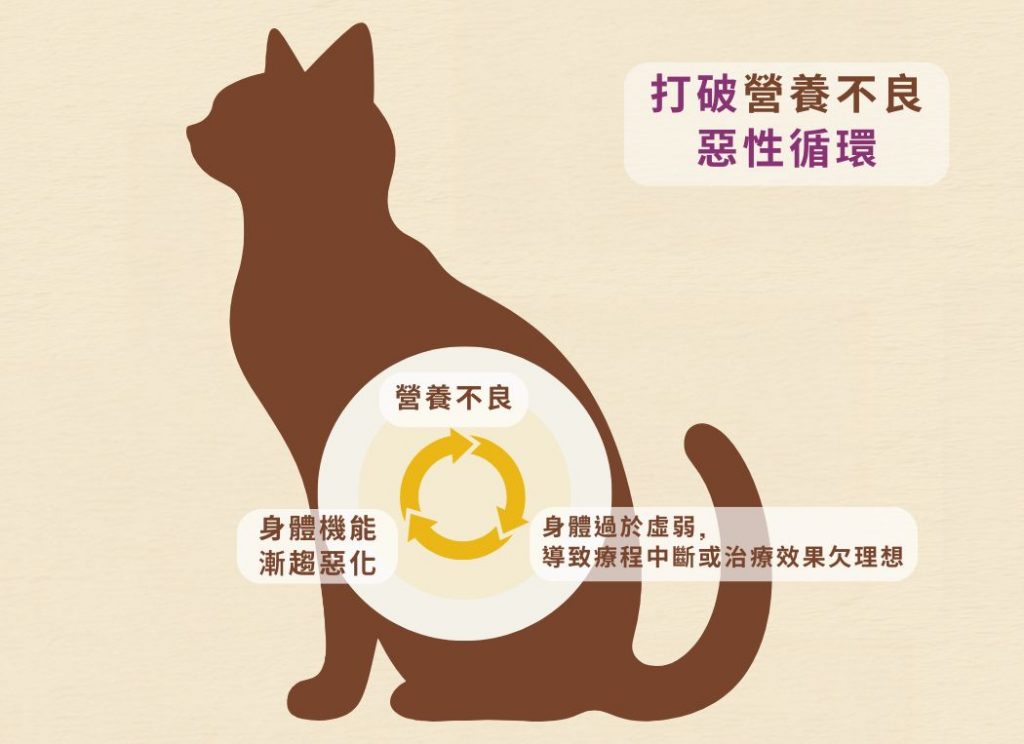
Many pets with serious illnesses, especially those with cat cancer and dog cancer, develop symptoms of cachexia, leading to malnutrition. Cachexia refers to abnormalities in hormones and metabolism after a pet develops a disease such as dog cancer, causing malnutrition, reduced activity, weight loss and a haggard appearance. Once a pet becomes malnourished due to cat cancer, its health deteriorates, further affecting the effectiveness of feline chemotherapy.
2. Physical Weakness:
If a pet has cat cancer, dog cancer or another chronic disease, pain and discomfort may reduce its appetite. Reduced food intake, together with the toll of the disease, leads to weakened strength, low spirits and relatively poor activity levels, which is unfavourable for canine chemotherapy or treatment and makes the road to recovery longer.
3. Reduced Resistance:
Some serious illnesses, especially cat cancer or dog cancer, affect a pet’s resistance, giving it a higher chance of contracting other diseases and creating a vicious cycle that traps the pet in the grip of illness, leaving canine chemotherapy or recovery a distant prospect.
4. Digestive Problems:
Pets with chronic diseases or cancer that are undergoing feline or canine chemotherapy have weaker digestive function and are prone to vomiting, diarrhoea or intestinal problems, so extra attention needs to be paid to the health of the digestive system.
How to improve the quality of life during chemotherapy for cats and dogs?
Although serious illnesses such as dog cancer and cat cancer are difficult to cure, following the chemotherapy and treatment plan set by the vet, together with the owner’s attentive care, may help extend a pet’s lifespan. Owners can take the following measures to help pets with cat or dog cancer improve their quality of life, help them get through the chemotherapy process for cats and dogs, and enjoy a longer life.
1. Dietary Control:
After developing cat cancer, digestive ability is generally weaker. Owners can provide their pets with food that is easy to eat and digest, helping pets undergoing feline chemotherapy to take in enough nutrition.
2. Nutritional Supplementation:
Pets with serious illnesses and dog cancer have special nutritional needs. Compared with healthy pets, those with dog or cat cancer may need to take in more calories to maintain sufficient strength. Therefore, in addition to a normal diet, owners can also provide pets with extra nutritional supplements to help pets undergoing chemotherapy for cats and dogs restore their strength and fight the disease.
3. Improving the Living Environment:
Pets with chronic diseases such as cat cancer or dog cancer suffer added misery in daily life because of the discomfort and pain the disease brings. Providing pets with a comfortable living environment – for example, adding soft cushions for the pet to rest on and adding steps to help the pet move around – helps improve the comfort of the living environment, helps pets complete chemotherapy for cats and dogs, and improves their quality of life.
Cosset helps pets regain their health after chemotherapy and surgery for cats and dogs
After cat and dog cancer, break the vicious cycle of malnutrition and set out on the road to recovery. Birth, ageing, illness and death are inevitable stages of life, and discomfort caused by cat cancer, other diseases or old age all cause a beloved pet to suffer. If a sick pet needs to undergo chemotherapy or even surgery for cats and dogs, the road to recovery may be all the more challenging. If a pet develops a disease requiring surgical treatment – for example, having a tumour removed due to cat cancer or dog cancer – it will not only have to endure the pain of surgery but may also, because of physical weakness and malnutrition, have its treatment effectiveness compromised, making recovery difficult and falling into a vicious cycle. Therefore, improving problems such as nutritional imbalance caused by canine chemotherapy is key to helping pets recover more quickly.
Cosset’s ‘HMB & Resveratrol Intensive Care Formula’ contains ingredients such as HMB, ginseng, fenugreek and marigold, which can help pets with cat or dog cancer maintain a good appetite and spirits, avoid nutritional imbalance, and enable pets to maintain muscle mass and strength during chemotherapy or treatment for cats and dogs. The product not only helps reduce cases where physical weakness leads to poor chemotherapy or treatment outcomes in cats and dogs, but also improves resistance and lowers the chance of disease recurrence. It is suitable both for pets undergoing rehabilitation after surgery and for those experiencing nutritional imbalance or insufficient strength caused by diseases such as cat cancer and dog cancer.
About the Treatment and Management of Dog and Cat Cancer – FAQ:
If a pet develops cat cancer or dog cancer, undergoing chemotherapy for cats or dogs is a common treatment method nowadays. However, because chemotherapy for dogs and cats kills cancer cells with chemical drugs, the process may cause a number of side effects that make the pet suffer greatly. After canine chemotherapy, the more common side effects include reduced appetite, vomiting and diarrhoea. Owners can use the following methods to help relieve the discomfort caused by chemotherapy in dogs and cats.
- Dietary Management:
When pets undergo chemotherapy for cats and dogs, they commonly experience poor appetite or a preference for certain foods. If a dog or cat eats less or is picky, this leads to insufficient nutrition and may even affect the treatment outcome. Therefore, if a pet is undergoing feline or canine chemotherapy, the owner should provide high-quality, easily digestible food to reduce the burden on the digestive system. In addition, during feline chemotherapy, the owner also needs to provide the pet with high-protein, nutritionally complete supplements. This ensures that pets undergoing canine chemotherapy absorb enough nutrition and maintain resistance and sufficient strength, so that they have enough energy to complete the canine chemotherapy course and keep fighting the disease.
- Appropriate Exercise:
Pets with cat cancer generally have low spirits and tire easily because of the pain and discomfort the disease brings. Although feline chemotherapy causes a great deal of fatigue, sick pets still very much need exercise. After feline or canine chemotherapy, a pet’s strength declines, but it can still do some light activities, such as short walks and low-intensity games, to maintain sufficient muscle strength. Feline and canine chemotherapy reduce a pet’s activity level, but a moderate amount of exercise is very important for maintaining overall health and offers some help in relieving the discomfort caused by canine and feline chemotherapy.
- Psychological Support:
When a pet develops dog cancer, besides physical health support, its mental health also needs attention. Because canine chemotherapy may produce side effects of varying degrees, the pet may develop negative emotions such as unease and anxiety. The owner’s caresses and gentle physical contact help pets with dog cancer release stress and reduce anxiety, easing the discomfort caused by canine or feline chemotherapy. Even if one cannot personally feel the pain of cat cancer, the owner’s love is surely enough to give the pet the courage to fight the disease. This not only helps reduce the adverse reactions caused by feline chemotherapy, but also plays a positive role in overcoming cat and dog cancer.
After undergoing feline or canine chemotherapy, pets feel physically and mentally exhausted. Returning to a comfortable, warm home and letting the pet rest well helps reduce the discomfort caused by feline chemotherapy. Therefore, providing cats and dogs with a clean, quiet and comfortable resting environment – for example, a soft mattress for the pet to rest on and avoiding making noise – is definitely helpful in easing the side effects caused by chemotherapy in cats and dogs.
Feline and canine chemotherapy are common ways to treat cat and dog cancer nowadays. However, because chemotherapy for dogs and cats produces many side effects that make pets suffer, it makes pets that are already fighting the disease even more uncomfortable. Therefore, to avoid the side effects of chemotherapy for dogs and cats, some owners also choose different therapies to treat cat cancer or even dog cancer.
- Surgery: If a beloved pet is found to have cat or dog cancer at an early stage, surgery may be a better treatment method than feline chemotherapy. Because in the early stages of cat cancer and dog cancer the cancer cells have not yet spread, removing the tumour directly by surgery gives a greater chance of completely curing cat or dog cancer. However, after surgery, the pet may need to go through a relatively long recovery process and also requires regular health checks to reduce the possibility of cat cancer or dog cancer recurring.
- Radiotherapy: This is a method that uses high-energy radiation to kill dog cancer cells and prevent cancer cells from continuing to grow, and is generally suitable for treating cat and dog cancer that has not yet begun to spread. Because anaesthesia is required before treatment begins, choosing this method to treat dog or cat cancer places certain requirements on the pet’s state of health. If a pet is not suitable for anaesthesia, this method cannot be used to treat cat cancer or dog cancer.
- Immunotherapy: By stimulating and boosting a pet’s internal resistance, it increases recognition of cat cancer cells, allowing the pet to use its own immune mechanisms to clear the cells that cause cat and dog cancer. This therapy can be carried out together with other therapies for treating cat or dog cancer, including chemotherapy for dogs and cats, helping to increase the chance of a cure.
Whether using traditional chemotherapy for dogs or cats or other treatment methods, the decision must be based on the pet’s physical condition. Pets with cat cancer or dog cancer generally have poorer strength and insufficient resistance, and the therapies mentioned above and traditional chemotherapy for cats and dogs place high demands on a pet’s immunity. Therefore, while carrying out cat cancer treatment, owners must not overlook the importance of nutritional supplementation. Providing cats with nutritious food and appropriate nutritional supplements is the key to helping pets overcome cat cancer and set out on the road to recovery.
Related products
-

-
Sale!
- Cat Treat, Chicken Cat Treats, Chicken dog snacks, Digestive Health Products, Dog Treat, DogCatStar WangMiao Planet Cat Treats, DogCatStar WangMiao Planet Dog Treats, Eye Care / Tear Stain Health Products, Immune System Support, Meat Cat Treats, Meat Puree / Mousse Cat Treats, Meat Puree / Mousse Dog Treats, Meat-like dog snacks, Nutritional Supplements, Pet Drinks / Milk Powder / Nutritional Supplements, Pet Health Care Products, Respiratory health products, Skin / Coat Care Health Products
WangMiao Planet Joint Health Pure Meat Puree Chicken Flavour (for dogs and cats) (single 6g stick or box of 6g x20)
- Price range: $10 through $160
- Select options This product has multiple variants. The options may be chosen on the product page
-
Sale!
-
-
Sale!
- Anti-flea / Flea-killing / Deworming Products, Internal parasite prevention / deworming, Pet Health Care Products
Drontal® Cat Dewormer for Cats (1 tablet)
- Price range: $35 through $200
- Select options This product has multiple variants. The options may be chosen on the product page
-
Sale!
-
-
Sale!
- Cat Treat, Chicken Cat Treats, Chicken dog snacks, Digestive Health Products, Dog Treat, DogCatStar WangMiao Planet Cat Treats, DogCatStar WangMiao Planet Dog Treats, Eye Care / Tear Stain Health Products, Immune System Support, Meat Cat Treats, Meat Puree / Mousse Cat Treats, Meat Puree / Mousse Dog Treats, Meat-like dog snacks, Nutritional Supplements, Pet Drinks / Milk Powder / Nutritional Supplements, Pet Health Care Products, Respiratory health products, Skin / Coat Care Health Products
WangMiao Planet Immune Health Pure Meat Puree Chicken Flavour (For Dogs and Cats) (Single 6g Stick or Box of 6g x20)
- Price range: $10 through $160
- Select options This product has multiple variants. The options may be chosen on the product page
-
Sale!
-
-
Sale!
- Cat Treat, Chicken Cat Treats, Chicken dog snacks, Digestive Health Products, Dog Treat, DogCatStar WangMiao Planet Cat Treats, DogCatStar WangMiao Planet Dog Treats, Eye Care / Tear Stain Health Products, Immune System Support, Meat Cat Treats, Meat Puree / Mousse Cat Treats, Meat Puree / Mousse Dog Treats, Meat-like dog snacks, Nutritional Supplements, Pet Drinks / Milk Powder / Nutritional Supplements, Pet Health Care Products, Respiratory health products, Skin / Coat Care Health Products
WangMiao Planet Fish-Oil Health Pure Meat Puree Chicken Flavour (for dogs and cats) (single 6g stick or box of 6g x20)
- Price range: $10 through $160
- Select options This product has multiple variants. The options may be chosen on the product page
-
Sale!