This article is suitable for cat owners whose cats have irregular bowel movements, dry and hard bowel movements, or who want to prevent constipation.
Key Highlights (TL; DR)
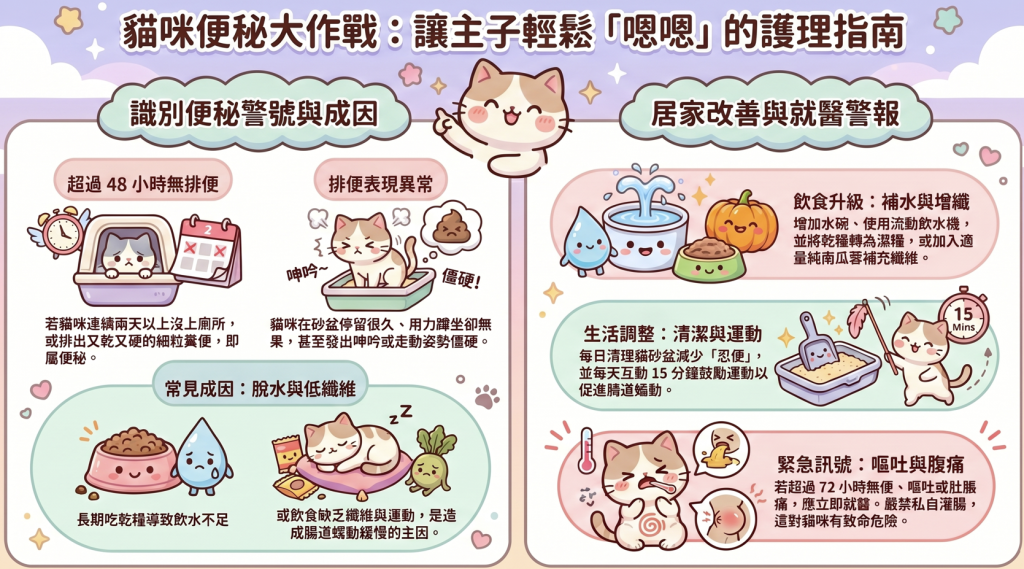
- Definition: If a cat has not defecated for more than 48 hours or has passed dry, hard, fine feces, it is considered constipation.
- Common causes: insufficient water intake, insufficient fiber, obesity with little exercise, stress, as well as kidney disease, diabetes, hyperthyroidism, and other conditions.
- Dietary improvement: Increase water intake, switch to or add wet foods, and appropriately supplement with fiber (such as pure pumpkin puree).
- Lifestyle improvement: Keep the litter box clean, encourage exercise, control weight, and reduce stress.
- Warning signs: No bowel movements, vomiting, abdominal bloating and pain, loss of appetite, and severe mental distress for more than 48–72 hours—seek medical attention immediately.
What is cat constipation?
Feline constipation refers to a cat defecating less frequently, difficulty defecating, or passing dry and hard feces. Healthy cats generally have one bowel movement per day; If you notice your cat hasn’t defecated for more than 48 hours, or is straining hard in the litter box but only gets a few small, hard droppings, you can basically treat it as constipation.
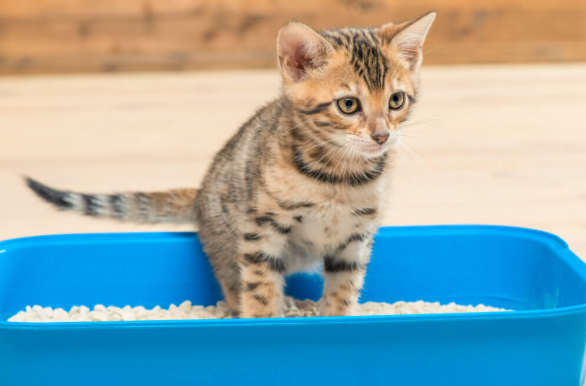
Mild constipation can mostly be improved by dietary adjustments such as hydration, wet foods, and fiber; However, if the condition persists or recurs, there may be underlying issues such as dehydration, intestinal obstruction, or even kidney disease, which require veterinary diagnosis. Long-term severe constipation may develop into megacolon, which is much more difficult to treat, so early intervention is crucial.
What are the symptoms of constipation in cats?
Pay attention to the following signals; the more they appear, the more deserving of attention:
- They repeatedly strain hard in the litter box, squat for a long time but still can’t relieve themselves, and even bark or moan
- The stool is dry, hard, fine, or streaks of blood
- The frequency of bowel movements noticeably decreases, with almost no bowel movements within 24 hours
- Stiffness when walking, a hard belly, or pain when lifted
- Defecate outside the litter box
- Loss of appetite, decreased mental state, and in severe cases, vomiting
Note: When a cat strains in the litter box, sometimes it actually means they can’t urinate (urethral obstruction) instead of constipation. Urethral obstruction is an emergency, especially for male cats, as it can be life-threatening within a few hours. If you can’t tell the difference, please seek medical attention immediately.
The 5 main causes of constipation in cats
- Insufficient water intake and dehydration: Cats naturally drink very little water, and long-term feeding of only dry food can easily make their stool dry and hard.
- Insufficient fiber intake: A diet lacking adequate fiber can affect intestinal peristalsis.
- Obesity and lack of exercise: Overweight and a sedentary lifestyle slow down intestinal activity.
- Stress and environmental changes: Moving, adding more members to the house, or an unclean litter box can all make cats ‘hold their toilet.’
- Underlying diseases: kidney disease, diabetes, hyperthyroidism, intestinal obstruction, or neurological issues, all of which can cause constipation and require veterinary examination.
Dietary improvement methods
For mild constipation, dietary adjustments are the most direct and effective step.
1. Increase water intake
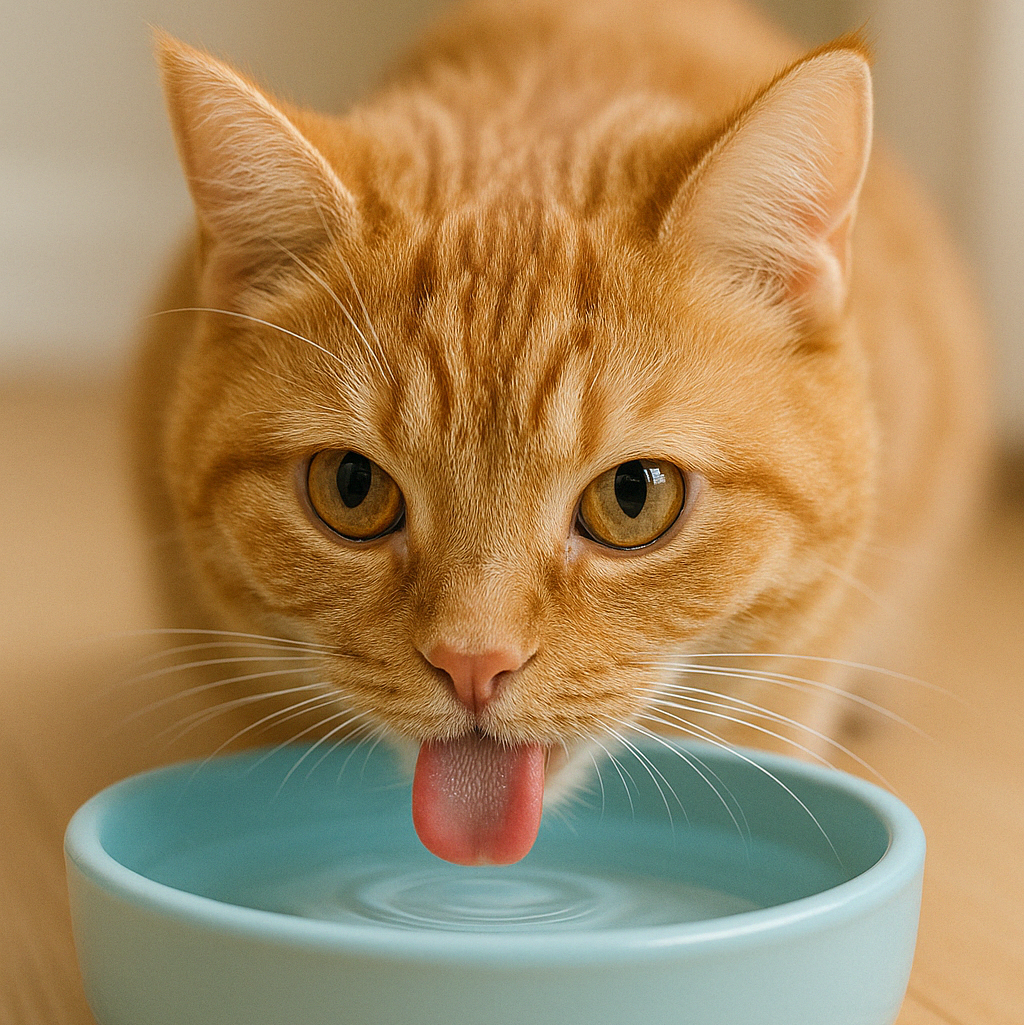
Increasing your cat’s water intake is the most important step in preventing and improving constipation. You can place several water bowls in different corners of the home, or use a portable pet water dispenser—running water is more likely to encourage cats to drink more proactively.
2. Repurpose or add wet grains
Wet food (canned food/meal packs) contains over 70% water, which can greatly increase your cat’s overall water intake and significantly reduce the risk of constipation. If your cat has always eaten only dry food, you can consider gradually mixing in wet food or switching to a mixed wet diet.
3. Supplement fiber in moderation
An appropriate amount of fiber helps improve intestinal peristalsis. A common natural choice is pure pumpkin puree (with no added sugar or flavorings), which can be mixed into cat food starting from about half a teaspoon per meal. There are also high-fiber formulas and probiotic supplements specifically designed for gut health on the market. Before adding any supplements, it’s best to consult a veterinarian to avoid overdosing and causing diarrhea.
Methods for improving life
Keep the litter box clean
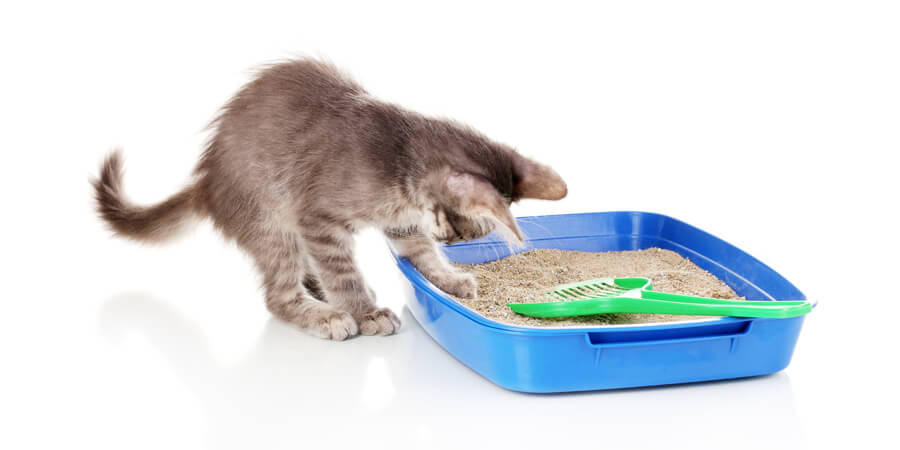
Cats love cleanliness, and a dirty litter box will make them hold back from going to the bathroom. It is recommended to clean daily, and according to the “Number of Cats + 1” principle, prepare enough litter boxes and place them in quiet, easily accessible locations.
Encourage exercise and weight control
Spending 10–15 minutes daily with a cat teaser or toy interaction with your cat can promote intestinal movement and help maintain a healthy weight. Obesity is one of the common triggers for constipation, and controlling weight is crucial for long-term gut health.
Reduce stress
Changes in environment can make cats nervous and affect their bowel movements. Try to maintain a stable routine, provide hiding spaces, scratching boards, and elevated rest areas. If necessary, consider using pheromone products to help calm emotions.
Brush regularly
Reduce the amount of hair your cat licks into and use hair-removing products.
When should I see a veterinarian?
Home improvements are only suitable for mild, occasional constipation. If any of the following occur, contact your veterinarian immediately:
- Cats have not defecated for more than 48 to 72 hours
- They repeatedly tried hard but couldn’t relieve themselves at all, or made noises in the litter box
- Vomiting occurs—this is an important warning sign of worsening constipation
- Bloating, pain when lifted
- Extremely lethargic, stopped eating
Remember: Never give your cat an enema yourself. Enemas used by humans are toxic to cats and can be fatal; enemas must be performed by a veterinarian. The veterinarian will assess the degree of dehydration and, if necessary, supplement fluids, clear feces, or prescribe medications to promote intestinal peristalsis. This article is for reference only and cannot replace a professional veterinary diagnosis.
How can you prevent constipation in cats?
Prevention is better than cure. By following these points in daily life, you can greatly reduce the chances of constipation: adequate hydration, adequate wet food, sufficient fiber, regular exercise, clean litter box, and regular check-ups to detect potential issues like kidney disease early. Observing and recording your cat’s defecation frequency can also help you spot any abnormalities right away.
Frequently Asked Questions (FAQ).
How many days does a cat go without poop before it is considered constipated?
Healthy cats usually have one bowel movement per day. If a cat has not defecated for more than 48 hours, or has passed small, dry, and hard stool, it should be treated as constipation. If there is no bowel movement within 48 to 72 hours, contact the veterinarian as soon as possible.
Can you feed pumpkin to help cats with bowel movements?
Yes, you can. All-natural, additive-free cooked pumpkin puree is a common natural fiber source that helps improve intestinal peristalsis. Start by mixing about half a teaspoon per meal into cat food. However, if your cat is vomiting or completely unable to defecate, you should seek veterinary care first rather than managing it yourself.
Can I give my cat an enema myself?
Absolutely not. Enemas used by humans are toxic to cats and can be fatal. Enemas must be performed by a veterinarian. Home care is only suitable for gentle improvements such as hydration, wet food, and increased exercise. Severe constipation must be treated by a veterinarian.
How do cats with constipation and urinary tract obstruction be distinguished?
Both types of cats will be seen squeezing and meowing vigorously in the litter box. However, urinary tract obstruction (especially in male cats) is an emergency. Cats may be unable to urinate, keep licking their genitals, and suffer extreme pain, which can be fatal within hours. If you can’t tell whether your cat can’t relieve itself or pee, you should seek veterinary care immediately.
Summary: Early adjustments help your cat have smoother bowel movements
How to deal with constipation in cats? Start by improving diet (hydration, wet food, fiber) and lifestyle (clean litter box, exercise, stress relief); If you notice warning signs such as no bowel movements, vomiting, or stomach pain lasting more than 48 hours, seek medical attention immediately. Taking proper preventive measures daily is the best way to care for your cat.
Want to prepare suitable wet food, high-fiber cat food, probiotics, and a pet water dispenser for your cat? BC Pets Pets Centre offers in-store, online, and phone ordering services, selling only authentic Hong Kong products. Free delivery across Hong Kong for orders over HK$350, one-stop care for your pet’s gut health. Shop → now